Grief Tech Applications: How AI and Digital Tools Are Transforming Bereavement
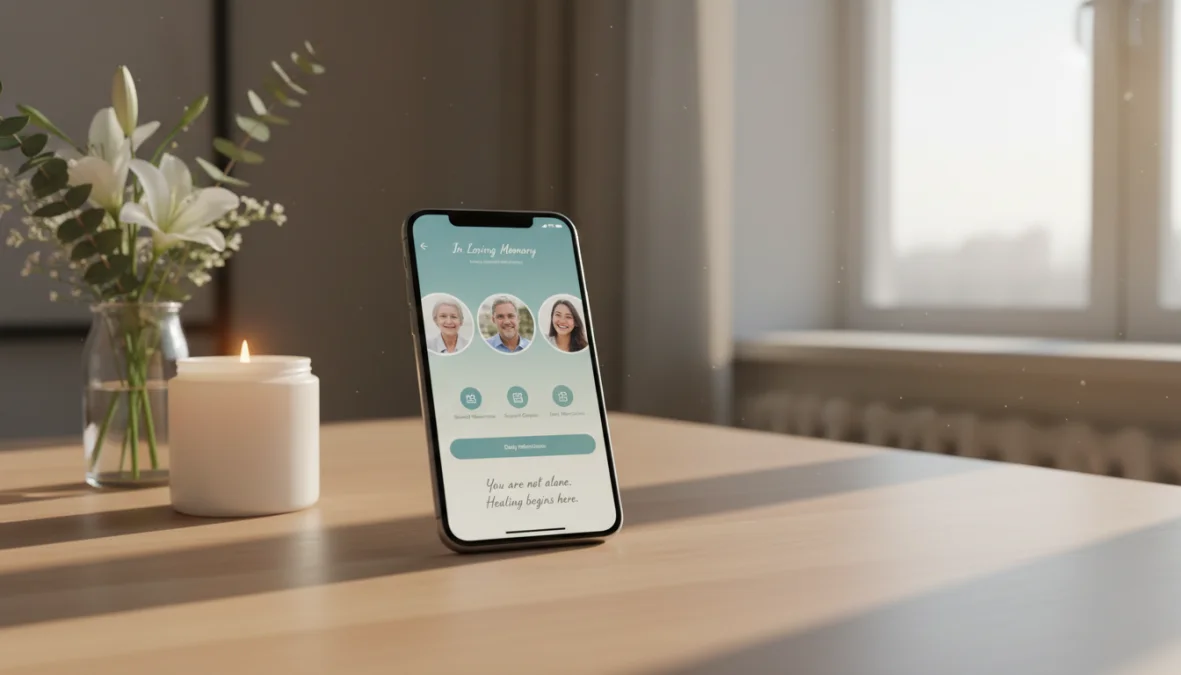
When my friend lost her mother last year, she downloaded an app that helped her journal through her grief, connected her with others experiencing similar loss, and even used AI to guide her through meditation exercises tailored to bereavement. A decade ago, this would’ve sounded like science fiction. Today, it’s part of a rapidly growing field called grief tech applications—a convergence of technology and emotional healing that’s fundamentally changing how we process loss and remember those we’ve loved.
The death tech sector has exploded in recent years, accelerated by the pandemic’s devastating toll and our increasingly digital lives. We plan weddings online, celebrate birthdays via Zoom, and now we’re learning to mourn through screens too. While it might sound cold at first, these innovations are offering profound support to millions navigating one of life’s most difficult experiences.
What Is Grief Tech and Why It Matters
Grief tech applications encompass a broad spectrum of digital tools designed to support people through bereavement—from AI-powered therapy apps to virtual memorial platforms where communities gather to remember loved ones. This isn’t just about moving grief online; it’s about leveraging technology to provide accessible, personalized support during a time when traditional resources often fall short.
The bereavement technology market has grown significantly, with investments in death tech innovation reaching unprecedented levels. According to industry reports, the digital mental health market alone is projected to exceed billions in value, with grief support representing a substantial segment. This growth isn’t happening in a vacuum—it reflects genuine need. Traditional grief counseling can be expensive, geographically limited, and carries stigma for many people. Digital tools break down these barriers, offering support that’s available 24/7, often at lower cost, and accessible from anywhere.
The pandemic served as a catalyst, forcing us to reimagine end-of-life rituals when in-person gatherings became impossible. Families streamed funerals, created online memorials, and sought digital mourning tools to process loss when physical comfort wasn’t available. What started as necessity has evolved into a sophisticated ecosystem of grief support technologies that continue to develop even as the world reopens.
Types of Grief Tech Applications Helping People Cope
Understanding how AI helps people cope with grief requires looking at the diverse landscape of available tools. The best apps for processing loss and bereavement fall into several distinct categories, each addressing different aspects of the grieving process.
AI Chatbots and Virtual Companions
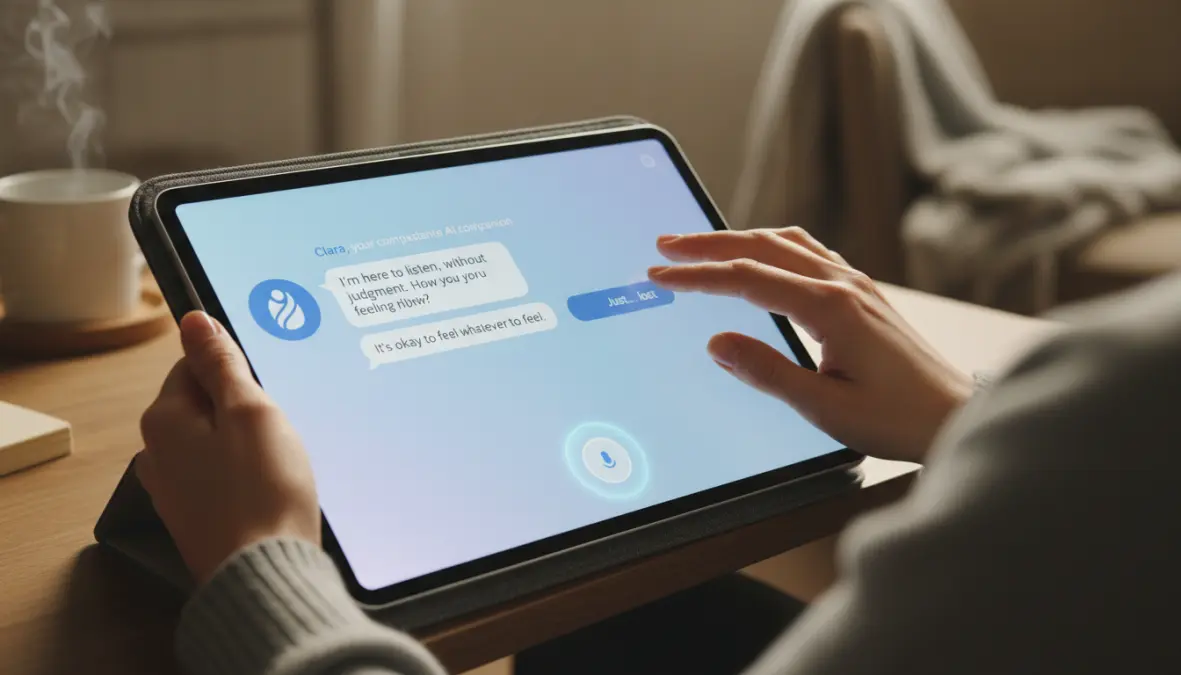
Perhaps the most controversial yet fascinating category involves AI chatbots for grief that either simulate conversations with deceased loved ones or provide empathetic companion support. Companies have developed technology that can analyze a person’s digital footprint—texts, emails, social media posts—and create conversational AI that mimics their communication style.
Projects like Replika started as one developer’s attempt to recreate conversations with a deceased friend, and it’s since evolved into a broader AI companion service used by millions. Other platforms specifically market themselves as ways to “preserve” loved ones, creating digital legacy chatbots that family members can interact with after someone passes. These tools represent some of the most advanced AI grief support available, though they raise significant ethical questions we’ll explore later.
For those seeking AI therapy for grief and loss, companion chatbots like Woebot and Wysa offer evidence-based therapeutic conversations without simulating deceased individuals. They guide users through cognitive behavioral techniques, provide coping mechanisms, and offer a judgment-free space to express difficult emotions. Many users report that the anonymity and availability of these tools help them open up in ways they struggle to do with human therapists.
Digital Memorial Platforms and Grief Therapy Apps
Beyond AI companions, grief therapy apps like Grief Works, What’s Your Grief, and Refuge in Grief offer structured programs developed by psychologists specializing in bereavement. These digital tools for grieving loved ones typically include educational content about the grief process, journaling prompts, mood tracking, and guided exercises for emotional healing.
Virtual memorial platforms serve a different but equally important function. Services like ForeverMissed, Kudoboard, and GatheringUs create online spaces where communities can share memories, photos, and messages about someone who’s passed. Some platforms integrate virtual reality grief counseling applications, allowing people to visit recreated meaningful locations or participate in immersive memorial experiences. During the pandemic, these platforms became essential for families separated by distance or restrictions, and many continue using them as permanent digital memorials that friends and family can revisit anytime.
These applications also support end-of-life planning, helping individuals prepare digital legacies, organize important documents, and communicate final wishes—making the practical aspects of death less burdensome for grieving families.

The Benefits and Ethical Concerns of Digital Mourning Tools
The advantages of bereavement technology are substantial and shouldn’t be dismissed. Accessibility stands out as perhaps the most significant benefit—these digital mourning tools reach people in rural areas without local therapists, individuals who can’t afford traditional bereavement counseling, and those whose work schedules make regular appointments impossible. The 24/7 availability means support exists during those 3 AM moments when grief hits hardest.
Personalization is another strength. AI-powered platforms can adapt to individual needs, cultural backgrounds, and specific circumstances of loss in ways that standardized support groups cannot. They reduce stigma by offering private, confidential spaces where people feel safer expressing complicated emotions. For many, especially younger digital natives, technology changing how we mourn feels natural rather than alien.
However, legitimate ethical concerns demand attention. Mental health professionals worry about dependency—people forming unhealthy attachments to AI simulations of deceased loved ones rather than processing their loss. There’s danger in technology that might interfere with natural grief progression, keeping people stuck in denial rather than moving toward acceptance.
Privacy issues loom large. What happens to the deeply personal data shared with these platforms? Who owns the digital recreation of your deceased parent? As we’ve seen with other emerging technologies like deepfake technology threatening media trust, the potential for misuse of personal data and AI-generated content is very real.
Psychologists also question whether AI can truly provide adequate psychological support for complex grief. While these tools can supplement professional care, they shouldn’t replace human connection and expert therapy for those experiencing complicated grief or trauma. The nuance of human empathy, clinical judgment, and therapeutic relationship remains irreplaceable—at least for now.
FAQ: Common Questions About Grief Tech
Are grief tech apps effective?
Research suggests that grief therapy apps can be effective for mild to moderate grief, particularly when used alongside other support systems. Studies show users report reduced symptoms of depression and anxiety, improved coping skills, and feeling less isolated. However, they work best as supplements to, not replacements for, professional therapy in cases of complicated grief or clinical depression.
Can AI chatbots replace traditional therapy?
No, AI chatbots for grief cannot fully replace licensed therapists. While they provide valuable support, especially for accessibility and immediate comfort, they lack the clinical expertise to diagnose conditions, recognize crisis situations, or provide the depth of human connection essential for healing. They’re best viewed as complementary tools that can make professional support more effective and accessible.
Is it healthy to use AI to communicate with deceased loved ones?
This remains debated among mental health professionals. Some argue it can provide comfort during acute grief phases, while others worry it may prevent healthy acceptance of loss. The consensus suggests it depends on duration and context—brief use might be comforting, but long-term dependency could indicate complicated grief requiring professional intervention. Individual responses vary significantly.
What are the best grief tech applications available?
Top-rated options include Grief Works for structured therapy, What’s Your Grief for education and community, Replika for AI companionship, and platforms like GatheringUs for virtual memorial services. The “best” choice depends on individual needs—some prefer therapeutic guidance, others want community connection, and some seek tools for digital legacy preservation. Many people benefit from combining multiple approaches tailored to their unique grief journey.
As we navigate this intersection of loss and innovation, grief tech applications will continue evolving, raising new questions while offering genuine solace to millions. Just as we’re exploring science-backed ways to optimize physical health, we’re now applying technology to emotional wellbeing in unprecedented ways. The key lies in approaching these tools thoughtfully—embracing their benefits while remaining mindful of their limitations and the irreplaceable value of human connection in our darkest moments.