Neurofeedback Training: How Brain Wave Monitoring Improves Mental Performance
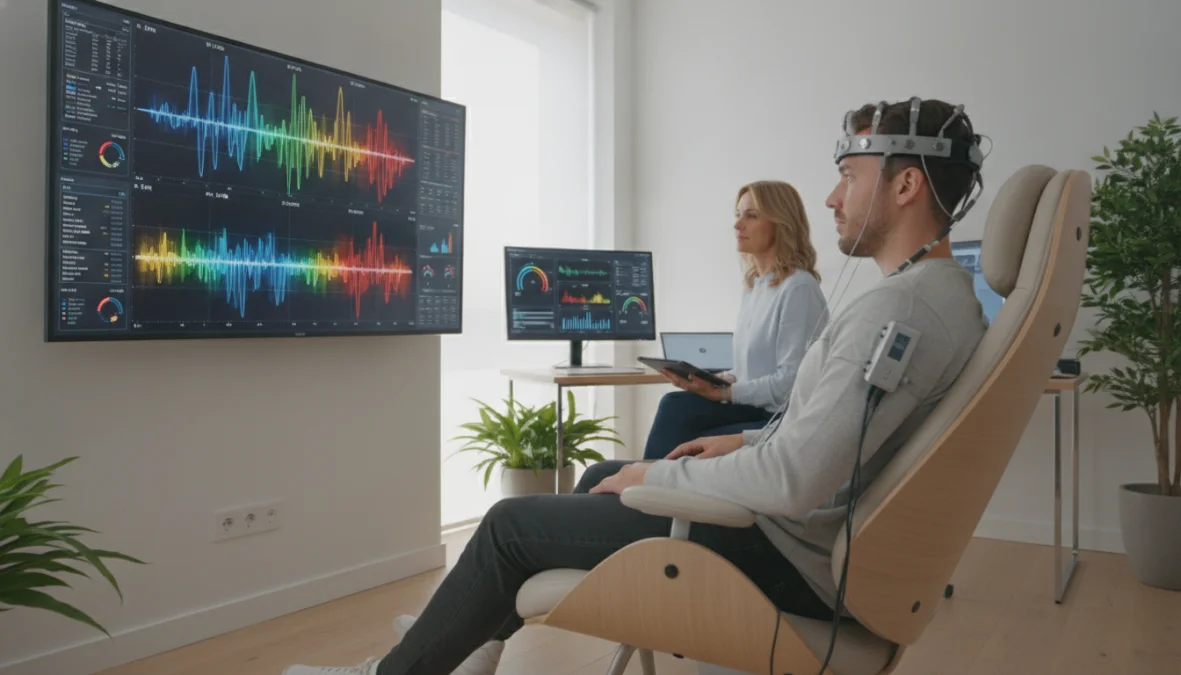
Ever wondered if you could literally watch your brain in action and train it to perform better? That’s exactly what neurofeedback training offers—a cutting-edge approach that uses brain wave monitoring to help you optimize mental performance, reduce anxiety, and even enhance cognitive abilities. Unlike traditional therapy that relies solely on talking through problems, neurofeedback gives you real-time insight into your brain’s electrical activity, allowing you to consciously influence your mental state. It sounds like science fiction, but this evidence-based technique has been helping people improve focus, manage stress, and unlock their cognitive potential for decades.
What Is Neurofeedback Training and How Does It Work?
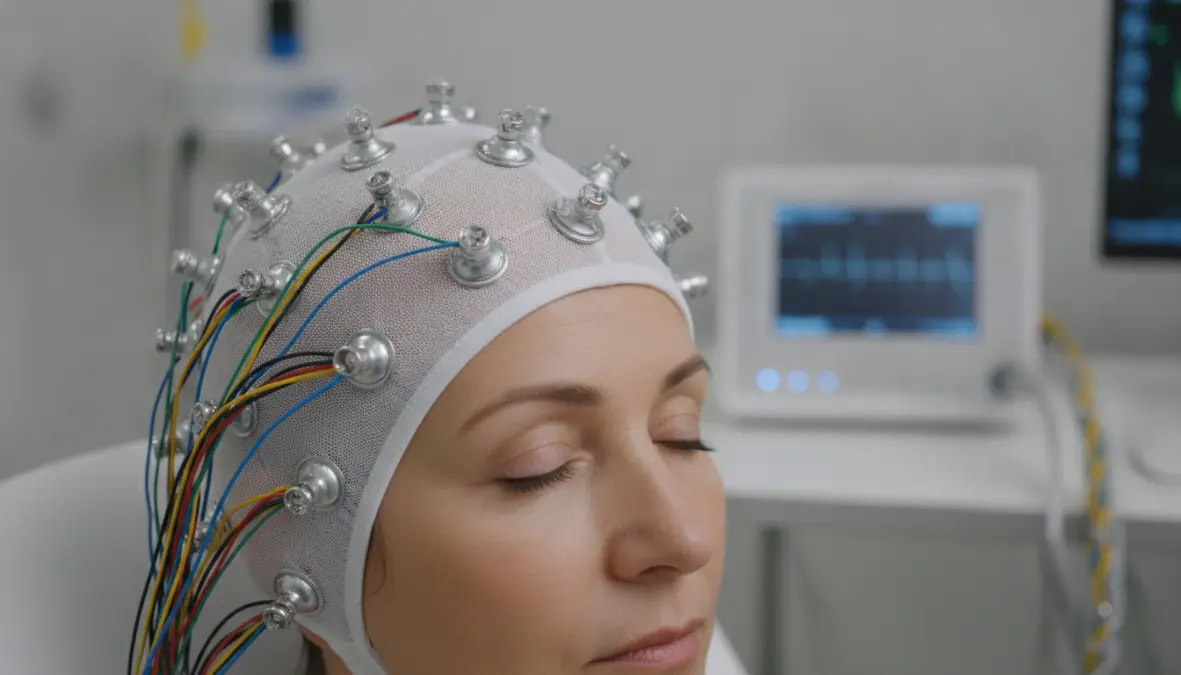
Neurofeedback training, also known as EEG biofeedback or neurotherapy, is a type of biofeedback that teaches self-regulation of brain function through real-time monitoring of brain wave activity. The process relies on electroencephalography (EEG), which measures electrical patterns in your brain using sensors placed on your scalp. These patterns, or brainwaves, reflect different mental states and activities.
So how does neurofeedback training work? During a typical session, you’ll have sensors attached to specific areas of your head. These sensors detect your brain’s electrical activity and feed this information into specialized software. As you perform certain tasks—like watching a video, playing a game, or listening to music—the software provides instant feedback based on your brainwave patterns. When your brain produces desired patterns, you receive positive reinforcement (the video continues smoothly, the music plays clearly). When undesired patterns emerge, the feedback changes (the screen dims, the sound fades).
Your brain operates using different types of waves, each associated with specific mental states. Beta waves dominate during active thinking and focus. Alpha waves appear during relaxed, calm states. Theta waves emerge during deep meditation, creativity, and light sleep. Delta waves characterize deep sleep, while gamma waves relate to high-level information processing. By monitoring these patterns, practitioners can identify imbalances and help you train your brain toward optimal functioning.
The concept emerged in the 1960s when researcher Joe Kamiya discovered that people could learn to control their alpha waves with proper feedback. Since then, technology has evolved dramatically, with modern systems offering sophisticated analysis and more precise targeting of specific neural pathways. The foundation rests on brain plasticity—your brain’s remarkable ability to reorganize and form new connections throughout life, similar to the principles explored in neuroplasticity exercises.
Benefits of Neurofeedback for Mental Performance and Cognitive Enhancement
The applications of neurofeedback therapy extend far beyond clinical settings, offering substantial benefits for anyone seeking cognitive enhancement and mental performance training. Research has documented improvements across multiple domains, though it’s important to maintain realistic expectations about what this technology can achieve.
For those wondering about neurofeedback for improving focus and concentration, the evidence is particularly promising. Studies have shown that neurofeedback can help individuals strengthen attention networks in the brain, leading to sustained improvements in concentration. This makes it especially valuable for people struggling with distractions in our hyper-connected world—though it probably won’t solve your Netflix binge problem (that’s a whole different challenge related to streaming habits).
Regarding brain wave monitoring for anxiety reduction, neurofeedback has demonstrated effectiveness in helping people learn self-regulation techniques that reduce stress responses. By training individuals to increase alpha waves and regulate beta wave activity, neurofeedback can create lasting changes in how the brain responds to stressful situations. Some practitioners combine this approach with other therapies, including emerging options like psychedelic therapy, for comprehensive mental health support.
The question of neurofeedback training for ADHD adults deserves special attention. Multiple studies have found that neurofeedback can reduce ADHD symptoms by helping individuals strengthen executive function networks. While results vary between individuals, many report improvements in attention span, impulse control, and task completion after consistent training.
Additional benefits include better sleep quality for those with insomnia, enhanced memory consolidation, increased creativity, and improved emotional regulation. However, neurofeedback isn’t a magic bullet. Results depend on consistency, individual brain chemistry, the specific protocol used, and the skill of the practitioner. Most people require 20-40 sessions before seeing substantial changes, and some may not respond as dramatically as others.
Real-World Applications: From Clinical Settings to Peak Performance
The versatility of neurofeedback therapy means it serves vastly different populations with tailored approaches. In clinical settings, neurotherapists use it to address conditions like depression, anxiety disorders, PTSD, and traumatic brain injuries. The protocols differ significantly from those used for performance optimization.
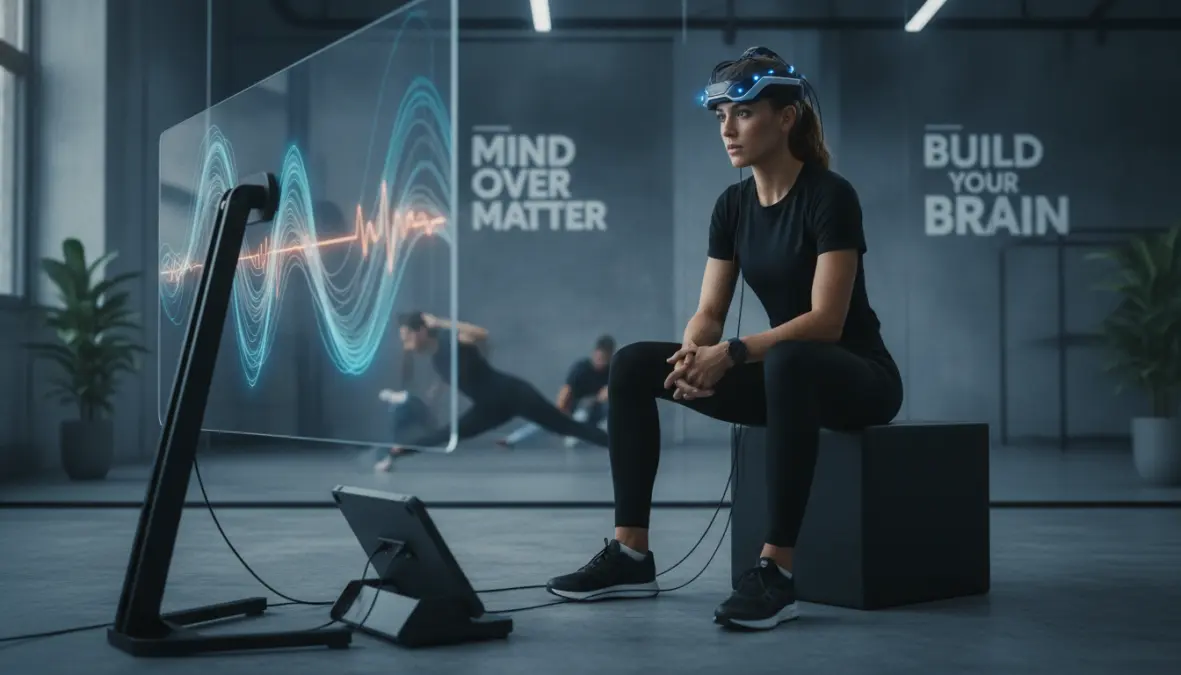
When considering neurofeedback training benefits for athletes, the focus shifts to peak performance enhancement. Professional athletes use brainwave optimization to achieve “flow states” more consistently, improve reaction times, and enhance mental resilience under pressure. Some Olympic training programs have incorporated neurofeedback as part of their performance toolkit.
In corporate environments—particularly relevant given shifts described in discussions about workplace culture changes—executives and professionals use neurofeedback to sharpen decision-making, manage stress, and maintain focus during demanding schedules. Students employ it to improve learning efficiency and test performance.
Getting Started with Neurofeedback: What to Expect and How to Choose
If you’re considering neurofeedback training, understanding what to expect helps set realistic goals. Your first session typically involves an assessment where a practitioner maps your baseline brain activity. This “brain map” or quantitative EEG (qEEG) identifies patterns that might benefit from training. Based on these findings, they’ll create a customized protocol targeting specific areas and frequencies.
How long does neurofeedback training take to work? Most practitioners recommend at least 20 sessions before evaluating effectiveness, with many protocols running 30-40 sessions. Sessions typically last 30-60 minutes and occur 1-3 times weekly. This commitment is substantial—both in time and money, as sessions can range from $75 to $200 each, and insurance coverage varies widely.
When choosing a practitioner, look for certification from organizations like the Biofeedback Certification International Alliance (BCIA). Experience with your specific concern matters more than generic expertise. Ask about their assessment process, the equipment they use, and their typical treatment protocols. A qualified professional should explain their approach clearly and set realistic expectations.
Regarding at home neurofeedback training devices, the market has exploded with consumer options. While more affordable than professional sessions, these systems vary tremendously in quality and effectiveness. Home devices work best for general stress reduction and focus enhancement rather than addressing clinical conditions. They lack the personalized protocols and professional oversight that clinical neurofeedback provides, making them a complement rather than a replacement for professional treatment when dealing with significant issues.
The technology behind neurofeedback continues advancing rapidly, with connections to broader developments in brain-computer interfaces suggesting even more sophisticated applications ahead.
Whether you’re an athlete seeking competitive advantage, someone struggling with focus and anxiety, or simply curious about optimizing your cognitive function, neurofeedback offers a scientifically-grounded approach to brain training. Success requires patience, consistency, and realistic expectations—your brain didn’t develop its current patterns overnight, and reshaping them takes dedicated effort. But for those willing to invest the time and resources, neurofeedback provides a unique window into your brain’s activity and a proven method for creating lasting positive change.