Reishi Mushroom for Sleep: Science-Backed Benefits and Dosage Guide
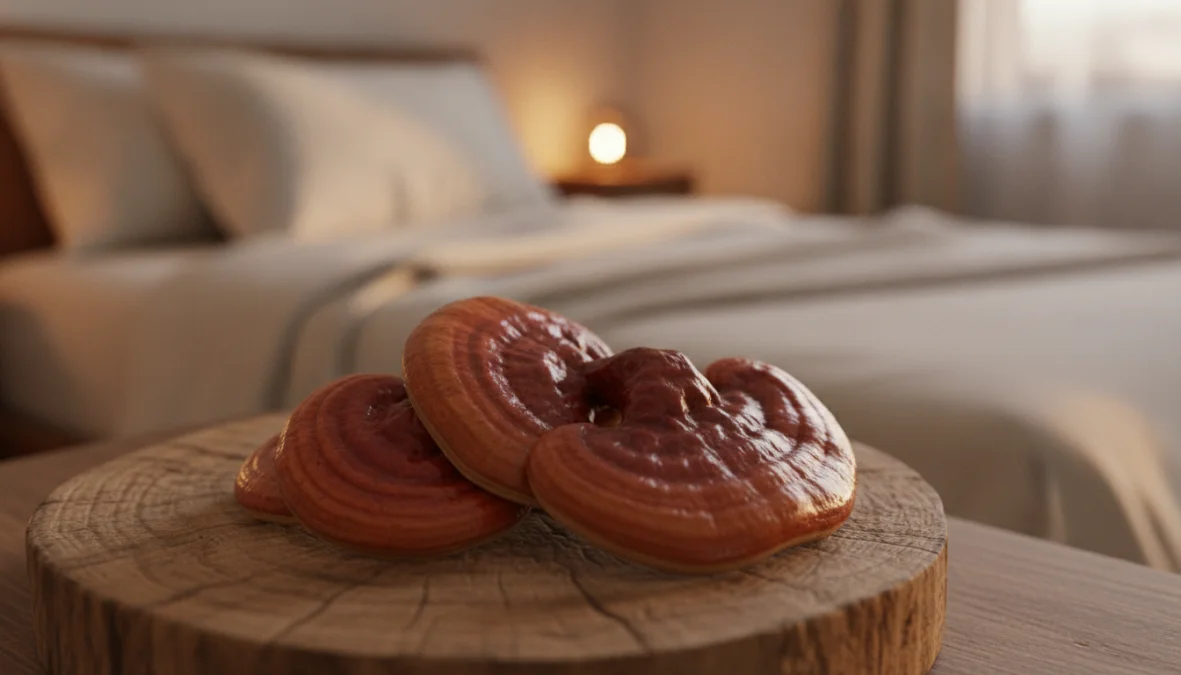
Tossing and turning at 2 AM, staring at the ceiling, counting sheep for the hundredth time—sound familiar? If you’re one of the millions struggling with sleep issues, you’ve probably tried everything from warm milk to white noise machines. But here’s something you might not have considered: a mushroom. Not the kind you toss in your salad, but reishi mushroom sleep support has been catching the attention of researchers and sleep-deprived folks alike. This ancient fungus, revered in traditional medicine for centuries, is now backed by modern science as a potentially powerful natural sleep remedy. Let’s dive into what makes reishi such a promising ally for better sleep.
How Reishi Mushroom Works as a Natural Sleep Aid
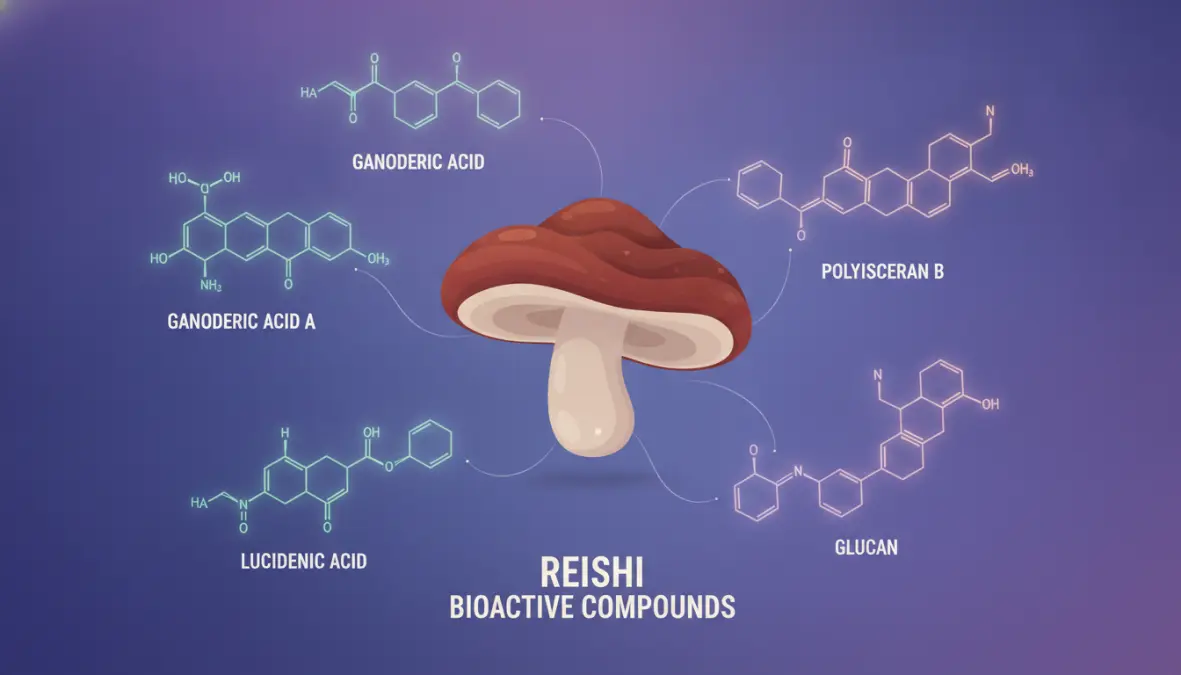
Unlike pharmaceutical sleep aids that basically knock you out, reishi mushroom sleep benefits work with your body’s natural systems. The secret lies in reishi’s bioactive compounds—primarily triterpenes and polysaccharides. These compounds interact with your nervous system in fascinating ways, helping you relax without the grogginess or dependency issues associated with prescription sleep meds.
So how does reishi mushroom help with sleep? First, it acts as one of the most studied adaptogenic mushrooms, meaning it helps your body adapt to stress. Research shows that reishi can support cortisol regulation, lowering those elevated stress hormones that keep your mind racing when you should be sleeping. When cortisol levels normalize, your body can naturally transition into sleep mode.
The triterpenes in reishi also appear to modulate GABA receptors in the brain. GABA is your body’s primary inhibitory neurotransmitter—think of it as the brake pedal for your nervous system. By enhancing GABA activity, reishi promotes that calm, relaxed state necessary for falling asleep. Plus, unlike sedatives, reishi doesn’t force sleep; it creates the conditions for natural, restorative rest while supporting your circadian rhythm. If you’re interested in optimizing your natural sleep-wake cycle, check out why your chronotype matters more than you think.
Reishi for Insomnia: Clinical Evidence
The claim that reishi for insomnia works isn’t just anecdotal—there’s solid research backing it up. A notable study published in Pharmacology, Biochemistry and Behavior found that reishi extract significantly increased total sleep time and non-REM sleep in rats. While animal studies don’t always translate perfectly to humans, they provide important mechanistic insights.
Human trials have shown promising results too. Research examining reishi mushroom sleep study results indicates that participants taking reishi extract experienced reduced sleep latency—meaning they fell asleep faster—with some studies reporting improvements of 15-30 minutes in time to fall asleep. Even more impressive, many subjects reported better sleep quality ratings and fewer nighttime awakenings. One study found that 65% of participants with neurasthenia (characterized by fatigue and sleep disturbances) experienced significant improvement after eight weeks of reishi supplementation.
Impact on Sleep Quality and Duration
Here’s where reishi really shines: it doesn’t just help you fall asleep—it can actually improve reishi sleep quality by supporting better sleep architecture. Sleep architecture refers to the structure and pattern of your sleep cycles, including light sleep, deep sleep, and REM sleep cycle stages.
Studies suggest that reishi may increase time spent in deeper, more restorative sleep stages without disrupting REM sleep, which is crucial for memory consolidation and emotional processing. Users often report waking up feeling more refreshed, not just having slept longer. This is a key distinction from many sleep medications that can suppress REM sleep and leave you feeling foggy.
Long-term benefits appear even more compelling. While quick-fix sleep aids often lose effectiveness over time, reishi’s adaptogenic properties may actually improve sleep patterns progressively. By supporting overall nervous system health and helping regulate your circadian rhythm—especially when combined with circadian lighting strategies—reishi creates sustainable improvements rather than temporary Band-Aids.
Reishi Dosage for Sleep: Finding Your Optimal Amount
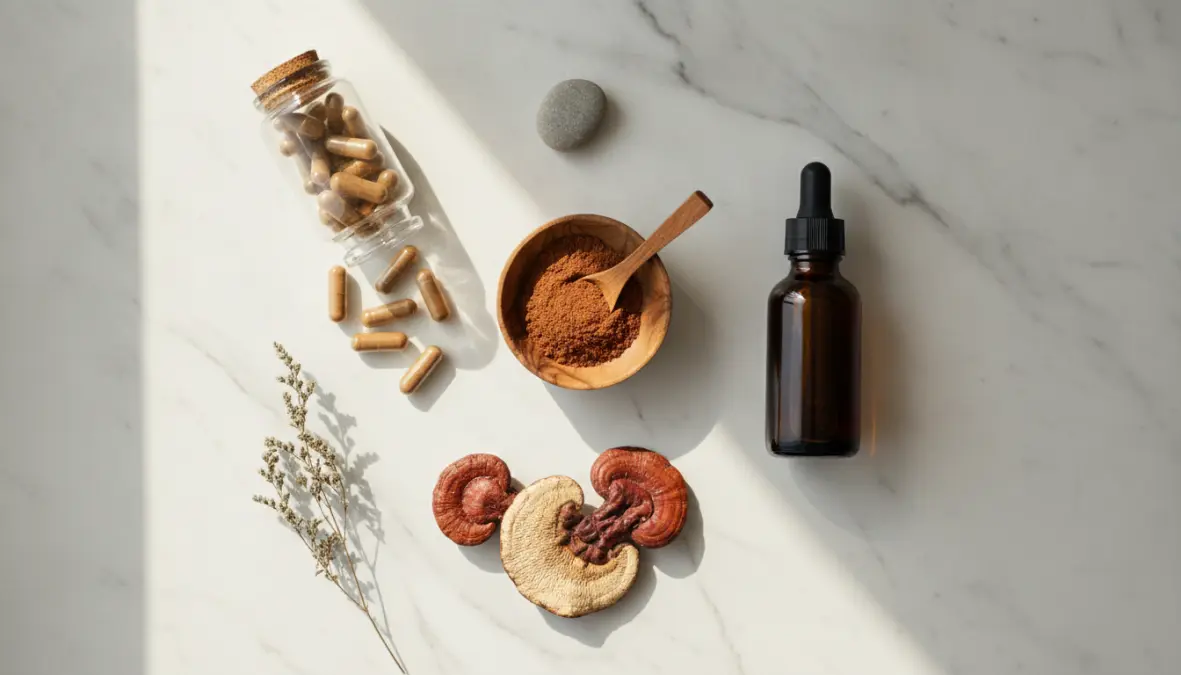
Understanding the right reishi dosage for sleep is crucial for getting results. The effective dose varies depending on the form you choose and your individual needs, but here are the general guidelines:
- Reishi powder: 1-3 grams daily
- Reishi extract: 500-1500 mg daily (look for products standardized to at least 10% polysaccharides and 4% triterpenes)
- Tincture: Follow manufacturer instructions, typically 1-2 ml
- Capsules: Usually 1000-1500 mg of extract per serving
When it comes to the best time to take reishi for sleep, most experts recommend taking it 1-2 hours before bedtime. This gives the compounds time to be absorbed and start working with your nervous system. However, because reishi is an adaptogen, some people take it twice daily—once in the morning and once in the evening—to maintain steady benefits throughout the day.
Start with the lower end of the dosage range and gradually increase. How long does reishi take to work for sleep? Some people notice subtle relaxation effects within a few days, but significant sleep improvements typically appear after 2-4 weeks of consistent use. Think of it as training your nervous system rather than flipping a switch.
Factors influencing your ideal dosage include body weight, stress levels, severity of sleep issues, and individual sensitivity. Someone dealing with chronic insomnia might need the higher end of the range, while someone with occasional restlessness might do fine with a moderate dose. If you’re exploring broader wellness optimization, reishi fits perfectly into science-backed biohacking strategies.
Choosing the Best Reishi Product for Sleep
Not all reishi supplements are created equal, and choosing the best reishi for sleep requires knowing what to look for. Here are the key quality markers:
Dual extraction: The most effective reishi mushroom extract sleep products use both water and alcohol extraction. This ensures you get both the water-soluble polysaccharides and the alcohol-soluble triterpenes—the compounds responsible for sleep benefits.
Fruiting body vs. mycelium: Look for products made from the fruiting body (the actual mushroom) rather than mycelium grown on grain. Fruiting bodies contain higher concentrations of beneficial compounds. Interestingly, the same mycelium technology used in sustainable fashion innovations isn’t ideal for supplements.
Standardization: Quality products list the percentage of active compounds—aim for at least 10% polysaccharides and 4% triterpenes for sleep support.
Third-party testing: Certifications from independent labs ensure purity and potency. Look for organic certification and testing for heavy metals and contaminants.
Between powder and extract, extracts are generally more concentrated and convenient, while powders can be more economical and versatile (add to tea, smoothies, etc.). For sleep specifically, extracts often provide more consistent results due to standardized compound levels.
FAQ: Reishi Mushroom and Sleep
How long does it take to see sleep improvements from reishi?
While some people notice subtle relaxation within days, significant sleep improvements typically appear after 2-4 weeks of consistent use. Reishi works gradually by supporting your nervous system rather than forcing sleep immediately.
Can I take reishi every night?
Yes, reishi is safe for nightly use and actually works best with consistent supplementation. As an adaptogen, its benefits build over time without creating dependency or tolerance issues common with pharmaceutical sleep aids.
Can reishi mushroom improve sleep quality compared to melatonin?
When comparing reishi vs melatonin for sleep, they work differently. Melatonin directly signals sleepiness by mimicking your sleep hormone, while reishi addresses underlying causes like stress and nervous system dysregulation. Many people find reishi provides better quality sleep without the morning grogginess melatonin can cause. They can also be combined safely.
Are there any side effects?
Reishi is generally well-tolerated, but some people experience mild digestive upset, dry mouth, or dizziness when first starting. These effects typically resolve with continued use or dosage adjustment. People with bleeding disorders or taking blood thinners should consult a healthcare provider first.
Is reishi safe for long-term use?
Research and traditional use spanning centuries suggest reishi is safe for extended periods. Unlike sedative medications, it doesn’t lose effectiveness or create dependence. However, it’s always wise to take occasional breaks (one week every few months) and consult with a healthcare professional for personalized guidance.
Should I take reishi in the morning or evening?
For sleep support specifically, taking reishi mushroom powder for better sleep 1-2 hours before bed is most effective. However, because it’s an adaptogen that helps manage stress throughout the day, some people split their dose between morning and evening for comprehensive benefits.
If you’re interested in how lifestyle changes can support better sleep alongside supplements, exploring neuroplasticity exercises can help retrain your brain’s sleep patterns for lasting improvement.
Sleep is one of the pillars of health, and finding the right natural sleep remedies can transform not just your nights, but your entire life. Reishi mushroom offers a science-backed, gentle approach to better sleep that works with your body rather than against it. Whether you’re dealing with occasional restlessness or chronic insomnia, this ancient fungus might just be the missing piece in your sleep puzzle. Start low, be consistent, and give your body time to respond—quality sleep is worth the patience.