Bone Broth Benefits: What Science Really Says About Collagen and Health Claims
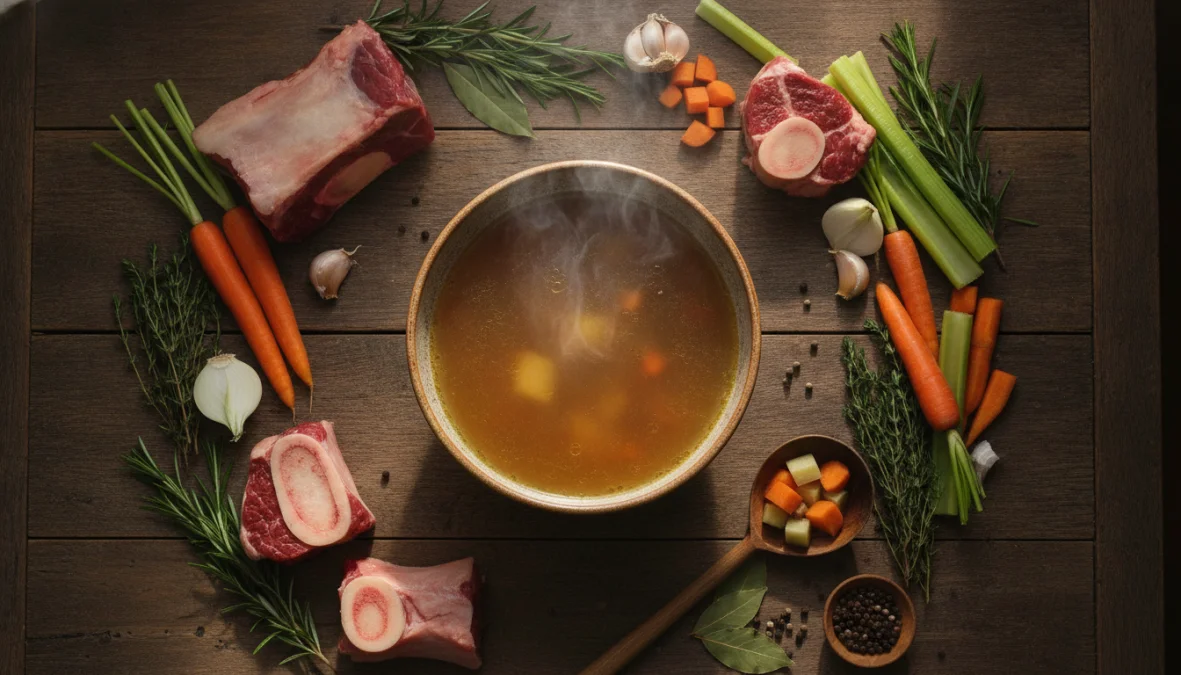
You’ve probably seen it on Instagram, simmering in trendy cafes, or recommended by your favorite wellness influencer: bone broth. This ancient food has made a massive comeback, marketed as everything from a collagen-boosting elixir to a gut-healing miracle cure. But before you spend hours simmering bones or shell out for expensive jars at Whole Foods, let’s cut through the hype and look at what science actually says about bone broth benefits.
What Is Bone Broth and Why the Health Hype?
Bone broth is essentially stock made by simmering animal bones (usually chicken, beef, or fish) and connective tissue for an extended period—typically 12 to 48 hours. This prolonged cooking time extracts nutrients like collagen, gelatin, amino acids (particularly glycine, proline, and glutamine), and minerals such as calcium, magnesium, and phosphorus. The result? A nutrient-dense liquid that’s been a staple in traditional cuisines worldwide for centuries.
Here’s the interesting part: grandmothers have been making bone broth for generations, using every part of the animal and creating nourishing soups without ever calling it a “superfood.” Fast-forward to today, and bone broth has been rebranded as a wellness trend, with claims ranging from improved skin elasticity and joint health to enhanced gut function and immune support. The modern wellness industry has transformed this humble kitchen staple into a premium product, sometimes selling for $10 per cup.
But which of these claims actually hold water? While traditional use provides anecdotal support, we need to examine what research says about the legitimate bone broth benefits versus marketing fiction. The gap between cultural wisdom and scientific validation is where things get interesting—and sometimes disappointing for bone broth enthusiasts.
Evidence-Based Bone Broth Benefits: What Research Actually Supports
Let’s dive into what the science actually says. Spoiler alert: some benefits have legitimate backing, while others are more wishful thinking than proven fact.

Joint Health and Collagen Content
This is where bone broth gets its strongest scientific support. Bone broth contains collagen, which breaks down into gelatin during cooking. This gelatin provides amino acids that are building blocks for cartilage and connective tissue. Studies on collagen supplementation (though not specifically bone broth) have shown promising results for joint health.
Research indicates that collagen peptides can reduce joint pain in athletes and people with osteoarthritis. A study published in Current Medical Research and Opinion found that collagen hydrolysate supplementation improved joint comfort in athletes during physical activity. Bone broth also contains glucosamine and chondroitin—compounds naturally found in cartilage that are commonly sold as joint supplements.
However, here’s the catch: most studies use concentrated collagen supplements, not bone broth itself. The amount of collagen in homemade bone broth varies wildly depending on cooking time, bone type, and preparation method. You’d likely need to consume significant quantities to match the doses used in clinical trials. Still, regular consumption as part of a balanced diet could contribute to overall joint health, especially when combined with other healthy lifestyle practices similar to those explored in cold water therapy for inflammation reduction.
Gut Health and Amino Acid Profile
The gut health claims surrounding bone broth center on its amino acid profile, particularly glutamine and glycine. Glutamine is known to support the intestinal barrier and may help with “leaky gut” (increased intestinal permeability). Some research suggests that glutamine supplementation can benefit people with inflammatory bowel conditions.
Gelatin from bone broth may also help protect the gut lining. Animal studies have shown that gelatin can support the mucosal layer of the digestive tract. The amino acid glycine has anti-inflammatory properties and may support digestion by helping regulate stomach acid production.
That said, most human studies focus on isolated amino acid supplements rather than bone broth as a whole food. The concentrations in bone broth are lower and less standardized than supplements. While anecdotal reports abound about bone broth improving digestive issues, rigorous clinical trials specifically testing bone broth for gut health are limited. The benefits are plausible based on the nutrient composition, but we need more direct research to make definitive claims.
Debunking Common Myths and Addressing the Fiction
Now for the reality check. Several popular claims about bone broth benefits don’t stand up to scientific scrutiny.
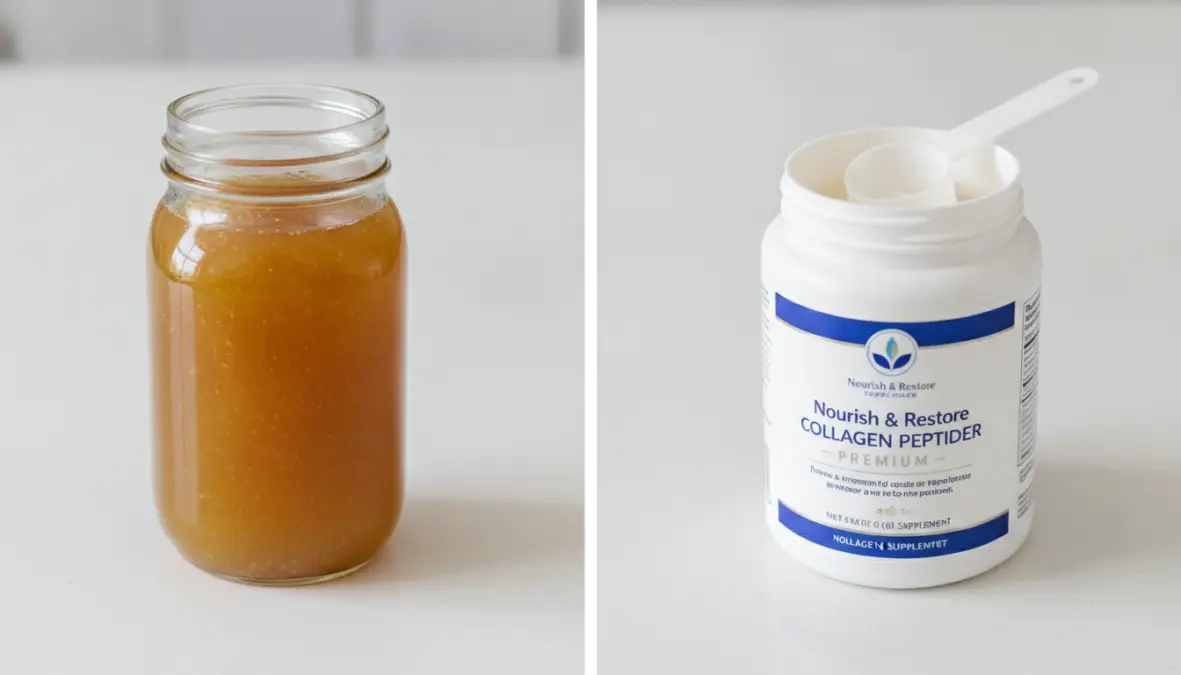
The collagen bioavailability myth: Many people believe drinking bone broth directly delivers collagen to your skin, hair, and nails. Unfortunately, your digestive system doesn’t work that way. When you consume collagen, your body breaks it down into individual amino acids during digestion. These amino acids are then redistributed throughout your body based on physiological needs—not necessarily to your face for wrinkle reduction. Your body doesn’t know that you drank collagen hoping for better skin; it just uses the amino acids where they’re needed most.
Anti-aging skin claims: While collagen supplementation studies have shown some improvements in skin elasticity and hydration, these typically use specific collagen peptides in controlled doses. The connection between drinking bone broth and achieving youthful skin is far more tenuous. Your skin’s collagen production depends on multiple factors including genetics, sun exposure, overall nutrition, and age—not just whether you drink bone broth.
Detox promises: Bone broth doesn’t “detoxify” your body. Your liver and kidneys handle detoxification quite effectively without any special foods. This myth persists in wellness culture, but there’s zero scientific evidence that bone broth has unique detoxifying properties.
Bone broth vs. collagen supplements: If you’re specifically seeking collagen for targeted benefits, hydrolyzed collagen supplements might be more effective. They provide standardized, higher concentrations of collagen peptides that have been studied clinically. Bone broth offers a broader nutrient profile but lower, inconsistent collagen content. Neither is “better”—they serve different purposes in a balanced diet.
Quality and sourcing matters: Not all bone broth is created equal. Bones from grass-fed, pasture-raised animals generally have better nutrient profiles. There’s also the concern of heavy metals—lead can accumulate in bones, and some studies have detected lead in bone broth. While levels are typically low, it’s worth sourcing quality bones and not consuming excessive amounts daily.
FAQ: Your Bone Broth Questions Answered
Does bone broth really have collagen?
Yes, bone broth contains collagen that breaks down into gelatin during cooking. However, the amount varies significantly based on cooking time, bone type, and preparation method. It’s not standardized like supplements.
How much bone broth should I drink daily?
There’s no official recommended amount. Most enthusiasts consume 1-2 cups daily. Listen to your body and remember that bone broth should complement—not replace—a varied, nutrient-rich diet.
Is bone broth better than collagen powder?
It depends on your goals. Collagen powder provides higher, standardized doses for specific benefits. Bone broth offers a whole-food approach with additional minerals and amino acids. Both can fit into a healthy lifestyle, much like how alternative protein sources offer different nutritional profiles.
What are the side effects of bone broth?
Bone broth is generally safe for most people. Some may experience digestive discomfort if consuming large amounts initially. Those with histamine intolerance might react to the long cooking process. As mentioned, there’s also a small concern about heavy metal content if consuming very large quantities regularly.
The bottom line? Bone broth benefits are real but modest. It’s a nutritious food with legitimate support for joint and gut health, but it’s not the miracle cure marketing would have you believe. Enjoy it as part of a balanced diet, set realistic expectations, and don’t feel pressured to drink it if you simply don’t enjoy it. Your health depends on overall lifestyle patterns—including nutrition, movement, sleep, and stress management—not any single superfood. Similar to practices like forest bathing or sound therapy, bone broth can be one tool in your wellness toolkit, but it works best as part of a holistic approach to health.