Wim Hof Method: The Science Behind the Iceman’s Breathing and Cold Exposure Techniques
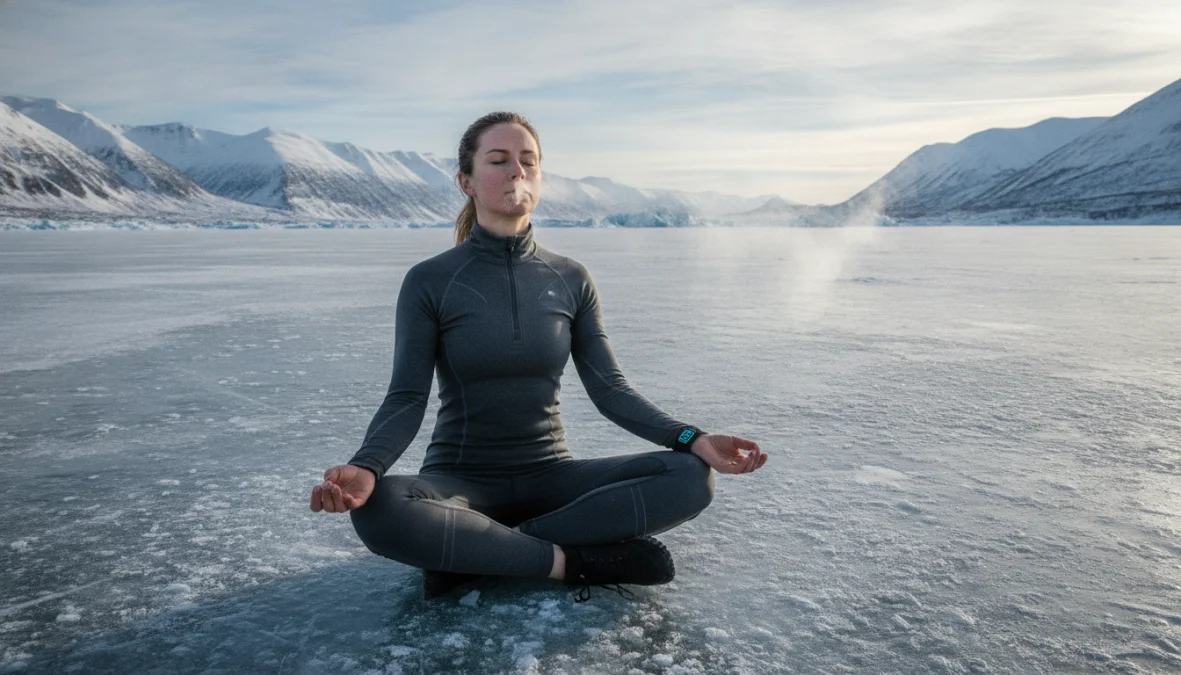
Picture this: a Dutch daredevil who runs barefoot marathons above the Arctic Circle, holds 26 world records for cold exposure, and claims he can voluntarily influence his immune system using nothing but breathing and mental focus. Sounds like science fiction? Meet Wim Hof, nicknamed “The Iceman,” whose unconventional method has captivated millions and sparked legitimate scientific interest. The Wim Hof Method combines ancient breathing techniques with modern cold exposure therapy, promising enhanced immunity, reduced inflammation, and mental clarity. But does it actually work, or is it just another wellness fad? Let’s dive into the science behind this increasingly popular practice and explore what happens when you hyperventilate on purpose and then jump into ice-cold water.
What Is the Wim Hof Method?
The wim hof method is a holistic training program built on three core pillars: specialized breathing exercises, gradual cold exposure, and mental commitment. Developed by Wim Hof—a Dutch extreme athlete who’s climbed Mount Kilimanjaro in shorts and swum under Arctic ice—the iceman method draws inspiration from Tibetan tummo breathing practices that monks have used for centuries to generate internal heat.
Unlike many wellness trends that overpromise and underdeliver, Hof’s approach has attracted serious scientific scrutiny. The method gained credibility when Hof participated in controlled studies demonstrating his ability to voluntarily influence his autonomic nervous system and immune response modulation—functions previously considered entirely involuntary. His claims weren’t just anecdotal bragging; researchers at Radboud University found that trained individuals could suppress inflammatory responses when injected with bacterial endotoxins.
What makes the wim hof meditation particularly appealing is its accessibility. You don’t need expensive equipment, gym memberships, or supplements. The three components work synergistically: breathing exercises oxygenate your body and influence your nervous system, cold exposure activates metabolic processes and builds mental resilience, while commitment (the often-overlooked third pillar) provides the mental fortitude to stick with the practice. This combination has made it popular among athletes, biohackers, and anyone seeking evidence-based techniques to optimize their health—similar to other science-backed approaches we’ve explored in biohacking for beginners.
The Wim Hof Breathing Technique: How It Works and Why
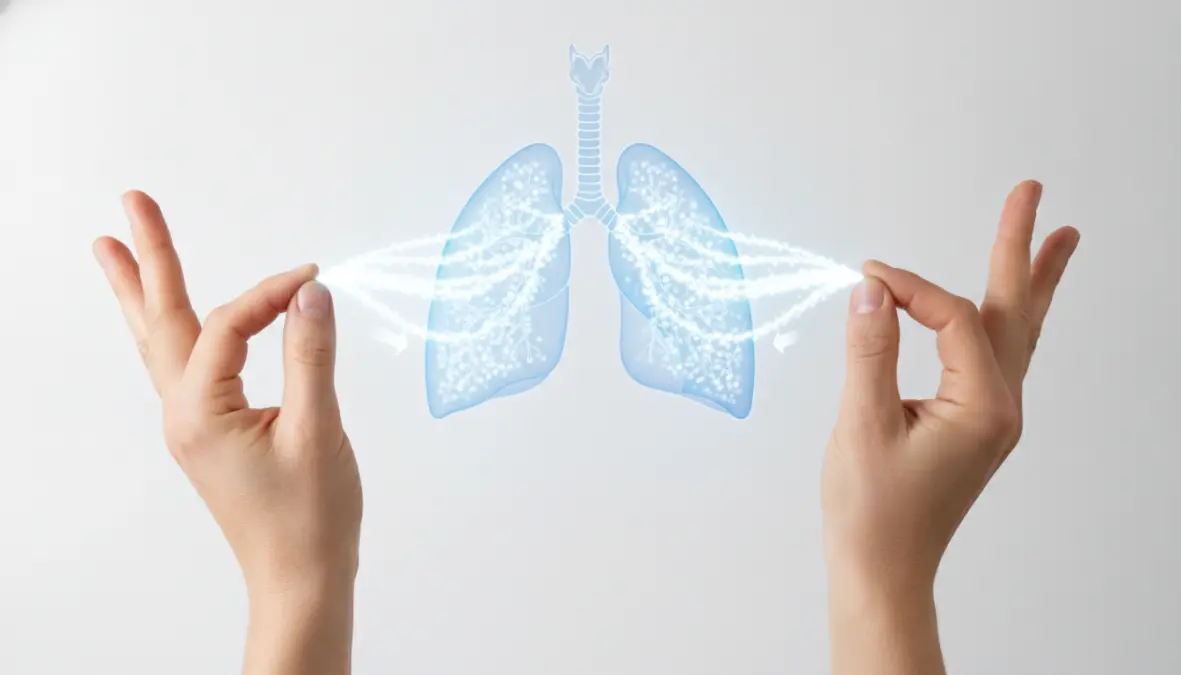
At the heart of the method lies the wim hof breathing technique, a form of controlled hyperventilation that dramatically alters your body’s chemistry in ways that can feel almost psychedelic. Unlike normal breathing, these wim hof exercises intentionally create a temporary state of respiratory alkalosis—a shift in blood pH that triggers fascinating physiological responses.
The practice involves deep, rhythmic breathing that floods your bloodstream with oxygen while simultaneously reducing carbon dioxide levels. This isn’t just relaxation breathing; it’s an active intervention that spikes adrenaline, temporarily suppresses inflammatory markers, and creates a unique state of controlled stress. Studies examining wim hof method scientific studies have shown practitioners can influence cytokine production—proteins crucial to immune function—which was previously thought impossible through voluntary means.
Step-by-Step Guide to Wim Hof Breathing
For those wondering how does wim hof breathing work in practice, here’s the wim hof breathing technique steps:
- Get comfortable: Sit or lie down in a safe place where you won’t hurt yourself if you feel lightheaded. Never practice in water or while driving.
- Take 30-40 deep breaths: Breathe in fully through your nose or mouth, filling your belly and chest, then release passively without forcing the exhale. Maintain a steady, powerful rhythm. You may feel tingling sensations or lightheadedness—this is normal.
- Hold after the final exhale: After your last breath, exhale naturally and hold your breath with empty lungs for as long as comfortable. Many beginners manage 1-2 minutes; experienced practitioners often exceed 3 minutes.
- Recovery breath: When you need air, take a deep breath in and hold it for 15-20 seconds, then release.
- Repeat the cycle: Complete 3-4 rounds total. Each round typically extends your breath-hold time.
Safety warning: The breathing technique can cause dizziness and temporary loss of motor control. Never practice while standing, in water, or operating machinery. If you have epilepsy, cardiovascular issues, or are pregnant, consult a physician before attempting.
The Science: What Happens in Your Body
Understanding the benefits of wim hof breathing technique requires examining the biochemistry. During the hyperventilation phase, you’re deliberately creating alkalosis—increasing blood pH above normal levels. This affects oxygen delivery to tissues and triggers the release of stress hormones like adrenaline and cortisol. Counterintuitively, while you’re taking in tons of oxygen, the technique actually allows cells to release more oxygen through a mechanism called the Bohr effect.
The breath retention phase activates parasympathetic activation once you resume breathing, creating a powerful swing between sympathetic (fight-or-flight) and parasympathetic (rest-and-digest) states. This oscillation is believed to strengthen autonomic nervous system regulation. Research published in the Proceedings of the National Academy of Sciences demonstrated that trained individuals showed increased epinephrine levels and reduced inflammatory responses compared to controls—providing evidence for wim hof method immune system benefits.
The practice also creates hormetic stress—a beneficial form of mild stress that strengthens rather than damages the body, similar to how exercise breaks down muscle to build it back stronger. This relates to the broader concept of neuroplasticity, which we’ve explored in our article on neuroplasticity exercises, as both involve training the body and brain to adapt to controlled challenges.
Cold Exposure Therapy: Benefits and Scientific Evidence
Cold exposure therapy forms the second pillar of the method, and it’s where many people hesitate. The thought of voluntarily subjecting yourself to icy water seems masochistic, but the cold therapy benefits extend far beyond mental toughness. For beginners exploring the wim hof method for beginners, the progression is gradual: start with 30 seconds of cold water at the end of your shower, slowly building tolerance over weeks and months.
The physiological adaptations are remarkable. Regular cold exposure activates brown adipose tissue (BAT)—metabolically active fat that burns calories to generate heat. Unlike white fat that stores energy, brown fat is your metabolic furnace. Studies show increased BAT activity correlates with improved insulin sensitivity and metabolic health. This is part of the process known as cold thermogenesis, where your body adapts to efficiently generate heat in cold conditions.
The wim hof cold exposure benefits supported by research include: enhanced immune function (increased white blood cell counts), reduced inflammation (lower inflammatory cytokines), improved recovery (reduced muscle soreness), increased mental resilience, elevated mood through endorphin and noradrenaline release, and improved circulation. One study found that people practicing cold showers had 29% fewer sick days compared to controls—a significant real-world impact.
To start safely: begin with 30 seconds of cold water after your warm shower, gradually increase duration over several weeks, never force it (build tolerance progressively), breathe calmly and steadily during exposure, and warm up naturally afterward. Those interested in taking this further might explore wild swimming benefits, which combines cold exposure with nature immersion.
Contraindications: Avoid cold exposure if you have cardiovascular disease, Raynaud’s syndrome, or are pregnant without medical clearance. Always listen to your body and start conservatively.

FAQ: Common Questions About the Wim Hof Method
Is the Wim Hof Method scientifically proven?
Yes and no. The question “is wim hof method scientifically proven” has a nuanced answer. Peer-reviewed research confirms practitioners can voluntarily influence their autonomic nervous system and immune responses—previously considered impossible. However, many claimed benefits still need more extensive research. Current evidence strongly supports immune modulation, stress reduction, and metabolic effects, but larger long-term studies are needed.
How often should you practice Wim Hof breathing?
Most practitioners do breathing exercises daily, typically in the morning. One session of 3-4 rounds takes about 15 minutes. For cold exposure, daily cold showers (1-2 minutes) or 2-3 ice baths weekly are common protocols. Consistency matters more than intensity when starting.
Can anyone do the Wim Hof Method?
Most healthy adults can safely practice with proper guidance. However, those with epilepsy, cardiovascular conditions, severe asthma, or pregnancy should consult healthcare providers first. The breathing technique’s intensity isn’t suitable for everyone, and cold exposure requires medical clearance for certain conditions.
What are the risks of cold exposure?
Hypothermia and cold shock response are real risks if approached recklessly. Always start gradually, never practice alone in open water, and exit immediately if you experience uncontrollable shivering, confusion, or loss of dexterity. Controlled environments (cold showers, supervised ice baths) are safest for beginners.
How long before you see results?
Many people report immediate effects: increased energy after breathing exercises, improved mood after cold showers. Physiological adaptations like improved cold tolerance typically emerge within 2-4 weeks. Immune and metabolic benefits may take 6-8 weeks of consistent practice to become noticeable.
The wim hof method represents a fascinating intersection of ancient wisdom and modern science. While not a miracle cure, the evidence suggests it offers legitimate tools for enhancing resilience, metabolic health, and immune function. Like other evidence-based wellness practices such as forest bathing or sound bathing, it provides an accessible way to tap into your body’s innate adaptive capacities. Whether you’re seeking better stress management, athletic performance, or simply curiosity about your physiological potential, the Iceman’s method offers a scientifically-grounded starting point. Just remember: start slowly, respect your limits, and never practice the breathing technique in water. Your inner Iceman will thank you.