Minimalist Running: Your Complete Guide to Barefoot and Natural Running Technique
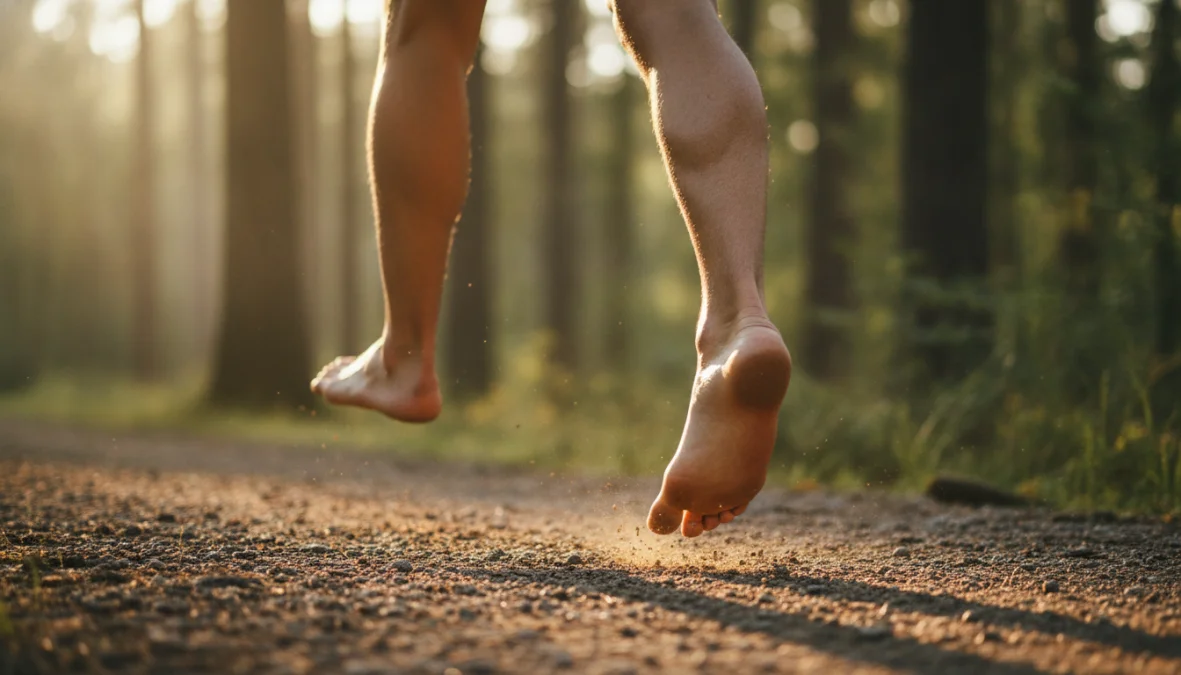
Ever wondered why your expensive, cushioned running shoes leave you with aching knees and shin splints? You’re not alone. A growing tribe of runners is ditching the traditional footwear arsenal and rediscovering how humans have run for millennia—with minimal or no shoes at all. Minimalist running isn’t just a trend; it’s a return to the biomechanics our bodies were designed for, and the results might surprise you.
What Is Minimalist Running and Why Runners Are Making the Switch
Minimalist running is an approach that emphasizes natural running technique with little to no cushioning between your feet and the ground. It exists on a spectrum: at one end, you have complete barefoot running (literally nothing on your feet), and at the other, minimalist footwear that provides protection while maintaining ground contact and natural foot movement.
The movement gained serious momentum in the early 2000s when research began questioning whether modern running shoes actually prevent injuries. Turns out, all that cushioning might be doing more harm than good. The core principle is simple: let your feet do what they evolved to do over millions of years—move naturally, spread wide, and feel the terrain beneath them.
The barefoot running benefits are compelling. Studies have shown that runners who transition to minimalist techniques often experience fewer repetitive stress injuries. Why? Because proper natural running form distributes impact forces more evenly throughout your body rather than concentrating them in your knees and hips. You’ll also develop significantly stronger foot and calf muscles—your body’s natural shock absorbers. Enhanced proprioception (your body’s awareness of position and movement) means better balance and more responsive adjustments to uneven terrain. Plus, improved ground feel creates a more intuitive connection with your running surface, making you a more efficient, lighter-footed runner.
Mastering Natural Running Technique: Form, Foot Strike, and Transition
Switching to minimalist running isn’t just about changing shoes—it requires relearning how to run. The technique differences between traditional heel-striking and natural running technique are significant, and getting them right is crucial for injury prevention and performance.
The Forefoot Strike and Proper Running Form
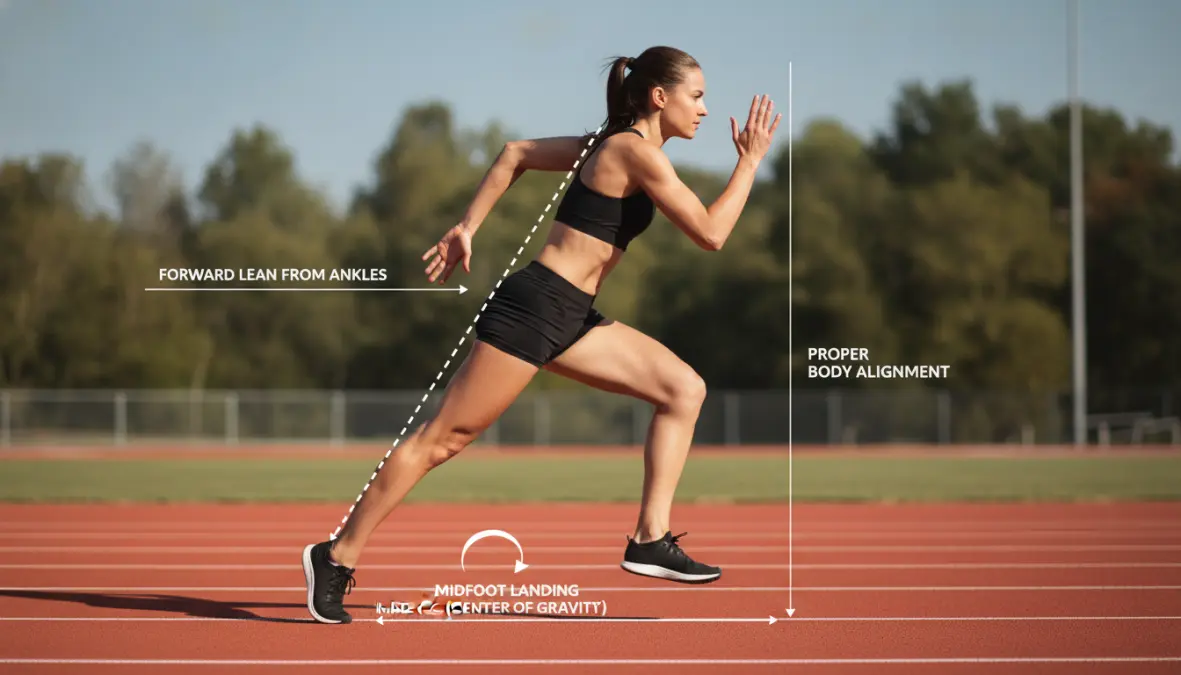
The cornerstone of proper running form in minimalist running is the forefoot strike. Unlike the heel-first landing encouraged by cushioned shoes, a forefoot or midfoot landing allows your foot’s natural arch and your calf muscles to absorb impact gradually. Think of landing on the ball of your foot first, with your heel gently kissing the ground afterward.
Here’s what proper running biomechanics look like: Stand tall with a slight forward lean from your ankles (not your waist). Keep your head up, looking ahead, not down at your feet. Your feet should land directly beneath your center of gravity, not out in front of you—this is critical. When you overstride with a heel strike, you’re essentially braking with every step. Your running cadence should increase to around 180 steps per minute, which naturally shortens your stride and promotes proper foot placement.
Practical cues to remember: imagine you’re running on hot coals (light, quick steps), or that you’re being pulled forward by a string attached to your chest. Keep your knees slightly bent upon landing—locked knees transfer shock straight to your joints. Your arms should swing naturally at your sides, helping maintain balance and rhythm. This might feel awkward initially, especially if you’re analyzing your foot strike pattern consciously, but it becomes second nature with practice.
How to Transition Safely to Minimalist Running
Here’s where most enthusiastic converts get injured: they go too hard, too fast. Learning how to transition to minimalist running properly is non-negotiable if you want to avoid stress fractures and tendonitis.
Start conservatively—and we mean really conservatively. Your first minimalist run should be no more than 10% of your weekly mileage, and that might mean just 5-10 minutes for many runners. Your feet, calves, and especially your achilles tendon strength need time to adapt. These structures have been essentially in a cast for years inside cushioned shoes.
Progress slowly over 6-12 months. Add just 10% more minimalist running per week, and listen to your body religiously. Soreness in your calves and feet is normal; sharp pain is not. Incorporate foot-strengthening exercises: toe spreads, picking up marbles with your toes, single-leg balance work, and calf raises. Much like the body awareness developed through somatic practices, tuning into your body’s signals is essential.
Common mistakes to avoid: Don’t jump straight into long distances. Don’t run minimalist on consecutive days initially. Don’t ignore pain signals—they’re your body’s warning system. And don’t assume minimalist running is automatically better for everyone; some runners genuinely do better with more support due to individual biomechanics and existing conditions. Consider getting a professional gait analysis to understand your specific needs.
Choosing the Right Minimalist Running Shoes
Ready to explore minimalist running shoes? Understanding the features that define minimalist footwear will help you make an informed choice that matches your experience level and running environment.
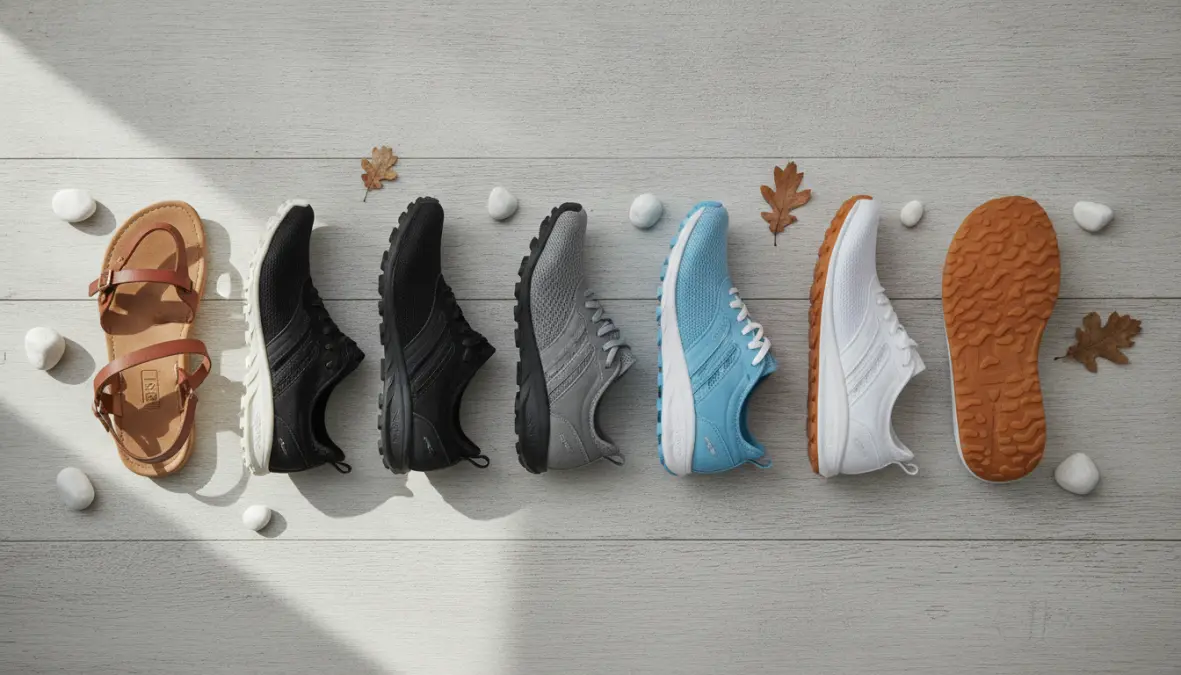
True minimalist shoes share several key characteristics. First, they’re zero drop shoes—meaning there’s no height difference between heel and toe, keeping your foot in a natural, flat position. The stack height (total amount of material between your foot and ground) is minimal, typically under 10mm, maximizing sensory feedback. They’re exceptionally flexible, allowing your foot to move and bend naturally. They’re lightweight—often under 200 grams per shoe. And crucially, they feature a wide toe box that lets your toes spread naturally instead of being squeezed together.
The spectrum of options runs from fully barefoot to transitional shoes. True barefoot running means skin on ground—free, but limited to clean, safe surfaces. Minimalist sandals provide abrasion protection while maintaining ground feel. Lightweight minimalist shoes offer a bit more protection for trails and urban environments. Transitional shoes sit between minimalist and traditional, with some cushioning but lower drop—perfect for beginners learning barefoot running technique for beginners without going all-in immediately.
When choosing best minimalist running shoes for beginners, consider your experience level first. Complete beginners should start with transitional models (4-6mm drop) before moving to zero drop. Think about your running surfaces: road running might allow for thinner soles, while trail runners need more puncture protection. Your goals matter too—if you’re exploring how to improve running form naturally, even minimal guidance from shoes can help.
The debate of barefoot running vs traditional running shoes isn’t black and white. Many runners maintain both in their rotation, using minimalist shoes for shorter, technique-focused runs while keeping traditional shoes for long distances. This hybrid approach can offer the benefits of natural running form while managing injury risk during the transition. Just like building a minimalist wardrobe focuses on quality essentials, your minimalist running shoe collection should prioritize versatile, well-constructed options that serve your specific needs.
When shopping, try shoes on with the socks (or lack thereof) you’ll actually run in. Walk around, do some light jogging in place. Your toes should have room to spread, and there should be no pressure points. Remember: the best shoe is the one that lets your foot function most naturally while providing just enough protection for your environment.
Taking Your First Steps Toward Natural Running
Minimalist running represents more than a footwear choice—it’s a fundamental shift in how you move. The journey requires patience, body awareness (similar to the mindful approach in learning new skills), and respect for your body’s adaptation timeline. But the rewards—stronger feet, improved form, reduced injury risk, and a more connected running experience—make it worthwhile for many runners.
Focus on minimalist running injury prevention by progressing slowly, strengthening your feet deliberately, and mastering proper forefoot strike technique before adding significant mileage. Whether you go fully barefoot or choose minimalist shoes, let your body’s feedback guide your journey. Start with short distances on forgiving surfaces, gradually build your natural foot strength, and enjoy rediscovering the primal pleasure of running the way humans were designed to move. Your feet—and your knees—will thank you.