Neurofeedback Training: Can You Really Train Your Brain to Perform Better?
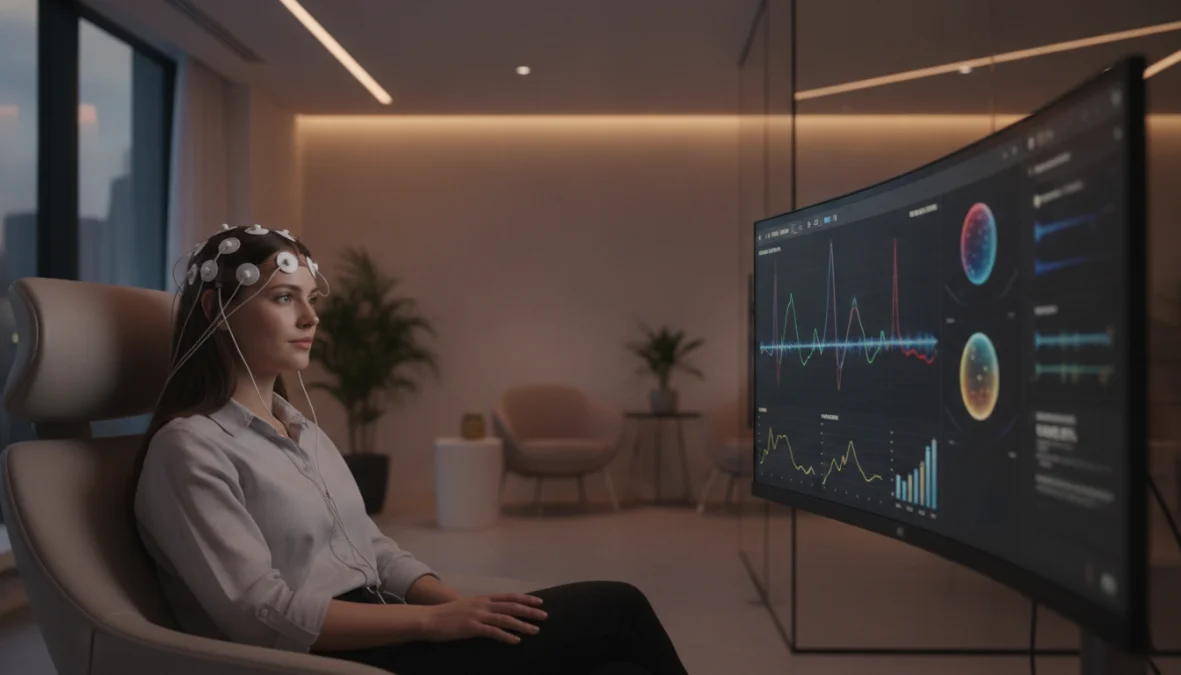
Ever wondered if you could actually tune your brain like a radio, adjusting the frequencies to eliminate static and boost the signal? That’s essentially what neurofeedback training promises—a way to literally watch your brain activity in real-time and learn to optimize it. But does this science-fiction-sounding technique actually deliver, or is it just another wellness fad with fancy equipment? Let’s dive into what neurofeedback really is, what the science says, and whether it might be worth your time and money.
What Is Neurofeedback Training and How Does It Work?
Neurofeedback training, also called EEG neurofeedback or neurotherapy, is a type of biofeedback that teaches you to self-regulate your brain activity. Think of it as a workout for your mind, but instead of lifting weights, you’re learning to control your brain waves through real-time feedback.
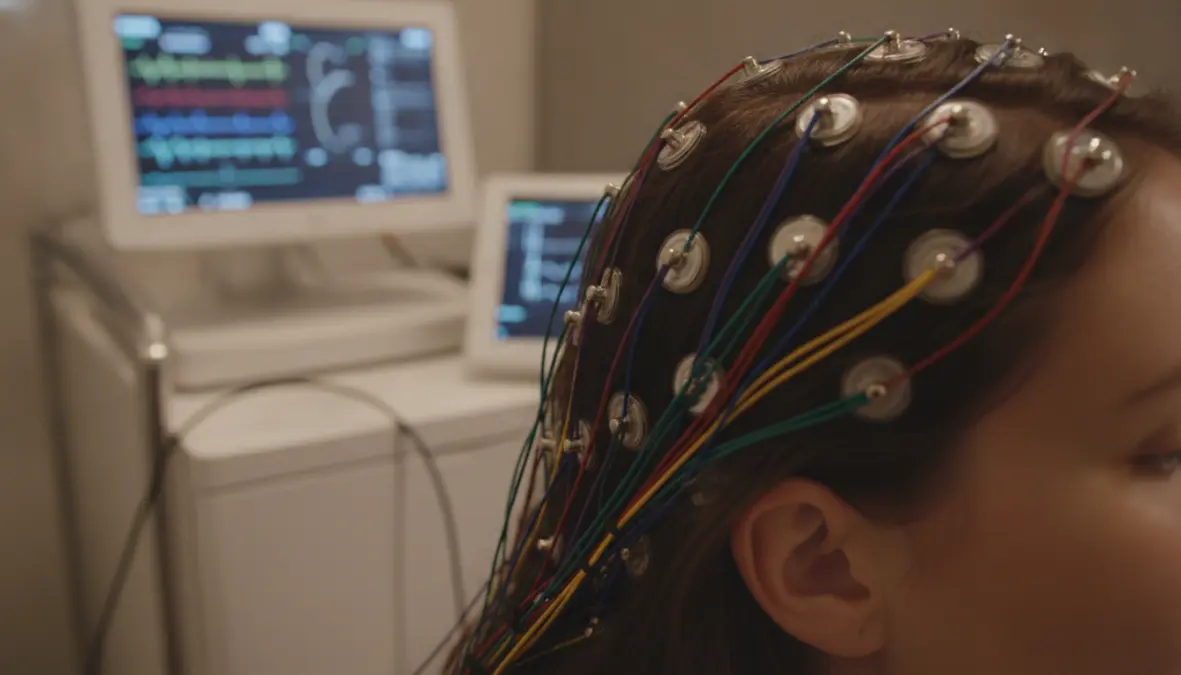
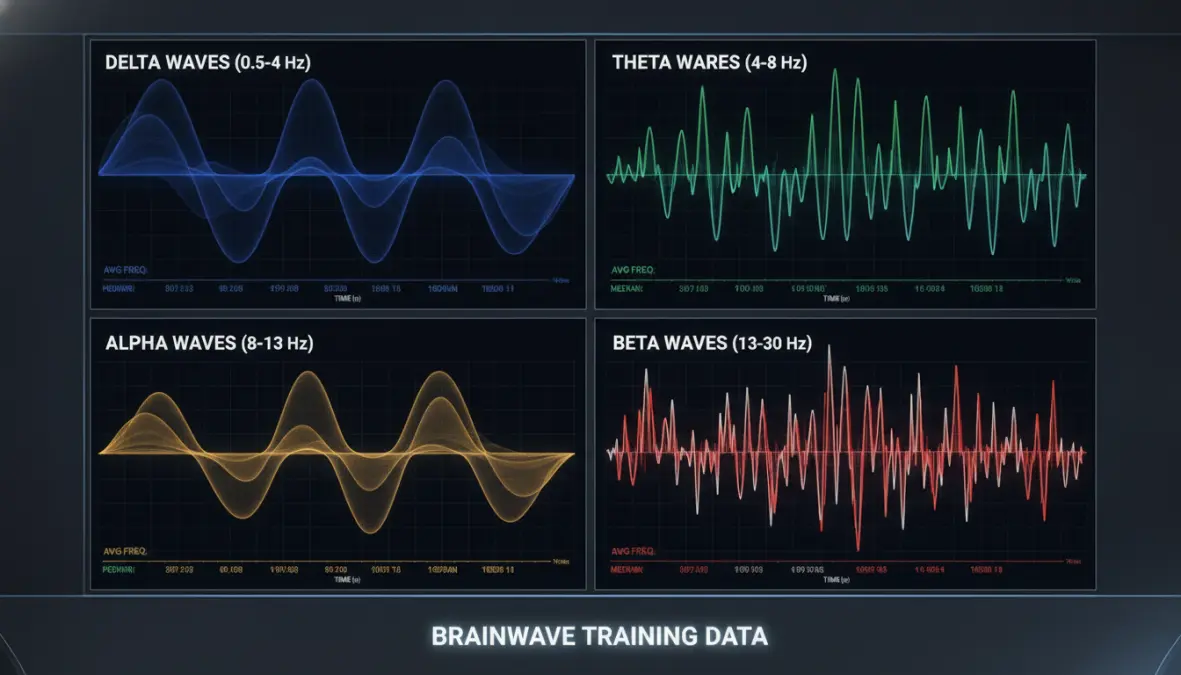
Here’s how it works: During a typical session, a technician places sensors on your scalp that measure electrical activity in your brain using electroencephalography (EEG). These sensors detect different types of brain waves—delta waves (0.5-4 Hz, associated with deep sleep), theta waves (4-8 Hz, linked to drowsiness and creativity), alpha waves (8-12 Hz, present during relaxed wakefulness), and beta waves (12-30 Hz, dominant during focused thinking). The system then displays this activity on a screen, often as a game, video, or visual representation.
The magic happens through operant conditioning: when your brain produces the desired wave patterns, you get positive feedback—the game advances, the music plays smoothly, or the video continues. When your brain drifts into undesired patterns, the feedback changes. Over time, your brain learns to reproduce the rewarded patterns more consistently, theoretically improving cognitive function and mental performance.
What makes neurofeedback therapy different from other brain training techniques? Unlike apps that claim to boost cognition through puzzles, neurofeedback directly measures and targets actual brain activity patterns. It’s more personalized than generic brain training techniques, since protocols are tailored to your specific brain wave patterns. For those interested in how our brains can change and adapt, check out our article on neuroplasticity exercises for complementary approaches.
The Science Behind Neurofeedback: Benefits and Evidence-Based Applications
So, does neurofeedback training really work? The honest answer is: it depends on what you’re treating and who you ask. The research landscape is complex, with some promising results but also significant gaps that need filling.
The strongest evidence exists for ADHD, particularly neurofeedback training for ADHD adults and children. Multiple studies have shown that specific protocols can reduce inattention and impulsivity, with some research suggesting effects comparable to medication for certain individuals. The FDA has even cleared some neurofeedback devices for ADHD treatment, though this doesn’t constitute full approval.
Other conditions showing promising research include anxiety and depression—making neurofeedback training for anxiety and depression an increasingly explored option. Studies suggest it may help regulate emotional responses and reduce symptom severity. For sleep disorders, neurofeedback targeting specific wave patterns has shown potential in improving sleep quality. PTSD treatment is another area with encouraging preliminary results, as is sports performance enhancement, where athletes use it for brain performance optimization.
The claimed neurofeedback benefits for cognitive enhancement include improved concentration, better working memory, enhanced emotional regulation, and reduced stress reactivity. However, it’s crucial to understand that clinical applications (treating diagnosed conditions) have more robust evidence than using neurofeedback purely for performance enhancement in healthy individuals.
The big limitation? Many studies have small sample sizes, inconsistent protocols, and questions about placebo effects. Some research shows significant benefits, while other studies find minimal differences compared to sham neurofeedback. The field needs larger, more rigorous trials to settle these questions definitively.
Who Can Benefit Most from Neurofeedback Therapy?
Based on current evidence, certain groups appear to benefit more consistently from brainwave training. Individuals with ADHD often see measurable improvements, particularly when conventional treatments haven’t been fully effective or well-tolerated. People struggling with anxiety disorders, especially generalized anxiety, may find it helpful as part of a comprehensive treatment plan.
Those with sleep disturbances, particularly insomnia related to overactive brain patterns, represent another promising group. Athletes and performers seeking that extra mental edge use neurofeedback for focus and stress management, though evidence here is more anecdotal than clinical. Students looking to improve concentration and learning capacity sometimes pursue it, though the cost-benefit ratio is debatable for academic performance alone.
Setting realistic expectations is essential. Neurofeedback isn’t a magic bullet—it works best when combined with other interventions like therapy, lifestyle changes, or medication when appropriate. If you’re exploring broader wellness strategies, our guide to biohacking for beginners offers complementary approaches.
Potential Limitations and What the Research Still Needs to Answer
Let’s address the elephant in the room: the neurofeedback field has its share of controversy. Critics point to the significant placebo effect in many studies—simply believing you’re improving your brain can produce real changes. Distinguishing true neurological change from expectation effects remains challenging.
Individual variability is enormous. Some people respond dramatically after a few sessions, while others show minimal change after dozens. We don’t yet fully understand why, though genetics, baseline brain patterns, and specific conditions all likely play roles. This unpredictability makes it difficult to guarantee results.
The importance of working with qualified professionals cannot be overstated. Poorly designed protocols or improper application can waste time and money—or potentially worsen symptoms. The lack of standardized protocols across the field means that what works in one clinic might differ significantly from another’s approach.
Questions the research still needs to answer include: What are the optimal protocols for specific conditions? How long do effects last without maintenance sessions? Can we predict who will respond best before starting treatment? How does neurofeedback compare long-term to established treatments?
Getting Started with Neurofeedback: What to Expect and How to Choose
If you’re considering trying neurofeedback training, here’s what you need to know practically. First, finding qualified practitioners matters enormously. Look for providers certified by the Biofeedback Certification International Alliance (BCIA), which requires specific training and adherence to standards. Many are psychologists, therapists, or medical professionals with specialized neurofeedback training.
Regarding neurofeedback training cost and effectiveness, expect to pay anywhere from $75 to $200 per session, with initial assessments sometimes costing more. Most protocols require 20-40 sessions to see lasting results, putting total costs between $1,500 and $8,000. Insurance coverage varies widely—some plans cover it for diagnosed conditions like ADHD, while many don’t cover it at all.
Your first session typically involves an assessment where the practitioner maps your baseline brain activity and discusses your goals. Subsequent sessions last 30-60 minutes, during which you’ll sit comfortably while sensors monitor your brain and you engage with the feedback mechanism. Most people find it relaxing, almost meditative.
What about at home neurofeedback training devices? Consumer devices have emerged, priced from a few hundred to several thousand dollars. While potentially useful for motivated individuals, they lack the customization and professional oversight of clinical treatment. They might work for general stress reduction or focus enhancement, but shouldn’t replace professional treatment for clinical conditions.
When choosing among the best neurofeedback training programs, ask about: the practitioner’s specific training and certification, their experience with your particular concern, what protocols they use and why, expected number of sessions, and whether they conduct follow-up assessments to track progress objectively.
Complementary approaches worth considering include traditional therapy, medication when appropriate, meditation and mindfulness practices, regular exercise and sleep optimization (check out our article on sleep science), and even nature exposure—forest bathing has shown cognitive benefits too.
The bottom line on brain optimization through neurofeedback? It’s a legitimate technique with growing evidence, particularly for specific conditions like ADHD and anxiety. It’s not pseudoscience, but it’s also not universally effective or fully understood. If you’re curious about the broader landscape of how technology is interfacing with our brains, our piece on brain-computer interfaces offers fascinating context.
Ultimately, how to train your brain with neurofeedback depends on your specific goals, budget, and willingness to commit to multiple sessions with no guaranteed outcome. Approach it with informed optimism rather than uncritical enthusiasm—your brain deserves nothing less.