Acoustic Ecology: How Soundscape Conservation Is Protecting Our Natural World
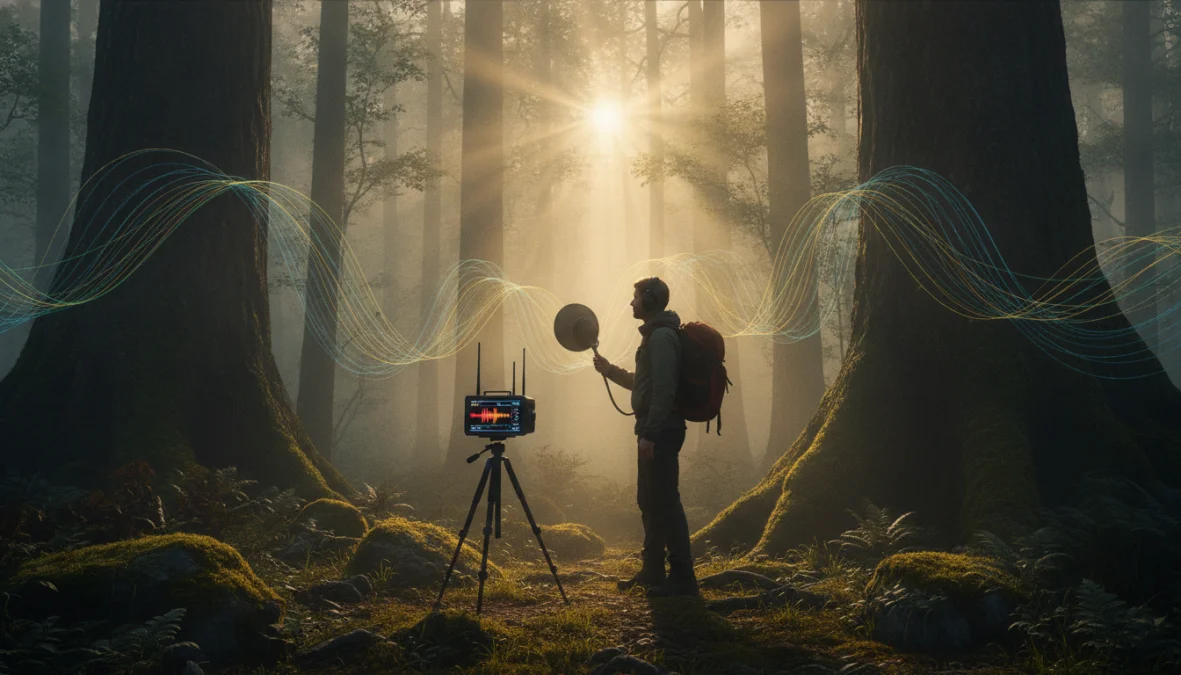
Ever stopped to really listen to nature? Not just hear it in the background, but truly tune in to the symphony of bird calls, rustling leaves, and babbling brooks? There’s an entire field of science dedicated to understanding these natural soundscapes, and it’s revolutionizing how we protect our planet. Welcome to the fascinating world of acoustic ecology—a discipline that’s teaching us to hear the health of our ecosystems in ways we never imagined possible.
Understanding Acoustic Ecology and Its Role in Environmental Conservation
So, what is acoustic ecology and soundscape conservation exactly? At its core, acoustic ecology is the study of the relationship between living beings and their environment through sound. Think of it as learning to read nature’s audio signature. While bioacoustics focuses specifically on sounds produced by individual animals, soundscape ecology takes a broader view—examining entire acoustic environments and how all sounds interact within an ecosystem.
This field didn’t emerge from a vacuum. Pioneering thinkers like composer R. Murray Schafer and naturalist Bernie Krause laid the groundwork in the 1970s and 1980s. Krause, who’s recorded over 5,000 hours of wild habitat sounds, noticed something alarming: many of the pristine soundscapes he’d captured decades ago no longer exist. His sound ecology research revealed that by analyzing acoustic environments, we could detect ecosystem changes long before visual surveys would catch them.
Here’s why this matters: traditional wildlife monitoring requires physical presence, cameras, or traps—methods that can be invasive, expensive, and time-consuming. Acoustic monitoring, by contrast, captures everything happening in an area continuously and non-invasively. Scientists studying soundscapes in nature discovered they could identify species presence, track migration patterns, and even measure ecosystem health just by listening. It’s like having thousands of invisible observers working 24/7.
How Scientists Monitor and Study Environmental Soundscapes
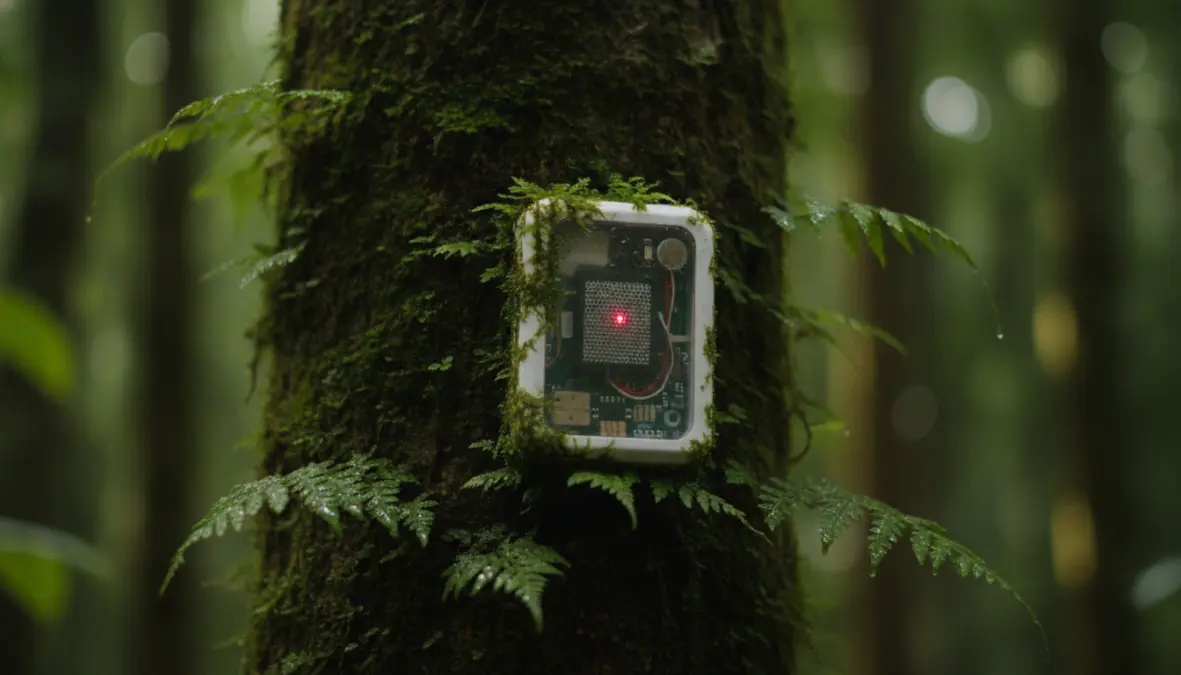
Environmental sound monitoring has become incredibly sophisticated. Researchers deploy autonomous recording units like AudioMoth recordings devices—small, weatherproof sensors that capture sounds continuously for weeks or months. These affordable gadgets have democratized ecoacoustics research, making large-scale monitoring projects feasible even for smaller institutions.
Once collected, the data goes through spectral analysis—transforming sound waves into visual spectrograms that reveal patterns invisible to the naked ear. Scientists use acoustic indices (mathematical measures of sound complexity and diversity) to quantify what they’re hearing. High sonic diversity typically indicates a healthy, biodiverse ecosystem, while degraded habitats show impoverished soundscapes.
Tools for soundscape analysis and recording have advanced rapidly. Sound mapping technologies now create detailed acoustic landscapes, showing how noise travels through forests, across savannas, or underwater in coral reefs. These maps reveal acoustic hotspots of biodiversity and identify areas suffering from acoustic degradation.
The Three Layers of Natural Soundscapes
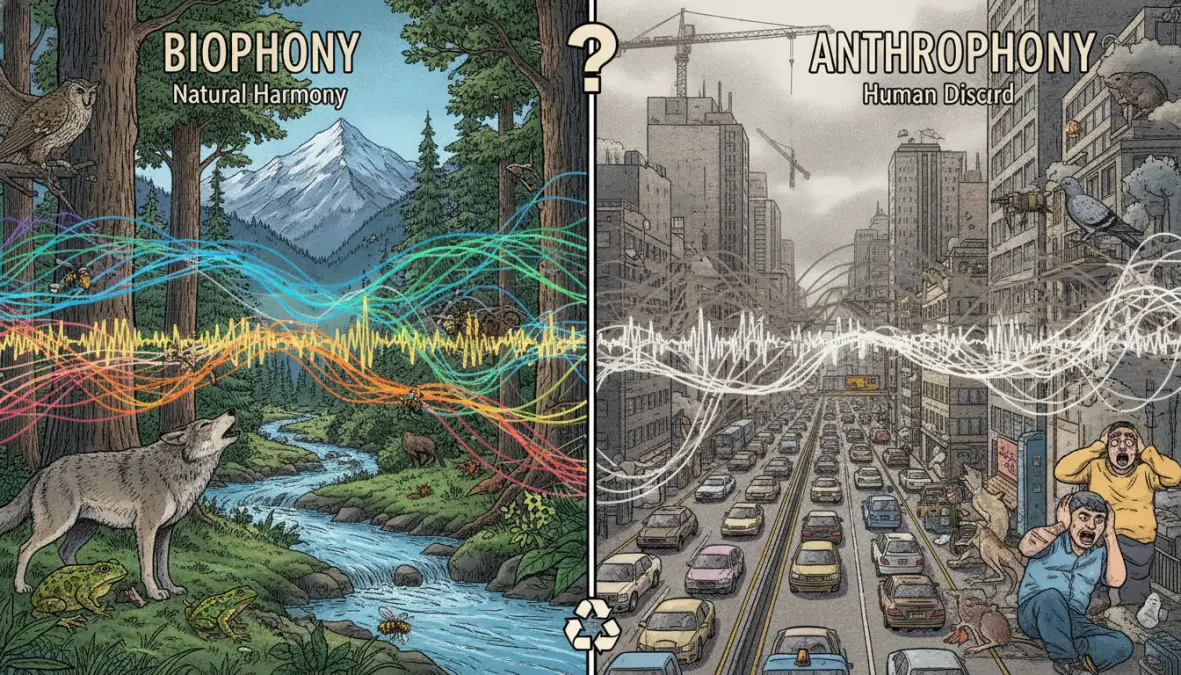
Bernie Krause introduced a brilliant framework for understanding soundscapes by dividing them into three distinct components. Geophony encompasses non-biological natural sounds—think wind through canyons, rain on leaves, waves crashing on shores, or thunder rumbling across plains. These sounds form the baseline acoustic texture of any environment.
Biophony represents all sounds produced by living organisms: bird songs, frog choruses, insect buzzes, wolf howls, and whale songs. In healthy ecosystems, Krause discovered that different species occupy distinct acoustic niches—they’ve evolved to communicate in specific frequency ranges to avoid overlapping with neighbors. This “acoustic partitioning” allows multiple species to coexist without drowning each other out.
Finally, anthrophony includes all human-generated sounds: traffic, machinery, aircraft, construction, and music. While humans have always made sounds, the industrial revolution dramatically amplified our acoustic footprint. The balance between these three sound sources reveals an ecosystem’s condition. When anthrophony overwhelms biophony and geophony, we see measurable ecological consequences.
Real-World Applications of Acoustic Monitoring
The acoustic ecology methods for wildlife monitoring are proving invaluable across diverse environments. In Amazon rainforests, researchers measure biodiversity through sound by deploying recording grids that capture the acoustic complexity of these incredibly diverse ecosystems. They’ve discovered that forests recovering from logging show measurably different soundscapes than pristine areas—even when they look visually similar.
Marine biologists use underwater acoustic monitoring to track whale populations, detect illegal fishing, and assess coral reef health. Healthy reefs produce a characteristic crackling sound from countless snapping shrimp—when reefs bleach and die, this sound diminishes dramatically. In urban environments, acoustic ecology applications in environmental science help city planners understand how noise affects urban wildlife and design quieter, more nature-friendly spaces.
Perhaps most excitingly, acoustic monitoring excels at detecting rare or elusive species. A tiger’s roar, a rare bird’s call, or an endangered frog’s mating song can be identified in hundreds of hours of recordings using machine learning algorithms, revealing species presence without disturbing them. Similar approaches are utilized in citizen science projects where everyday people contribute to environmental research.
Noise Pollution and the Future of Soundscape Conservation
Here’s the sobering reality: human noise is fundamentally reshaping the acoustic environment of our planet. Noise pollution conservation has become critical because anthrophony doesn’t just annoy wildlife—it actively harms it. Birds in noisy areas sing at higher pitches and volumes, expending extra energy. Marine mammals can’t navigate or find mates when ship noise drowns out their calls. Some species simply abandon habitats that become too noisy, even if food and shelter remain abundant.
The effects ripple through entire ecosystems. When predators can’t hear prey, or prey can’t hear approaching danger, survival rates plummet. Research shows that noise pollution causes chronic stress in wildlife, suppressing immune function and reproductive success. In some forests near highways, bird populations decline not because of habitat loss, but purely due to acoustic interference with their communication.
Soundscape conservation strategies are emerging as conservation priorities. Protected areas now consider “acoustic refugia”—zones where natural soundscapes remain intact. Some parks have implemented quiet hours, restricted aircraft overflights, or rerouted trails away from sensitive wildlife areas. In Europe, regulations require noise impact assessments for major development projects.
Acoustic restoration projects are also gaining traction. By reducing noise sources, planting sound-absorbing vegetation, or creating buffer zones, conservationists can restore degraded soundscapes. The results can be dramatic—when natural sounds return, so do the species that depend on them.
Looking forward, soundscape ecology will become increasingly important as climate change and human expansion intensify. The good news? We can all contribute. Supporting quiet recreation practices, reducing our personal noise footprint, and advocating for acoustic conservation policies all help. Just as we’ve learned to appreciate nature visually through photography and forest bathing, perhaps it’s time we learned to truly listen—and protect what we hear.
Interestingly, the same awareness of sound’s impact on wellbeing appears in practices like sound bathing therapy, which harnesses sound’s power for human health, reminding us that acoustic environments profoundly affect all living beings.
FAQ
What is the difference between acoustic ecology and bioacoustics?
Bioacoustics focuses specifically on sounds produced by individual organisms and their communication, while acoustic ecology examines entire soundscapes—including biological, geological, and human-generated sounds—and their ecological relationships within complete acoustic environments.
How does noise pollution affect wildlife?
Noise pollution interferes with animal communication, navigation, and predator detection. It causes chronic stress, reduces reproductive success, forces species to relocate from otherwise suitable habitats, and can mask critical environmental sounds that animals depend on for survival.
What equipment is used for soundscape monitoring?
Researchers use autonomous recording units like AudioMoth devices, hydrophones for underwater recording, parabolic microphones for targeted capture, and sophisticated analysis software that creates spectrograms and calculates acoustic indices to measure soundscape characteristics and biodiversity.
Can soundscapes help predict ecosystem health?
Absolutely. Healthy ecosystems display high acoustic diversity and complexity. Changes in soundscape patterns often indicate ecological problems before they’re visually apparent, making acoustic monitoring an early-warning system for ecosystem degradation, species loss, or environmental threats.
How can I contribute to acoustic conservation?
Minimize noise during outdoor recreation, support quiet zones in protected areas, participate in acoustic monitoring citizen science programs, advocate for noise-reduction policies, and practice mindful listening to nature. Every effort to reduce noise pollution helps preserve natural soundscapes.