Modular Smartphone Design: How Fairphone is Leading the Repairable Tech Revolution
Your smartphone’s screen just cracked for the third time, and the repair shop wants $300 to fix it. Sound familiar? What if you could pop off the broken screen yourself in five minutes and snap on a new one for a fraction of the cost? That’s the promise of modular smartphone design—a revolutionary approach that’s challenging how we think about our devices and their impact on the planet. While tech giants have mostly abandoned this concept, one company is proving that repairable, sustainable phones aren’t just possible—they’re the future.
What is Modular Smartphone Design and Why It Matters
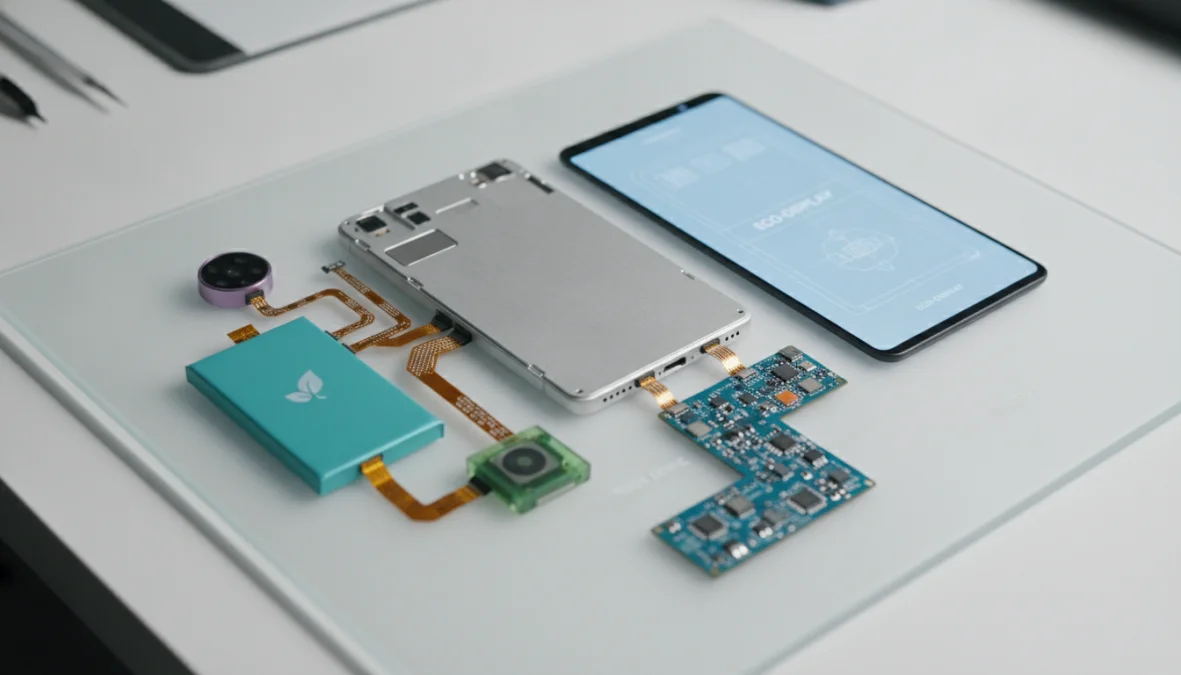
Modular smartphone design is exactly what it sounds like: a modular phone built from individual, replaceable components rather than a sealed, all-in-one unit. Think LEGO blocks instead of a sculpture carved from marble. With modular technology, key parts like the battery, camera, screen, USB ports, and even speakers can be swapped out independently without replacing the entire device.
So, how does modular smartphone design work? Traditional smartphones are assembled with glue, proprietary screws, and integrated components that make repairs nearly impossible without specialized equipment. Modular phones, by contrast, use standardized connectors and user-accessible fasteners. Drop your phone and crack the display? Unscrew the back, disconnect the screen module, snap in a replacement, and you’re done—no tech degree required.
The concept isn’t entirely new. Google’s ambitious Project Ara promised a phone where you could upgrade everything from processors to sensors like changing puzzle pieces. LG tried with the G5, offering swappable modules for enhanced audio and cameras. Both failed commercially, largely because consumers prioritized slim designs and water resistance over repairability. But here’s the thing: why modular smartphones failed in the market back then doesn’t mean the idea was bad—the timing and execution just weren’t right. Today, with growing awareness about e-waste and sustainability, the conversation has shifted dramatically.
Fairphone: The Pioneer of Repairable and Sustainable Smartphones
While others gave up, Fairphone doubled down. This Dutch company has made repairable smartphone design its entire mission, proving that sustainable smartphone production is not only viable but increasingly necessary. Their Fairphone modular design achieves something remarkable: a 10/10 repairability score from iFixit, the gold standard for device teardowns.
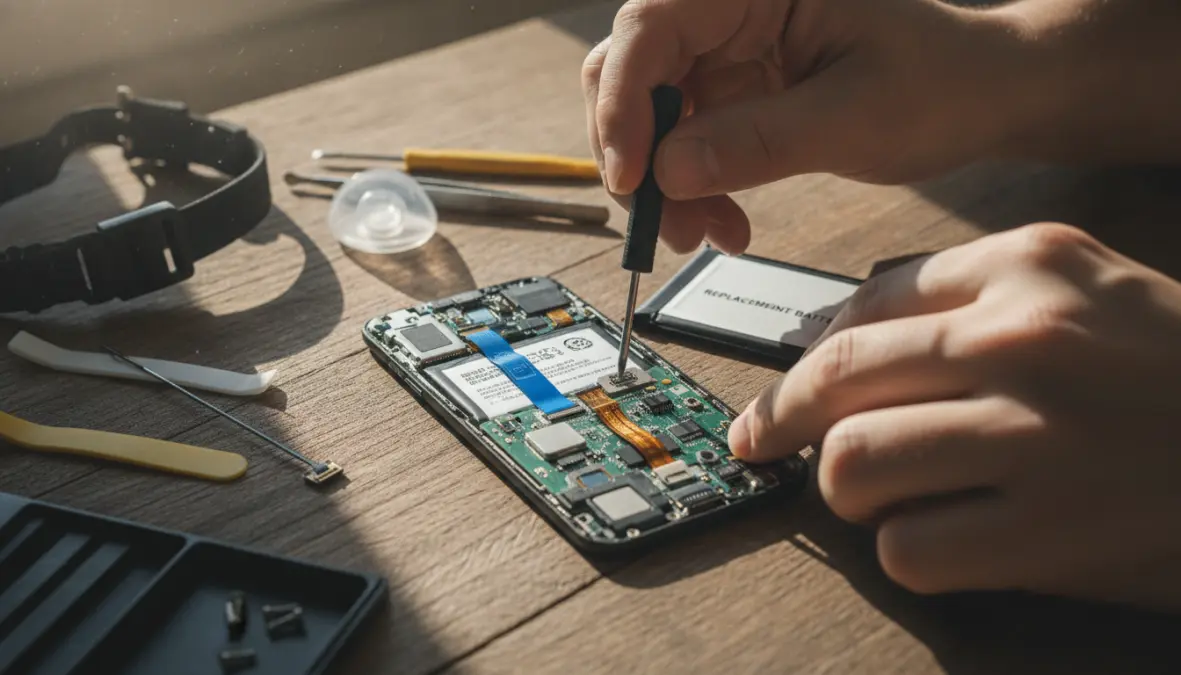
What makes Fairphone special? Every component is designed for user-repairable devices philosophy. Armed with just a standard Phillips screwdriver (included in the box), you can replace the battery in under a minute, swap the camera module in five, or change the entire screen assembly without voiding your warranty. These aren’t theoretical swappable modules—Fairphone sells replacement parts directly through their website, with detailed video guides showing you how to repair Fairphone at home.
The eco-friendly phone design extends beyond repairability. Fairphone sources conflict-free minerals, uses recycled materials in production, and commits to fair labor practices throughout their supply chain. They support their devices with software updates for years beyond industry standards—their Fairphone 2 received seven years of updates, addressing both device longevity and planned obsolescence head-on. When you consider Fairphone vs traditional smartphones repairability, the contrast is stark: most flagship phones require heat guns, suction cups, and risking further damage just to open them.
Real-World Benefits: Cost Savings and Environmental Impact
The benefits of modular phone design become crystal clear when you run the numbers. A battery replacement from Fairphone costs around $30—compare that to $80-100 from Apple or Samsung, plus labor. A screen module? About $90 versus $200-300 through official channels. Over a device’s lifetime, these savings add up significantly. Users report keeping their Fairphones for 4-5 years compared to the industry average of 2-3 years, dramatically improving the return on investment.
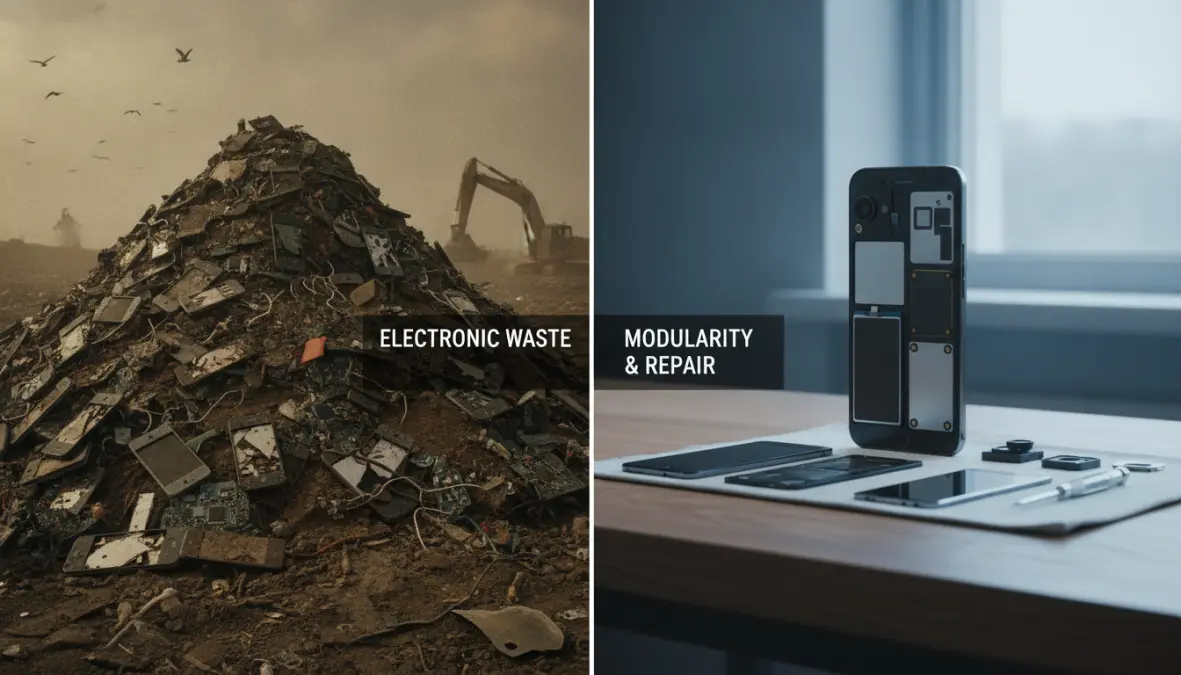
The environmental impact is even more compelling. Electronics contribute to 50 million tons of e-waste annually, with smartphones being major culprits. Through component replacement instead of full device disposal, modular phones directly contribute to e-waste reduction. Fairphone estimates their approach prevents thousands of tons of electronic waste yearly, embodying true circular economy principles. One Fairphone user reported replacing just their camera module after three years instead of buying a new phone—saving approximately 70kg of CO2 emissions and countless resources.
Challenges and Limitations of Current Modular Designs
Honesty matters: modular phones aren’t perfect. Current designs are typically thicker (9-10mm versus 7-8mm for flagships) and heavier, sacrificing sleekness for repairability. Water resistance suffers too—achieving IP68 ratings requires sealed construction that conflicts with easy disassembly. Performance-wise, while respectable, Fairphone’s processors trail cutting-edge flagships by a generation or two.
The upfront cost presents another barrier. When asking what are the best repairable smartphones, you’ll find Fairphones priced similarly to mid-range devices but with less powerful specs. The value proposition requires long-term thinking—not everyone’s willing to invest more initially for future savings. Market availability remains limited too, with Fairphone primarily serving Europe. And let’s be real: DIY phone repair intimidates many people, regardless of how simple companies make it.
The Right to Repair Movement and the Future of Modular Technology
Fairphone isn’t fighting alone anymore. The right to repair phones movement has gained serious momentum, with legislation passing in the European Union mandating that manufacturers provide repair options and spare parts. Several U.S. states have enacted similar laws, and more are pending. This regulatory pressure is forcing even resistant manufacturers to reconsider their sealed-box approach.
Consumer demand is shifting too. Surveys show increasing willingness to choose sustainable electronics over marginal spec improvements, especially among younger buyers. Framework Laptop proved modular design could succeed in the laptop market, inspiring renewed interest in the future of sustainable smartphone technology. Some analysts predict major manufacturers will introduce limited modular features—like easily replaceable batteries—within the next few years, not from goodwill but from market and legal pressure.
Innovations in adjacent fields signal promising directions. Just as solid-state batteries promise revolutionary energy storage, advances in modular connector technology could make swappable components thinner and more seamless. Similarly, how ambient computing is changing device interactions might reduce the need for constant hardware upgrades, making long-term device ownership more practical.
If you’re wondering can you upgrade modular smartphone parts, the answer is increasingly yes—not just replace, but genuinely upgrade. Fairphone has released improved camera modules compatible with older models, offering a glimpse of true modularity’s potential.
The path forward requires consumer action. Every purchase signals market priorities. Choosing repairable devices, even with trade-offs, tells manufacturers what matters. Supporting right-to-repair legislation, demanding transparency about product lifespans, and actually using devices longer rather than chasing annual upgrades—these choices accumulate into industry transformation. Modular phones might never dominate the market, but they don’t need to. They need to be viable alternatives, pushing the entire industry toward more sustainable smartphone practices. Fairphone has proven it’s possible. Now it’s up to us to decide if it’s preferable.