The Digital Afterlife Industry: How Companies Are Preserving Memories Forever
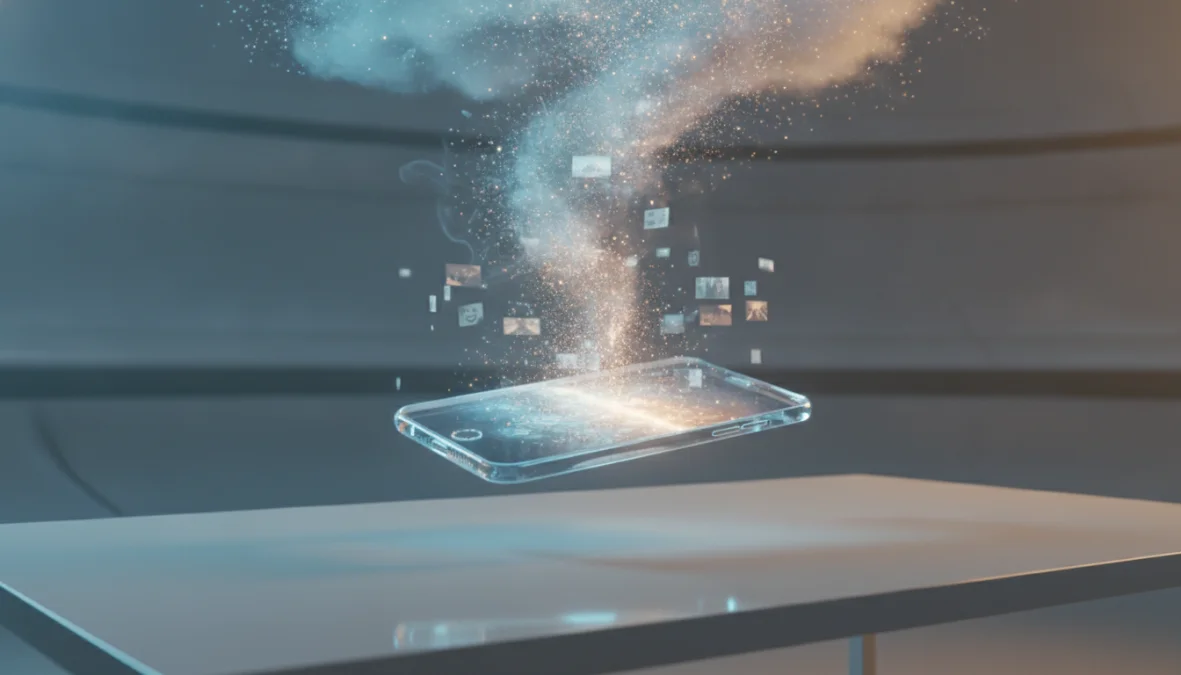
When you’re scrolling through your phone right now, you’re creating data. Photos, messages, social media posts, emails—all building blocks of your digital legacy. But here’s the uncomfortable question nobody likes to ask: what happens to all of it when you die? The average person leaves behind roughly 70,000 pieces of digital content, and a rapidly growing industry is emerging to help preserve, manage, and even eternalize these digital memories. Welcome to the digital afterlife industry, where technology meets mortality in ways our grandparents never imagined.
What Is the Digital Afterlife and Why It Matters
The digital afterlife refers to the existence and management of your online presence after death. It’s essentially the digital footprint you leave behind—everything from your Instagram feed to your cryptocurrency wallets. Unlike traditional estates filled with physical possessions, your digital legacy consists of intangible assets: cloud-stored photos, streaming playlists, online banking accounts, and years of accumulated messages.
Understanding digital legacy versus digital immortality is crucial. Your digital legacy is simply what you leave behind—the passive data and accounts that persist after you’re gone. Digital immortality, on the other hand, is the more ambitious (and controversial) attempt to recreate your consciousness or personality through AI and technology. Think of it as the difference between leaving your diary behind and creating a robot version of yourself that can chat with your grandchildren.
The numbers tell a compelling story about why posthumous data management matters. Facebook alone has an estimated 30 million profiles belonging to deceased users, a number that grows by thousands daily. By some projections, the dead could outnumber the living on social media platforms within the next few decades. Without proper planning, families face locked accounts, lost passwords, forgotten subscriptions draining bank accounts, and precious memories trapped in inaccessible digital vaults. The emotional and practical challenges of managing a loved one’s digital estate have created a genuine need that the digital afterlife industry is rushing to fill.
Key Services Shaping the Digital Afterlife Industry
The digital estate planning landscape has evolved dramatically, offering services that range from simple to sophisticated. These platforms generally fall into several categories, each addressing different aspects of our digital existence and what happens when we’re no longer here to manage it ourselves.
Online Memorial and Virtual Remembrance Platforms
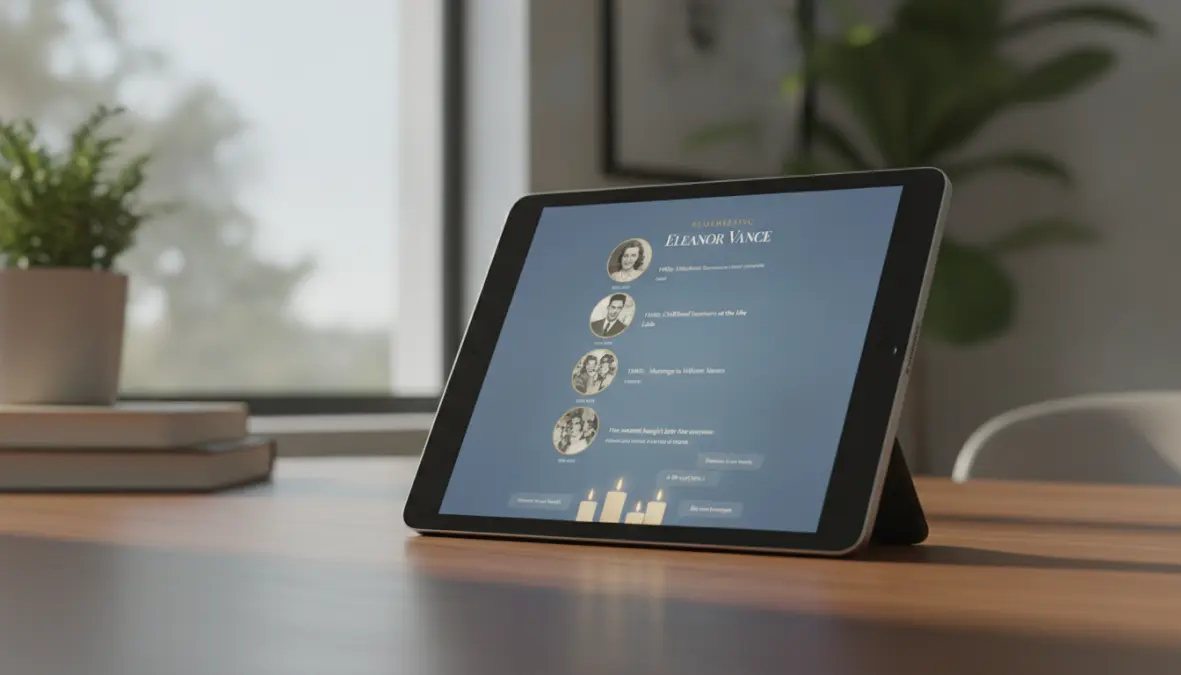
Online memorial services have become the digital equivalent of traditional cemetery headstones, but with far more interactivity. Platforms like Forever Missed, MyWishes, and GoneNotGone allow families to create dedicated spaces for virtual remembrance, where friends and relatives can share memories, upload photos, light virtual candles, and post tributes.
These memorial websites function as living tributes rather than static monuments. Forever Missed, for example, allows visitors to post condolences, share stories, and upload media, creating a collaborative memorial that grows over time. Some platforms offer timeline features that chronicle a person’s life, interactive maps showing where they lived and traveled, and even integration with genealogy services. Unlike traditional obituaries that disappear after a few days, these digital memorials exist indefinitely, accessible from anywhere in the world. Family members or designated administrators typically manage these pages, deciding who can post and what content appears, making them both personal and controlled.
AI-Powered Digital Immortality Solutions
This is where things get seriously futuristic. Memory preservation technology has moved beyond simple data archiving into the realm of recreating human personality and interaction. Companies like HereAfter AI and certain configurations of Replika allow users to create chatbots trained on their own conversations, voice recordings, and written communications.
The technology works by analyzing patterns in how you communicate—your vocabulary choices, sense of humor, typical responses, and conversational style. After training on enough data, these AI systems can generate responses that sound eerily like you, allowing loved ones to “chat” with a digital version of you after you’re gone. Some services even incorporate voice cloning technology, so the AI doesn’t just write like you—it actually speaks in your voice.
Projects exploring digital immortality have raised significant ethical questions. Is it healthy for grieving families to interact with AI versions of the deceased? Who owns and controls these digital personas? Can consent given while alive be considered truly informed when the technology is evolving so rapidly? These concerns connect closely with broader discussions about grief tech applications and how technology is fundamentally changing the bereavement process.
Beyond chatbots, some companies are working on avatar creation using photos and videos to build 3D representations, integrating with virtual reality for immersive memorial experiences. The technology shares conceptual similarities with digital twin technology, though applied to preserving human personalities rather than industrial processes.
Planning Your Digital Legacy: Practical Steps and Considerations
Digital estate planning might sound technical, but it’s really about making things easier for the people you leave behind. The first step is creating an inventory of your digital assets. List every account you have: social media profiles, email accounts, cloud storage services, online banking, investment apps, cryptocurrency wallets, subscription services, gaming accounts, and domain names you own. Don’t forget professional accounts like LinkedIn or industry-specific platforms.
Next comes the practical challenge of access. Password managers like 1Password and Dashlane now offer legacy or emergency access features, allowing you to designate someone who can access your vault after a specified period or upon proof of death. This solves the thorny problem of sharing passwords without compromising security while you’re alive.
Most major social platforms now have built-in posthumous data management features. Facebook allows you to designate a legacy contact who can manage your memorialized account or request deletion upon death. Google’s Inactive Account Manager lets you specify what happens to your Gmail, Photos, and Drive after a period of inactivity. Instagram allows memorialization. Twitter will remove accounts upon receiving a valid death certificate from family members. Understanding what happens to social media after death requires checking each platform’s specific policies.
Several specialized digital estate planning services have emerged to streamline this process. Everplans guides you through documenting everything from passwords to final wishes. Cake offers end-of-life planning that integrates digital assets with traditional estate planning. These services remind us that while we’ve largely gone digital in our daily lives—unlike those who’ve embraced analog productivity methods—we need digital solutions for end-of-life planning too.
Communication is crucial. Creating a comprehensive plan means nothing if nobody knows about it. Share your wishes with your estate executors, explain where you’ve stored access information, and update your legal will to address digital assets explicitly. Some jurisdictions now recognize digital assets in estate law, but legislation varies widely.
FAQ
What happens to social media accounts after death?
It depends on the platform. Facebook can be memorialized or deleted, with legacy contacts managing memorialized pages. Instagram offers memorialization. Twitter removes accounts with proper documentation. Google allows you to preplan what happens through Inactive Account Manager. Without planning, accounts typically remain active indefinitely or until platform policies remove them.
How much does digital afterlife planning cost?
Costs vary dramatically. Basic memorial websites range from free to $50 annually. Comprehensive digital estate planning services run $75-300 for one-time setup. AI-powered digital immortality services can cost hundreds or thousands, depending on features. Password managers with legacy features cost $30-60 annually. Creating a basic plan using free platform tools costs nothing but time.
Is digital immortality really possible?
Current technology can create convincing simulations of conversational patterns and vocal characteristics, but true consciousness transfer remains firmly in science fiction. What’s available now are sophisticated chatbots trained on your communication style—impressive, but not actual immortality. They’re representations based on data, not continuations of consciousness.
Who owns your digital data after you die?
This is legally complex and varies by jurisdiction and platform. Generally, you own the account, but platforms own the infrastructure and have rights defined in terms of service. Some digital assets (photos, documents) may transfer through your estate, while others (licensed content, certain accounts) may not be transferable. Always check individual platform policies and consult legal professionals for estate planning.
How do I choose a digital legacy service?
Consider what aspects matter most: simple memorial pages, comprehensive estate planning, or advanced AI preservation. Research company stability (you want them around long-term), read privacy policies carefully, check if family access is straightforward, compare costs, and read user reviews. Start with basic free tools before committing to expensive services.
The digital afterlife industry reflects our transition into lives lived increasingly online. As more of our memories, relationships, and legacies exist as data rather than physical objects, planning for their preservation becomes as important as traditional wills and estates. Whether you choose simple memorial pages or cutting-edge AI recreations, taking time now to organize your digital legacy is a gift to those who’ll remember you. In an era where everything from social media platforms to internet infrastructure itself is evolving rapidly, ensuring your digital memories endure requires thoughtful planning today.