Noise Pollution Health Effects: The Silent Epidemic Affecting Urban Populations
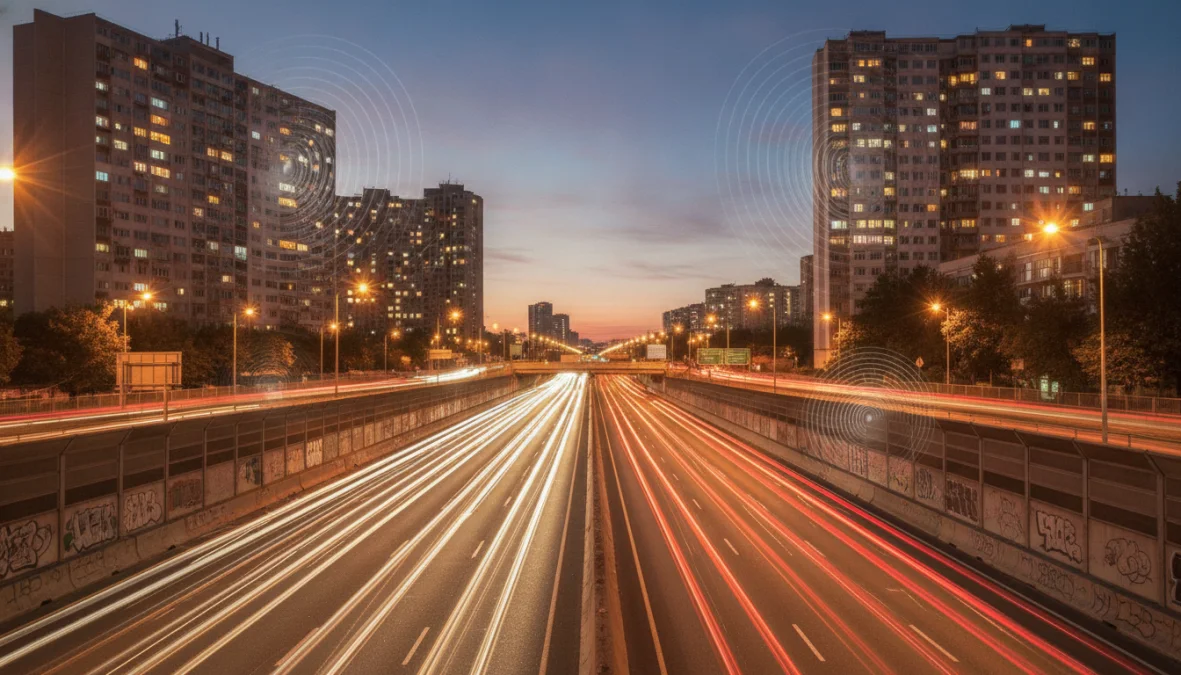
If you live in a city, you’re constantly bathed in sound. The rumble of traffic, construction crews hammering away, sirens wailing, airplanes overhead—it’s the soundtrack of urban life. But here’s the thing: this constant noise isn’t just annoying. It’s actually making us sick. The noise pollution health effects we’re experiencing represent a genuine public health crisis that’s been hiding in plain sight, affecting millions of people every single day without them even realizing it.
Understanding Noise Pollution and Its Prevalence in Urban Environments
So what exactly counts as urban noise pollution? Experts define it as unwanted or harmful outdoor sound created by human activities. We’re talking about decibel levels that consistently exceed 55 dB during the day or 40 dB at night—levels the World Health Organization considers potentially harmful. For context, normal conversation sits around 60 dB, while traffic noise regularly hits 70-85 dB, and construction sites can blast past 90 dB.
The environmental noise impact is staggering. Studies show that over 100 million people in Europe alone are exposed to harmful noise levels daily, with traffic being the biggest culprit. In major noise pollution cities like New York, Mumbai, and São Paulo, residents experience virtually no true silence. The difference between occasional loud noises and chronic noise exposure is crucial—it’s the relentless, day-after-day sound assault that really damages our health. Unlike air pollution, which we’ve learned to track and regulate, noise pollution remains largely invisible and underregulated, making it a truly silent epidemic affecting urban populations worldwide.
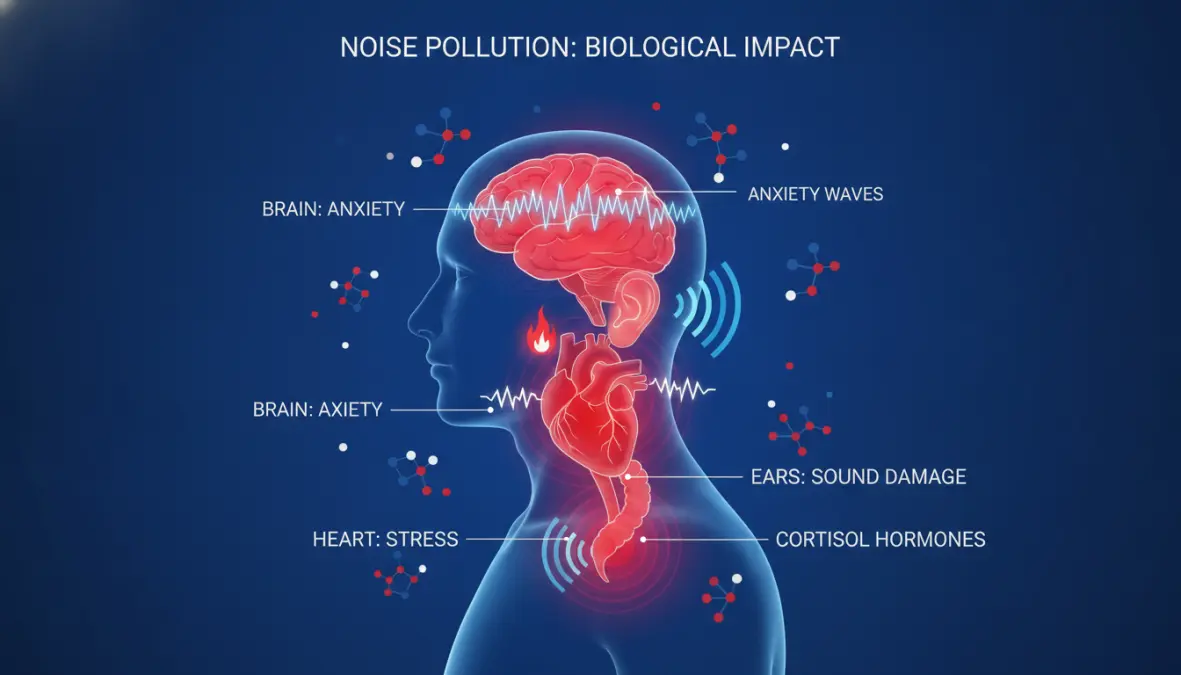
Major Health Effects of Noise Pollution on the Human Body
The health effects of noise extend far beyond just annoying your eardrums. Chronic exposure to high decibel levels triggers a complex cascade of physiological responses that can literally reshape your body’s systems. The noise-induced health problems researchers have documented are genuinely alarming, touching nearly every major organ system.
Your body interprets constant noise as a threat. Even when you’re asleep, your brain processes these sounds, triggering the release of stress hormones cortisol and adrenaline. This perpetual stress state doesn’t just make you feel on edge—it fundamentally alters your cardiovascular, metabolic, mental, and cognitive health. Studies referenced by WHO show that people exposed to chronic noise exposure above 65 dB have significantly higher rates of multiple health conditions compared to those in quieter environments.
The impact on auditory health is obvious—hearing loss and tinnitus affect millions—but the non-auditory effects are what make noise pollution particularly insidious. Your body doesn’t need to consciously register the noise for it to cause damage. This is especially concerning given the loneliness epidemic already affecting urban populations, as noise pollution can exacerbate social isolation by making outdoor environments less pleasant and communal spaces harder to enjoy.
Cardiovascular and Metabolic Consequences
Here’s where things get really concerning. The noise pollution cardiovascular disease risk is well-established in scientific literature. When your acoustic environment constantly bombards you with high sound exposure, your sympathetic nervous system stays in overdrive. This leads to sustained elevated blood pressure, increased heart rate, and higher levels of circulating stress hormones.
Research shows that for every 10 dB increase in traffic noise health exposure, there’s approximately a 7-17% increased risk of cardiovascular events. The long term effects of traffic noise exposure include heightened hypertension risk, increased incidence of heart attacks, and greater likelihood of stroke. The mechanisms are clear: constant noise exposure causes blood vessels to constrict, inflammation markers to rise, and metabolic processes to dysfunction. People living near busy highways or under flight paths show significantly higher rates of heart disease, even when controlling for other risk factors like air pollution, diet, and exercise.
Mental Health and Sleep Disruption
If you’re wondering how does noise pollution affect mental health, the answer is: profoundly. Chronic exposure correlates with higher rates of anxiety, depression, and general psychological distress. The constant activation of your stress response system literally changes your brain chemistry over time. Studies have found that people in noisy environments show reduced cognitive performance, increased irritability, and higher rates of mental health medication use.
Sleep deprivation caused by noise is particularly damaging. The noise pollution sleep disturbance effects create a vicious cycle—poor sleep leads to worse mental health, which makes you more sensitive to noise, which further disrupts sleep. Even when you don’t consciously wake up, nighttime noise fragments your sleep architecture, preventing you from reaching the deep, restorative sleep stages your body needs. This isn’t just about feeling groggy; chronic sleep disruption increases risks for obesity, diabetes, and immune system dysfunction.
The cognitive impairment effects are especially pronounced in children and the elderly. Kids exposed to chronic aircraft or traffic noise show measurably lower reading comprehension and memory performance. For approaches to counteract some of these effects, biohacking techniques might offer some personal strategies, though addressing the root environmental issue remains paramount.

Frequently Asked Questions About Noise Pollution Health Effects
What level of noise is harmful to health?
According to WHO guidelines noise pollution health standards, sustained exposure above 55 dB during the day or 40 dB at night can cause health problems. Anything above 70 dB for extended periods significantly increases health risks, while sounds above 85 dB can cause hearing damage even with relatively brief exposure.
Can noise pollution cause permanent damage?
Absolutely. Beyond permanent hearing loss and tinnitus, measuring noise pollution health impact studies show that years of exposure can cause irreversible cardiovascular changes, including structural heart modifications and persistent hypertension. The metabolic and hormonal changes can also become permanent if exposure continues long enough.
How does traffic noise affect sleep quality?
Traffic noise disrupts sleep cycles by preventing deep sleep stages and causing micro-awakenings you might not even remember. Even at relatively moderate levels (45-55 dB), nighttime traffic noise can fragment sleep architecture, leading to daytime fatigue, reduced cognitive function, and long-term health consequences.
Who is most vulnerable to noise pollution health effects?
Children, elderly people, shift workers, and those with pre-existing cardiovascular or mental health conditions face the greatest risks. Pregnant women exposed to high noise levels show increased risks of complications, and developing children experience more pronounced cognitive and developmental impacts.
What can individuals do to protect themselves from urban noise?
While systemic solutions are crucial, individuals can use ways to reduce urban noise pollution health impacts like soundproofing windows, using white noise machines for sleep, wearing ear protection in extremely loud environments, and advocating for better urban planning. Simple changes like positioning bedrooms away from street-facing walls or using heavy curtains can make measurable differences. Cities themselves need to implement better policies, as discussed in conversations about urban planning innovations and environmental urban solutions.
The reality is that noise pollution represents one of the most underestimated environmental health threats of our time. Unlike other forms of pollution that we’ve begun to take seriously, the acoustic environment of our cities continues to deteriorate with little public awareness or policy response. If we’re serious about public health in urban areas, we need to start treating noise pollution with the same urgency we apply to air quality or water safety. Your ears—and your heart—will thank you.