Mycoremediation: How Mushrooms Clean Contaminated Soil Naturally
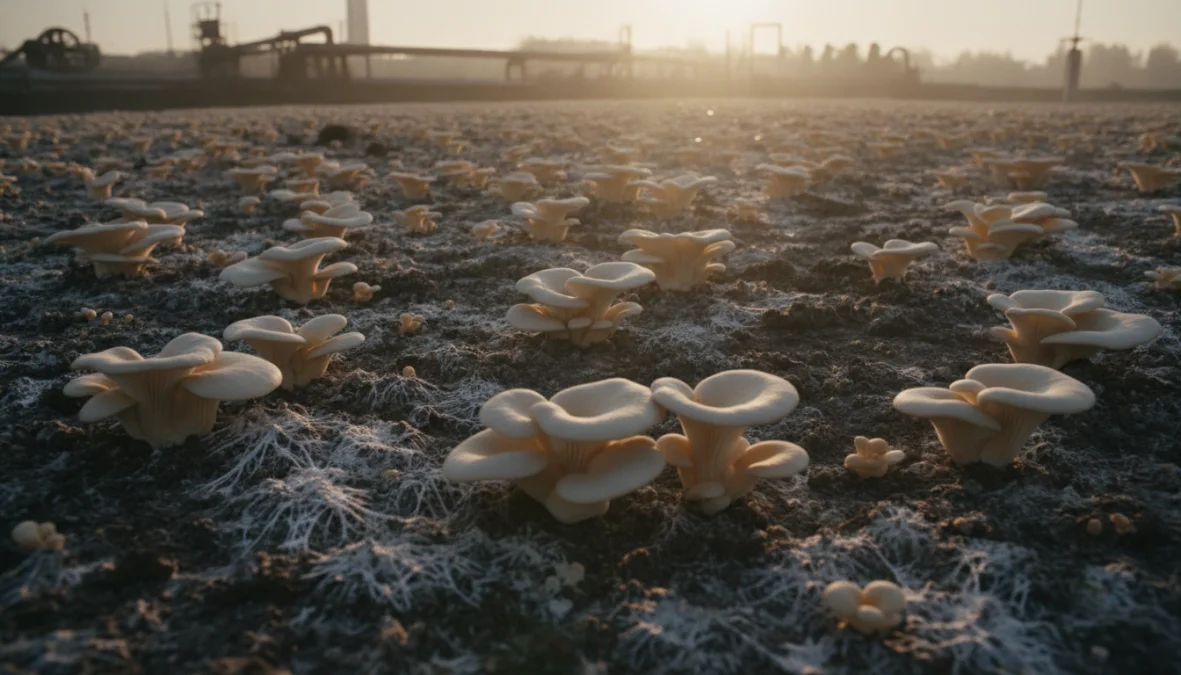
Picture this: a sprawling industrial site, decades of oil contamination seeping into every inch of soil. Traditional cleanup methods would cost millions and take years—yet there’s a natural solution literally growing beneath our feet. Enter mycoremediation, a revolutionary approach where mushrooms and their underground networks do the heavy lifting, breaking down pollutants that have plagued our environment for generations. These remarkable fungi aren’t just decomposers of dead organic matter; they’re nature’s cleanup crew, capable of tackling everything from petroleum spills to heavy metals.
What Is Mycoremediation and How Does It Work?
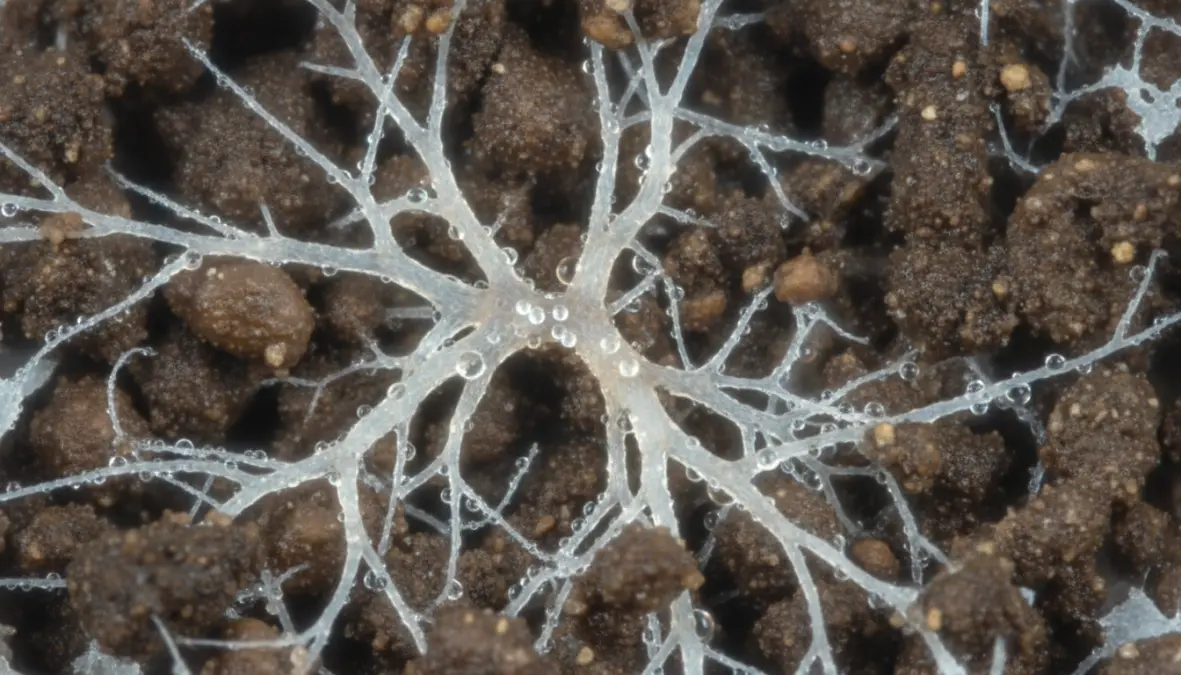
Mycoremediation is the use of fungi to degrade or sequester contaminants in the environment, particularly in soil. This fungal remediation technique harnesses the natural decomposition abilities of mushrooms and their mycelium networks—those thread-like structures that spread through soil like nature’s internet. Unlike traditional methods that often involve excavation or chemical treatments, environmental mycology offers a gentler, more sustainable approach to mycelium cleanup.
The process works through two primary mechanisms: biosorption and biodegradation. Biodegradation involves fungi actually breaking down contaminants into less toxic compounds, while biosorption refers to the mycelium absorbing and concentrating pollutants within its structure. The mycelium acts as both a filter and a chemical factory, secreting powerful enzymes that can dismantle complex toxic molecules that would otherwise persist for decades.
This technique can tackle various contaminants including petroleum products, heavy metals like lead and mercury, pesticides, and industrial chemicals. The beauty of mycoremediation lies in its versatility—different fungal species excel at different cleanup jobs, making it adaptable to specific contamination scenarios.
The Science Behind Fungal Biosorption
At the molecular level, fungal biosorption relies on specialized enzymes that fungi produce naturally. White rot fungi, for instance, produce ligninase and peroxidase enzymes originally designed to break down lignin in wood—one of nature’s toughest organic compounds. These same enzymes can dismantle petroleum hydrocarbons and other pollutants with similar chemical structures.
The mycelium’s massive surface area gives it extraordinary absorption capacity. A single cubic inch of soil can contain up to 8 miles of mycelial threads, creating countless contact points with contaminated soil. During mycology soil treatment, the mycelium doesn’t just passively absorb toxins—it actively transports them through its network, concentrating pollutants in fruiting bodies or breaking them down through enzymatic breakdown into harmless byproducts like carbon dioxide and water.
The critical difference between accumulation and degradation matters enormously. Some fungi simply concentrate metals in their tissues (accumulation), which means the contaminants remain but in a more manageable form. Others actually transform toxic compounds into benign substances (degradation), permanently removing the threat. Much like how regenerative agriculture works with natural systems rather than against them, mycoremediation embraces biological processes for environmental healing.
Types of Contaminants Treated by Mushroom Bioremediation
Mushroom bioremediation has proven effective against a surprisingly diverse range of pollutants, though it’s not a universal solution. Understanding how mushrooms clean contaminated soil requires recognizing which contaminants respond best to fungal treatment.
Petroleum hydrocarbons rank among the most successfully treated pollutants. Oil spills, diesel contamination, and gasoline leaks respond remarkably well to fungal treatment. Mycoremediation techniques for oil spills have shown degradation rates of 50-95% within several months, depending on conditions. The long-chain hydrocarbons in petroleum share structural similarities with lignin, making them vulnerable to fungal enzymes.
Heavy metal contamination presents a different challenge. While fungi can’t break down metals, they excel at bioaccumulation. Using fungi to remove heavy metals from soil involves the mycelium absorbing metals like cadmium, mercury, lead, and arsenic, concentrating them in fruiting bodies that can then be harvested and properly disposed of. This approach reduces soil metal concentrations significantly, though it requires careful handling of the contaminated mushrooms.
Pesticides and herbicides, particularly persistent organic pollutants (POPs), also fall within mycoremediation’s scope. Complex chemicals like DDT, chlordane, and pentachlorophenol can be degraded by specific fungal species. Industrial chemicals including PCBs, dioxins, and certain pharmaceutical residues have shown promising results in laboratory settings, though field applications remain more challenging.
Limitations exist, however. Soil pollution involving radioactive materials, extremely high metal concentrations, or certain synthetic compounds may resist fungal treatment. Temperature extremes, pH imbalances, and soil composition can also hinder effectiveness.
Best Fungal Species for Different Pollutants
Selecting the best mushroom species for soil remediation depends entirely on the contamination type. Pleurotus ostreatus (oyster mushroom) dominates petroleum cleanup projects, demonstrating remarkable ability to degrade diesel, motor oil, and crude oil. Its aggressive growth and robust enzyme production make it ideal for large-scale applications.
Trametes versicolor (turkey tail) excels at breaking down complex industrial chemicals and pesticides, thanks to its particularly potent ligninase enzymes. Stropharia rugosoannulata (garden giant) shows promise for heavy metal absorption, while Phanerochaete chrysosporium effectively tackles chlorinated compounds. Each species brings specialized capabilities to soil decontamination efforts.
Implementing Mycoremediation: From Lab to Field Applications
Bringing mycoremediation from concept to reality requires systematic planning. Site assessment comes first—soil samples determine contamination types, concentrations, and distribution patterns. This data guides species selection and treatment design.
Substrate preparation involves creating optimal conditions for fungal growth. Often this means mixing contaminated soil with carbon-rich materials like wood chips or agricultural waste, adjusting moisture levels, and ensuring adequate aeration. Inoculation follows, introducing spawn (fungal starter culture) throughout the treatment area. Monitoring tracks fungal colonization, contaminant levels, and environmental conditions, typically over several months to years.
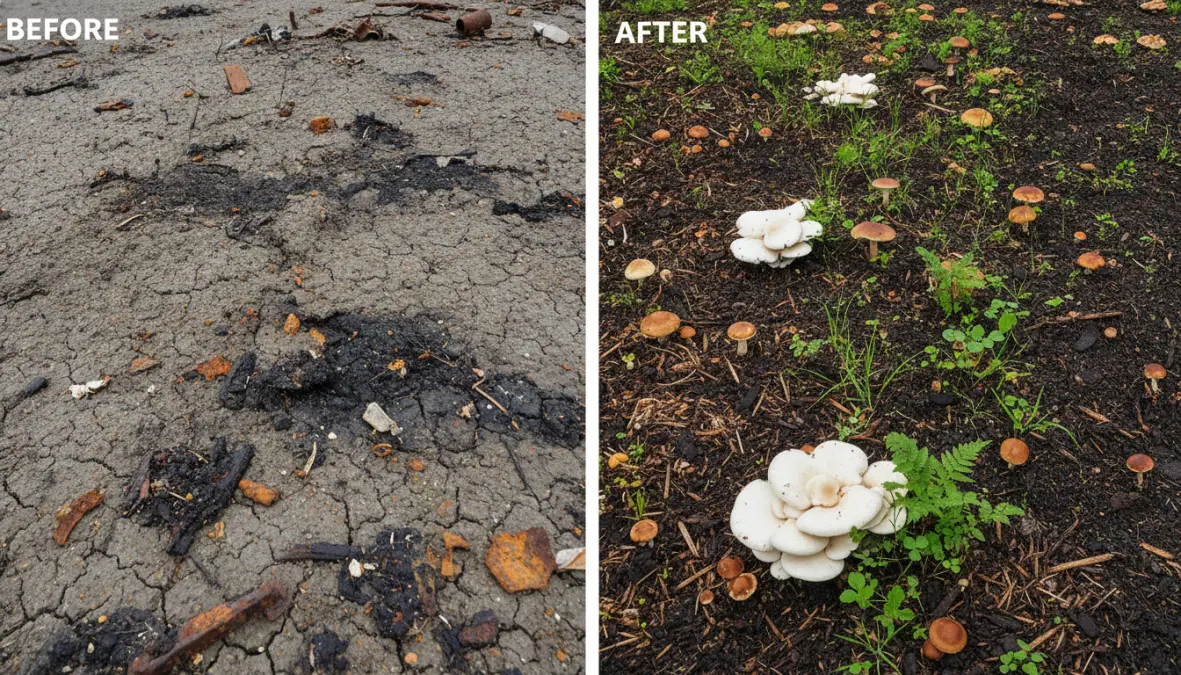
Real-world success stories validate the approach. A diesel-contaminated site in Washington state saw 95% hydrocarbon reduction within 16 weeks using oyster mushrooms. Industrial sites in Europe have employed fungal treatments as cost effective mycoremediation solutions, achieving cleanup at 30-50% the cost of conventional methods. Similar to how the green hydrogen economy offers sustainable alternatives to fossil fuels, mycoremediation provides eco-friendly alternatives to harsh chemical treatments.
Advantages over traditional soil decontamination methods include dramatically lower costs, minimal environmental disruption, no toxic byproducts, and soil improvement through organic matter addition. The process can occur in situ, eliminating expensive excavation and transport. Environmental benefits extend beyond cleanup—mycoremediation actually enhances soil health, unlike methods that sterilize or remove topsoil entirely.
Challenges persist nonetheless. Mycology soil treatment requires patience—while chemical methods might work in weeks, fungal cleanup typically takes months or years. Climate affects growth rates, with cold or extremely dry conditions slowing progress. Scaling from small pilot projects to large contaminated sites demands significant planning. Competition from other microorganisms can sometimes interfere with fungal establishment.
FAQ
How long does mycoremediation typically take?
Treatment duration varies widely based on contamination severity, fungal species, and environmental conditions. Light to moderate petroleum contamination might see significant reduction within 8-16 weeks, while heavy metal accumulation or complex chemical breakdown could require 6-24 months. Temperature, moisture, and soil composition all influence timelines. Ongoing monitoring ensures treatment effectiveness before site closure.
Is it safe to consume mushrooms grown on contaminated soil?
Absolutely not. Mushrooms grown during fungal remediation absorb and concentrate contaminants, making them potentially toxic. These remediation mushrooms must be treated as hazardous waste and disposed of properly. Only mushrooms grown on verified clean substrates should ever be consumed. The fruiting bodies serve as collection points for pollutants—that’s precisely why they’re effective for cleanup but unsafe for eating.
How does mycoremediation compare cost-wise to traditional cleanup methods?
Cost advantages can be substantial. Traditional excavation and disposal might run $150-300 per cubic yard, while chemical treatments cost $50-150 per cubic yard. Mycoremediation typically ranges from $10-50 per cubic yard, depending on scale and complexity. Labor constitutes the primary expense since materials (spawn, substrate) remain relatively inexpensive. Long-term savings multiply when considering reduced environmental damage and improved soil quality post-treatment.
Can mycoremediation work in any climate?
Most fungal species prefer moderate temperatures (55-75°F) and consistent moisture, limiting effectiveness in extreme climates. However, species selection can adapt to local conditions. Some fungi tolerate cooler temperatures, while others handle heat better. Indoor or greenhouse applications can control climate variables. Seasonal timing matters too—spring and fall often provide ideal conditions in temperate zones. Arctic or desert environments present significant challenges requiring specialized approaches.
What success rates have been documented for mycoremediation?
Success rates vary by contaminant type. Petroleum hydrocarbon degradation commonly achieves 50-95% reduction, with some studies reporting near-complete cleanup. Heavy metal removal through bioaccumulation typically reduces soil concentrations by 30-70%. Pesticide breakdown shows 40-80% effectiveness for many compounds. These figures represent controlled studies—field applications sometimes yield lower results due to variable conditions. Properly implemented mushroom bioremediation consistently outperforms no-intervention scenarios and often matches or exceeds conventional methods while maintaining ecological integrity.
As environmental challenges intensify globally—from water scarcity to soil degradation—mycoremediation offers hope grounded in nature’s proven capabilities. These humble fungi, working quietly beneath the surface, demonstrate that sometimes the most powerful solutions grow from the ground up. Whether addressing legacy contamination or preventing future pollution, embracing fungal remediation represents a paradigm shift toward harmonizing human activity with ecological wisdom.