Ecotherapy Techniques: Evidence-Based Nature Interventions for Mental Health
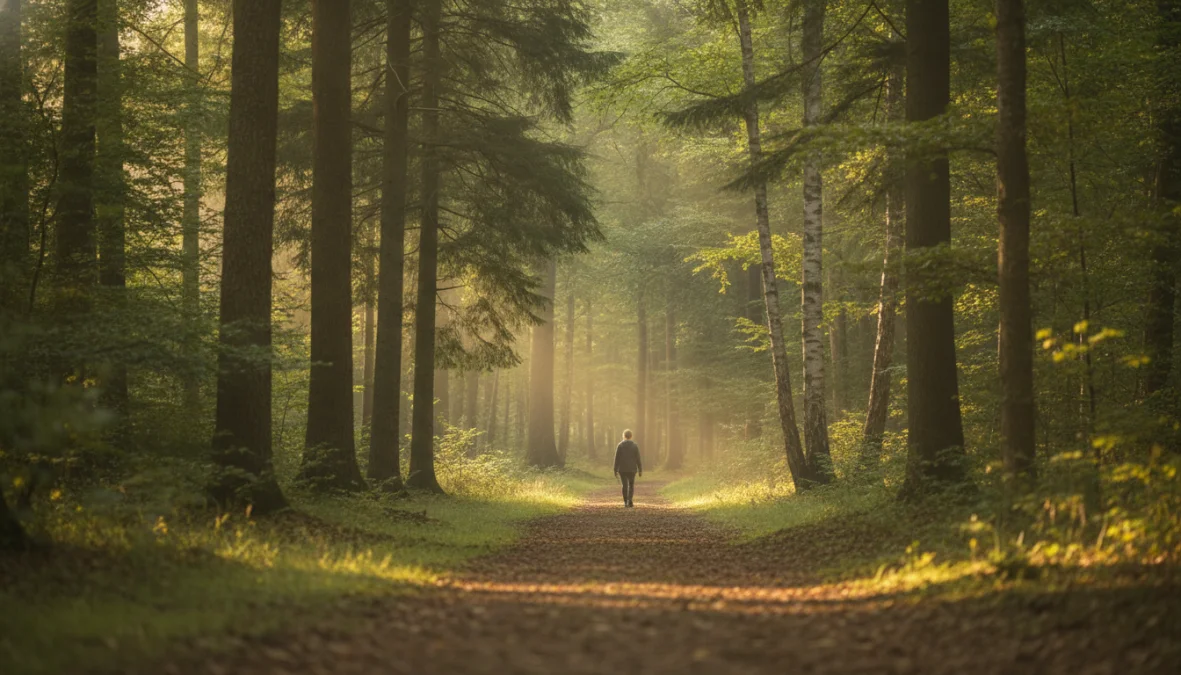
Ever feel like your brain is stuck in overdrive, anxiety buzzing like a relentless alarm? You’re not alone. But here’s something your therapist might not have mentioned yet: the solution could be waiting outside your door. Ecotherapy techniques are emerging as powerful, evidence-based tools for mental health, backed by science and rooted in our fundamental connection to the natural world. From reducing cortisol levels to improving mood disorders, these nature-based interventions are proving that sometimes the best medicine doesn’t come in a bottle—it comes from a forest, garden, or wilderness trail.
Understanding Ecotherapy: How Nature-Based Interventions Support Mental Health
Ecotherapy techniques refer to therapeutic practices that intentionally incorporate nature and outdoor environments to improve psychological well-being. Unlike traditional talk therapy confined to clinical settings, nature therapy mental health approaches recognize that our evolutionary history has wired us to respond positively to natural environments—a concept known as the biophilia hypothesis.
The science is compelling. Research published in Environmental Science & Technology found that just five minutes of green exercise can improve mood and self-esteem. Meanwhile, studies examining attention restoration theory demonstrate that natural settings help replenish depleted cognitive resources, particularly useful for our overstimulated modern minds. One landmark study showed that hospital patients with views of trees recovered faster and required less pain medication than those facing brick walls.
The physiological changes are measurable: nature-based interventions reduce cortisol (the stress hormone), lower blood pressure, decrease heart rate variability, and even boost immune function. For people experiencing what environmental psychologist Richard Louv termed nature deficit disorder—essentially the psychological cost of disconnection from nature—these interventions address a fundamental imbalance in how we live today.
Evidence-Based Ecotherapy Techniques and Their Mental Health Benefits
Let’s get practical. What specific ecotherapy techniques actually work, and what does the research say? Here are the most evidence-supported approaches currently transforming mental health treatment.
Forest Bathing (Shinrin-Yoku) and Mindful Nature Walking
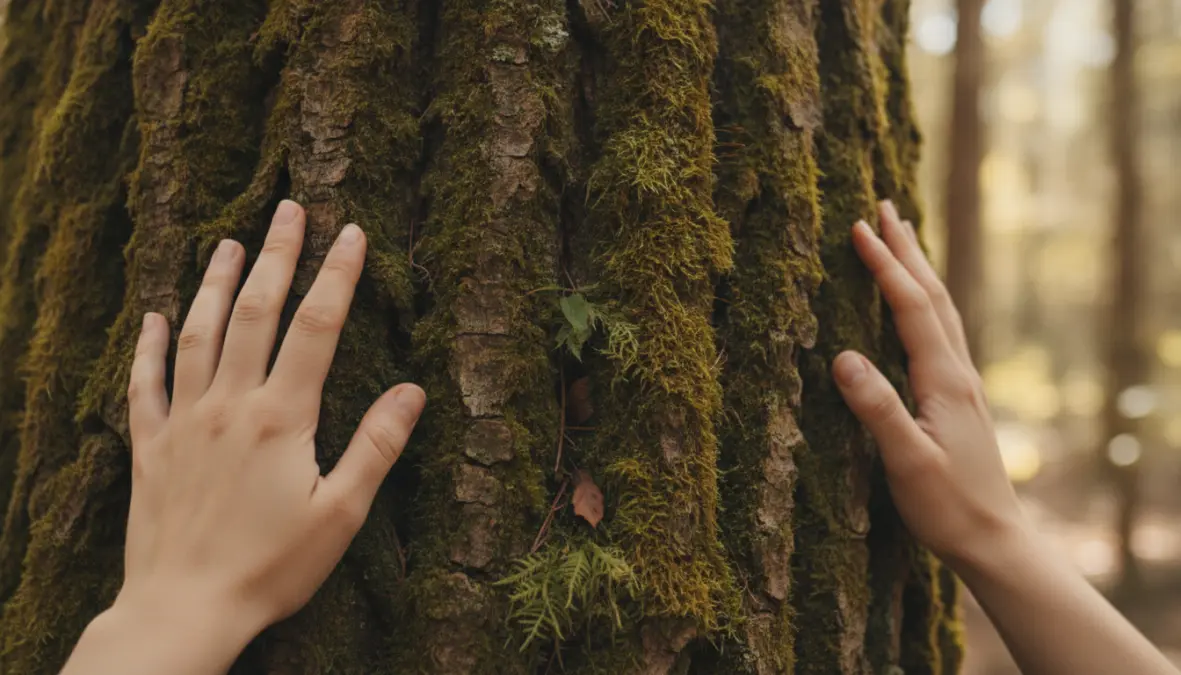
Originating in Japan in the 1980s, shinrin-yoku literally means “forest bathing”—and no, you don’t need a swimsuit. This practice involves mindfully immersing yourself in a forest environment using all your senses. The protocol is simple but specific: spend at least two hours walking slowly through wooded areas, focusing on sensory experiences rather than fitness goals.
The benefits of forest bathing for mental wellness are extensively documented. Japanese studies found that forest environments reduce cortisol by 12-16%, decrease pulse rate, and lower blood pressure. Perhaps most remarkably, phytoncides (antimicrobial compounds released by trees) have been shown to boost natural killer cell activity, strengthening immune function for up to 30 days after a single forest session. For anxiety and depression, forest bathing functions as one of the most accessible evidence based ecotherapy for anxiety and depression techniques available. These outdoor therapy sessions work best when practiced for 2-4 hours monthly, though even 20-minute sessions show measurable stress reduction.
Horticultural Therapy and Wilderness Programs
Horticultural therapy involves structured therapeutic activities using plants and gardening. It’s not just recreational gardening—it’s a clinical intervention facilitated by trained therapists. Research shows significant benefits for depression, PTSD, and anxiety disorders. The combination of gentle physical activity, nurturing living things, and seeing tangible results (literally watching something grow) provides multiple therapeutic pathways. Veterans’ programs using horticultural therapy have reported notable improvements in PTSD symptoms and social reintegration.
Wilderness therapy programs take a more immersive approach, typically involving multi-day or multi-week expeditions. These structured programs combine traditional therapeutic techniques with wilderness experiences, often incorporating challenge activities and group dynamics. They’ve proven particularly effective for adolescents struggling with behavioral issues, substance abuse, and depression. A meta-analysis found wilderness therapy resulted in significant improvements that were maintained at follow-up, though these intensive programs require professional facilitation and aren’t suitable for acute mental health crises.
Other Nature-Based Therapeutic Approaches
The landscape of green therapy techniques extends far beyond forests and gardens. Here are additional approaches gaining evidence-based support:
- Eco-art therapy: Creating art using natural materials in outdoor settings, combining creative expression with nature connection
- Animal-assisted therapy in natural environments: Interacting with animals in their natural habitats or farm settings, particularly effective for autism spectrum disorders and attachment issues
- Green exercise: Any physical activity performed in natural environments—research shows it’s significantly more beneficial for mental health than indoor exercise
- Nature meditation and mindfulness: Outdoor mindfulness exercises for anxiety that use natural sounds, sights, and sensations as focal points
- Conservation activities as therapy: Volunteering for environmental restoration projects provides purpose, physical activity, and nature connection simultaneously
Similar to how somatic therapy works with body-based healing, these approaches recognize that mental health recovery involves more than cognitive processing alone.

Implementing Ecotherapy Techniques: Practical Guidelines and Considerations
Ready to try ecotherapy techniques for stress reduction? Here’s how to get started effectively and safely.
Finding qualified practitioners is your first step. Look for therapists certified through organizations like the International Association of Nature and Forest Therapy Guides, or horticultural therapists registered with the American Horticultural Therapy Association. Many traditional psychotherapists now offer outdoor therapy sessions as an adjunct to their practice—ask your current provider if they’re open to walk-and-talk sessions in nearby therapeutic landscapes.
For self-guided practice, research suggests consistency matters more than duration. The emerging field of nature prescription programs for mental health—where doctors literally prescribe time in nature—typically recommends at least 120 minutes per week in natural settings for optimal mental health benefits. This can be broken into smaller sessions: even 20 minutes daily shows measurable effects.
Practical considerations include accessibility (not everyone has immediate access to wilderness), seasonal variations (winter ecotherapy requires adaptation), and physical limitations (many ecotherapy activities for depression treatment can be modified for different mobility levels—even views of nature from windows provide benefits). Urban dwellers can access benefits through city parks, community gardens, or even indoor plant care as a starting point.
Cost varies dramatically. Self-guided practices like forest bathing or nature walks are free, while structured wilderness therapy programs can cost thousands. Most health insurance doesn’t yet cover ecotherapy specifically, though sessions led by licensed mental health professionals may be covered as standard therapy. Integration with traditional treatments is not only possible but often recommended—think of ecotherapy as complementary to, not replacement for, conventional approaches. Much like neuroplasticity exercises, these techniques work best as part of a comprehensive mental health strategy.
Contraindications are minimal but worth noting: severe allergies, extreme weather sensitivity, or acute psychiatric conditions requiring close supervision may limit certain outdoor interventions. Always consult with healthcare providers before making major changes to treatment plans.
The beauty of ecotherapy is its accessibility and simplicity. We’ve engineered ourselves into indoor, disconnected lives, and we’re paying the psychological price. These evidence based ecotherapy for anxiety and depression techniques offer a path back to our evolutionary roots, supported by rigorous science and increasingly recognized by mental health professionals. Whether you’re dealing with chronic stress, clinical depression, or just the modern malaise of constant digital distraction, nature-based interventions offer a research-backed pathway to better mental health. Why not step outside and see for yourself? Your brain—and the rewilding natural world—might be exactly what you’ve been searching for.