Dopamine Detox: Does Limiting Pleasure Actually Reset Your Brain?

Scrolling endlessly through TikTok, binge-watching Netflix until 3 AM, demolishing a family-size bag of chips in one sitting—sound familiar? Welcome to the age of dopamine overload, where some wellness influencers claim the solution is a “dopamine detox.” The idea? Cut out all pleasurable activities for a set period to “reset” your brain’s reward system. But does limiting pleasure actually work, or is this just another overhyped internet trend wrapped in pseudo-neuroscience?
What Is Dopamine Detox and Why It Became Popular
The term dopamine detox exploded across social media platforms, with millions of videos showing people sitting in dark rooms, staring at walls, avoiding phones, food, music, and basically anything remotely enjoyable. The concept originated from Dr. Cameron Sepah, a clinical psychologist who proposed dopamine fasting as a cognitive-behavioral technique to reduce impulsive behaviors—not literally to “detox” dopamine.
However, the internet did what it does best: took a nuanced concept and ran it into extreme territory. The popularized version involves a complete pleasure restriction—no social media, no junk food, no gaming, no pornography, no music, sometimes even no conversations. It’s essentially a digital detox on steroids, marketed as a dopamine cleanse that promises to “reset” your brain after years of instant gratification.
Why did it go viral? Our modern lifestyle genuinely does involve unprecedented levels of stimulation. Between notifications pinging every thirty seconds and algorithms designed to hijack our attention, many people feel trapped in cycles of compulsive behavior. The promise of a simple solution—just stop everything pleasurable for 24-48 hours—sounds appealing when you’re struggling with what feels like dopamine overload. If you’ve ever found yourself mindlessly scrolling for hours, understanding the psychology behind these habits can offer valuable context.
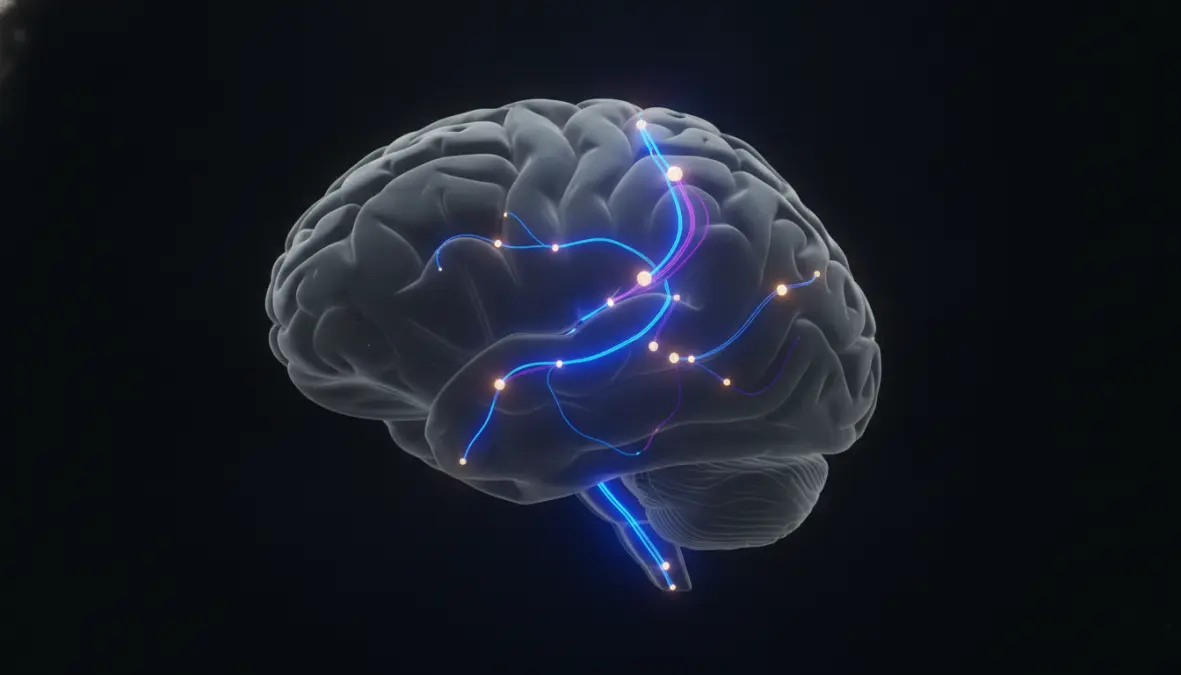
The Science: What Actually Happens to Dopamine in Your Brain
Here’s where things get messy: the popularized version of dopamine detox fundamentally misunderstands how dopamine works. Dopamine isn’t the “pleasure chemical”—it’s actually a neurotransmitter involved in the reward system, motivation, and anticipation. It’s what makes you want things, not necessarily what makes you enjoy them once you get them.
You can’t actually “reset” or “detox” dopamine like you’re flushing toxins from your liver. Your brain constantly produces dopamine—it’s essential for movement, motivation, and basic functioning. What can happen is hedonic adaptation and receptor desensitization. When you’re constantly bombarded with high-stimulus activities, your brain’s receptors can become less sensitive, requiring more stimulation to feel the same reward. This is the mechanism behind behavioral addiction.
The mesolimbic pathway—your brain’s reward circuit—doesn’t need a “detox,” but it can benefit from recalibration. The science behind neuroplasticity suggests that changing your behaviors can reshape neural pathways over time. However, this isn’t an overnight process requiring extreme deprivation. Research on neurotransmitter regulation shows that sustainable behavioral changes work better than dramatic restrictions.
Does Limiting Pleasure Actually Work?
So, does dopamine detox actually work? The answer is complicated. There’s limited peer-reviewed research specifically on “dopamine detox” as practiced on social media. However, there is evidence supporting elements of the approach:
- Stimulus control can help break compulsive patterns
- Taking breaks from addictive behaviors allows for reflection and awareness
- Reducing high-intensity stimulation may help restore sensitivity to smaller rewards
- Structured breaks can interrupt automatic behavior loops
The benefits people report—dopamine detox before and after results showing improved focus, reduced anxiety, better sleep—likely aren’t from “resetting dopamine.” Instead, they’re probably experiencing the benefits of mindfulness, reduced screen time, better sleep hygiene, and breaking compulsive habits. In other words, it’s the digital detox component that helps, not the dopamine mythology. For those interested in optimizing overall health through evidence-based methods, exploring science-backed biohacking techniques might be more effective.
The risks? Extreme restriction can create an unhealthy relationship with pleasure, potentially leading to binge-restriction cycles. It can also oversimplify genuine addiction issues that require professional treatment, not a weekend of sitting in silence.

Practical Approach: Evidence-Based Alternatives to Extreme Dopamine Fasting
If you’re genuinely struggling with compulsive behaviors or feel overwhelmed by constant stimulation, there are more balanced approaches than extreme dopamine fasting. Here’s how to do a dopamine detox correctly—or rather, how to achieve similar benefits without the neuroscience oversimplification:
Structured Digital Detox: Instead of eliminating all pleasure, try targeted breaks from specific problematic behaviors. Set phone-free hours, use app limiters, or try a weekend without social media. Research on digital detox effectiveness shows that structured approaches work better than all-or-nothing restrictions.
Gradual Reduction: Identify your most compulsive behaviors and reduce them incrementally. If you’re gaming six hours daily, try cutting to four, then three. Gradual change is more sustainable and less likely to trigger rebound effects.
Substitute High-Stimulation with Low-Stimulation Activities: Replace scrolling with reading, gaming with hiking, or junk food binges with cooking. This isn’t about eliminating pleasure—it’s about diversifying your reward sources and reducing dependence on hyper-stimulating activities.
Mindfulness and Awareness: Pay attention to why you engage in certain behaviors. Are you bored? Anxious? Avoiding something? Understanding triggers helps address root causes rather than just symptoms.
Know When to Seek Professional Help: If you’re struggling with genuine addiction—whether behavioral or chemical—internet wellness trends aren’t a substitute for professional treatment. Therapists specializing in addiction can provide evidence-based interventions tailored to your situation.
Quality sleep also plays a crucial role in regulating reward systems and reducing impulsive behavior. Understanding how your chronotype affects your brain function can help you optimize your daily routines for better self-regulation.
FAQ
How long should a dopamine detox last?
There’s no scientific consensus because “dopamine detox” isn’t a clinically defined intervention. Dr. Sepah’s original dopamine fasting suggested intermittent breaks (one day weekly or quarterly). If you’re doing a digital detox, even 24 hours can provide benefits. For lasting change, focus on sustainable habit modifications rather than temporary extreme restrictions.
Can dopamine detox help with phone addiction?
The underlying principle—taking breaks from compulsive phone use—can definitely help. However, it’s the behavioral change and stimulus control, not “dopamine resetting,” that makes the difference. Combine breaks with strategies like app limits, notification management, and replacing phone time with other activities for best results.
Is dopamine fasting scientifically proven?
The extreme version promoted on social media is not backed by rigorous peer-reviewed research. However, the components—behavioral addiction treatment, stimulus control, mindfulness, and reducing compulsive behaviors—all have scientific support. Think of it as repackaged cognitive-behavioral techniques rather than a novel neuroscience breakthrough.
What are the side effects of dopamine detox?
Extreme versions can lead to increased anxiety, social isolation, or unhealthy relationships with pleasure. Some people experience rebound effects, bingeing on restricted activities afterward. If you have underlying mental health conditions, sudden lifestyle changes without professional guidance can be counterproductive. The key is balance—moderation beats extremism.
The bottom line? You don’t need to sit in a dark room avoiding all pleasure to improve your relationship with technology, food, or entertainment. Understanding the actual science behind your brain’s reward system empowers you to make informed changes without falling for oversimplified trends. Small, sustainable adjustments to reduce compulsive behaviors will serve you better than any dramatic “brain reset” promise—because your brain doesn’t need detoxing, it needs healthier habits.