Epigenetics Lifestyle: How Your Daily Habits Shape Gene Expression
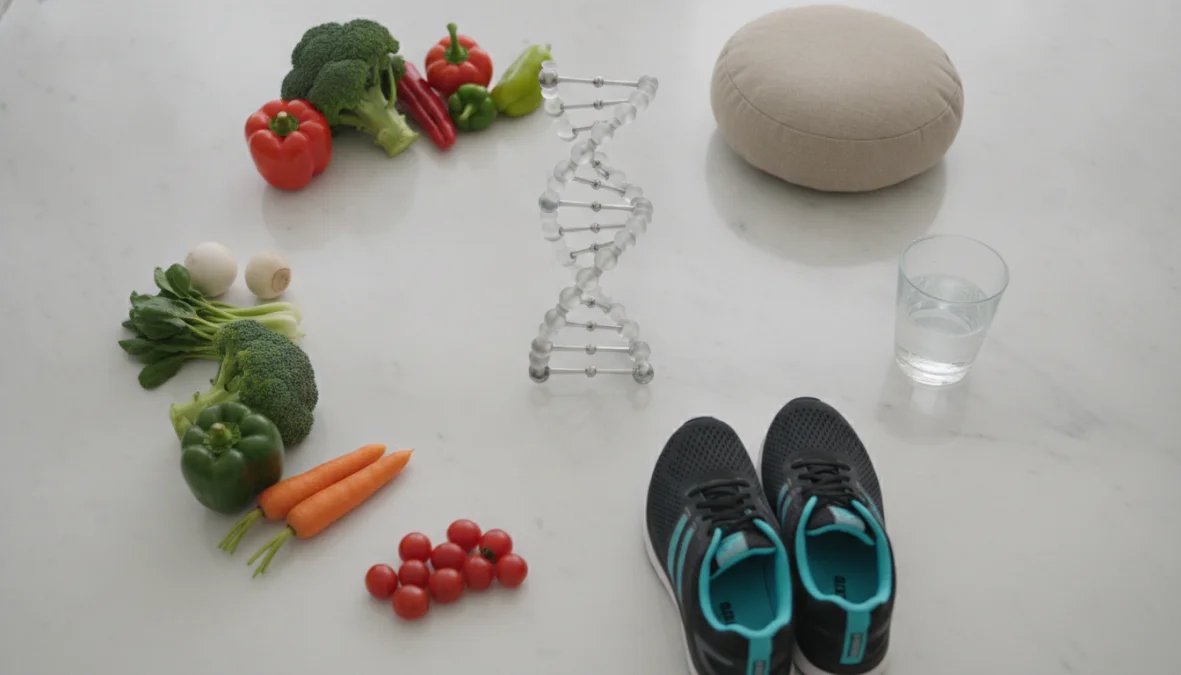
Ever wondered if your morning coffee ritual, late-night Netflix binges, or weekend workout sessions are doing more than just affecting your mood? Turns out, they might be literally rewriting how your genes behave. Welcome to the fascinating world of epigenetics lifestyle—where your daily choices become molecular messengers that tell your DNA which instructions to follow and which to ignore. Unlike the genetic lottery you inherited from your parents, this is one game where you hold most of the cards.
What Is Epigenetics and Why Your Lifestyle Matters
Let’s clear up a common confusion first: genetics is the deck of cards you’re dealt at birth, while epigenetics is how you play that hand. Your DNA sequence remains largely unchanged throughout your life, but epigenetic changes determine which genes get switched on or off, turned up or down. Think of it like a massive control panel where certain switches regulate gene expression regulation without altering the underlying blueprint.
The two main mechanisms driving this process are DNA methylation—where chemical tags attach to your DNA like sticky notes marking certain genes as “do not read”—and histone modification, which changes how tightly DNA is wrapped around proteins, making some sections more or less accessible. These aren’t permanent tattoos on your genome; they’re more like pencil marks that can be erased and rewritten based on signals from your environment and behaviors.
Here’s where your epigenetics lifestyle comes into play: every meal you eat, every stressful deadline you navigate, every run you take sends biochemical signals that influence these epigenetic markers. This means you’re not a passive recipient of your genetic fate—you’re an active participant in determining how those genes express themselves. Some research even suggests these modifications can be passed down through transgenerational inheritance, meaning your lifestyle choices might echo into future generations.

How Daily Habits Create Epigenetic Changes
The relationship between lifestyle and genetics isn’t abstract science—it’s playing out in your cells right now. Environmental epigenetics examines how external factors create epigenetic modifications, while behavioral epigenetics focuses specifically on how your actions influence these changes. Let’s break down the heavy hitters.
Nutrition and Diet Patterns
Your fork is essentially an epigenetic tool. Nutrients like folate, vitamin B12, choline, and betaine are directly involved in DNA methylation lifestyle processes, acting as methyl donors that fuel the chemical reactions tagging your DNA. A deficiency in these nutrients can lead to irregular methylation patterns that may increase disease risk.
The emerging field of nutrigenomics reveals how daily habits affect gene expression through food. Polyphenols found in green tea, blueberries, and dark chocolate can modify histone marks and influence chromatin remodeling. Cruciferous vegetables like broccoli contain sulforaphane, which affects genes involved in detoxification and inflammation. The Mediterranean diet, rich in omega-3s, olive oil, and vegetables, has been shown to create favorable epigenetic profiles associated with longevity and reduced chronic disease.
Intermittent fasting represents another powerful example of diet induced epigenetic modifications. Caloric restriction and time-restricted eating can activate sirtuins—proteins that regulate cellular differentiation and stress resistance—through epigenetic pathways. This isn’t about trendy diets; it’s about understanding that when and what you eat sends specific instructions to your genome. For those interested in how sustainable food practices intersect with health, check out our article on regenerative agriculture, which produces nutrient-dense foods that may offer superior epigenetic benefits.

Exercise, Sleep, and Stress Management
Physical activity doesn’t just build muscle—it remodels your epigenome. Regular exercise influences histone modification and DNA methylation in ways that enhance metabolic health, cognitive function, and inflammation control. Even a single workout can trigger epigenetic changes in muscle tissue that improve glucose metabolism. Can lifestyle changes alter gene expression? Absolutely, and exercise provides some of the most dramatic examples.
Sleep is when your cellular housekeeping crew gets to work, and this includes epigenetic maintenance. Poor sleep quality disrupts the circadian clock genes through epigenetic dysregulation, creating cascading effects on metabolism, immunity, and mental health. Consistent sleep schedules support proper transcriptional regulation of thousands of genes involved in repair and regeneration.
Chronic stress represents one of the most damaging influences on your epigenome. When you’re constantly in fight-or-flight mode, how stress affects gene expression becomes critical: elevated cortisol alters methylation patterns on genes regulating inflammation and immune response. The good news? Mindfulness meditation, yoga, and breathing exercises have been shown to reverse some of these harmful changes, demonstrating that reversing epigenetic changes through lifestyle is genuinely possible. This mind-body connection reflects broader shifts in how younger generations approach wellness—similar to how Gen Z prioritizes holistic success over traditional metrics.
Implementing an Epigenetics-Friendly Lifestyle
Understanding epigenetics lifestyle principles is one thing; actually living them is another. The key is consistency over perfection. Start by identifying what lifestyle factors influence epigenetics most in your current routine. Are you chronically sleep-deprived? Is your diet heavy on processed foods? Do you move your body regularly?
Prioritize changes based on impact and sustainability. If you’re eating fast food daily, switching to whole foods rich in methyl-donor nutrients will likely create more significant epigenetic shifts than perfecting your meditation practice. If you’re sedentary, adding 30 minutes of moderate exercise most days will trigger beneficial modifications in multiple systems.
Here’s a realistic timeline: some epigenetic changes occur within hours (acute exercise responses), while others develop over weeks to months (dietary pattern shifts affecting methylation). Environmental factors matter too—reducing exposure to endocrine disruptors in plastics, choosing organic produce when possible to minimize pesticide exposure, and improving indoor air quality all support healthier gene expression regulation.
Remember that phenotypic plasticity—your body’s ability to adapt gene expression to environmental conditions—is a feature, not a bug. You’re designed to respond to your environment. The question is whether you’re creating conditions that turn on genes associated with health and longevity or those linked to inflammation and disease.
The most empowering aspect of epigenetics? It returns agency to you. While you can’t rewrite your genetic code, you can absolutely influence which chapters get read aloud. Every healthy meal, good night’s sleep, and stress-management session is a vote for the version of yourself encoded in beneficial gene expression patterns. Your lifestyle isn’t just about feeling good today—it’s about programming your biology for tomorrow, and possibly even leaving healthier epigenetic marks for generations to come. That’s not just science; that’s power worth claiming.