Smart Grid Technology: How AI Optimizes Electricity Distribution Networks
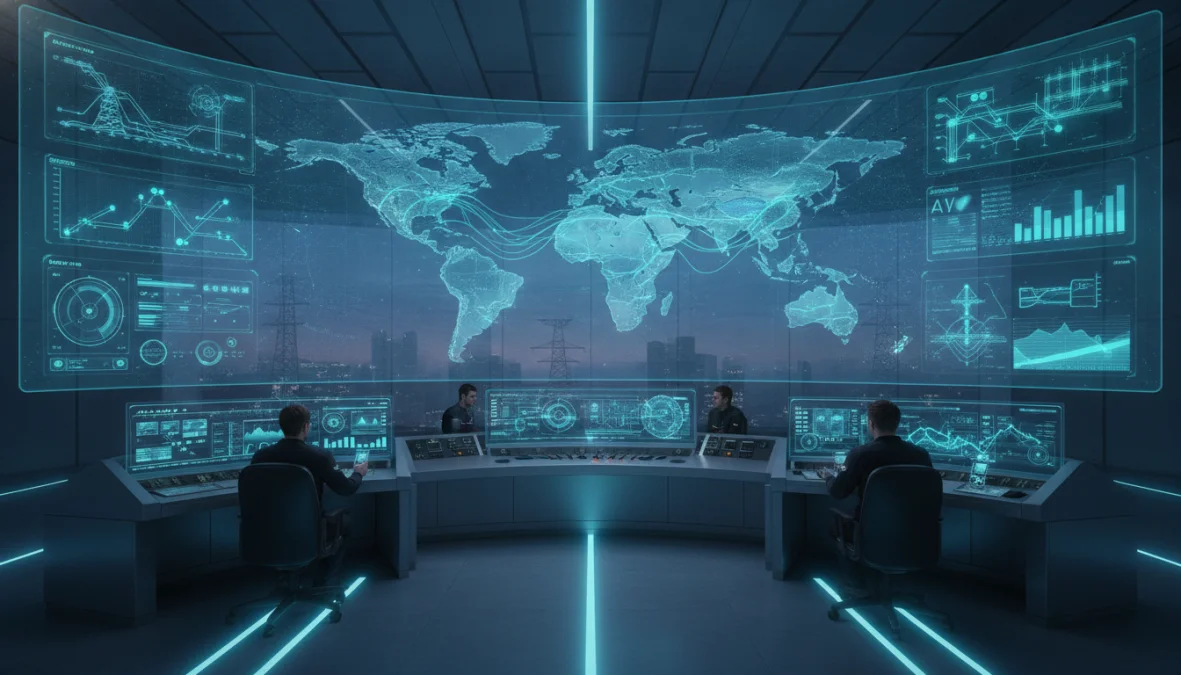
Picture this: your city’s power grid automatically rerouting electricity during a storm, predicting equipment failures before they happen, and seamlessly integrating solar panels from thousands of rooftops—all without human intervention. That’s not science fiction; it’s smart grid technology powered by artificial intelligence, and it’s revolutionizing how we distribute and consume electricity right now.
Traditional power grids were designed for one-way traffic: electricity flows from centralized power plants to consumers. But as we add more renewable energy sources, electric vehicles, and distributed generation, this old model becomes increasingly inadequate. Enter AI-powered smart grids, the intelligent nervous system our energy infrastructure desperately needs.
Understanding Smart Grid Technology and AI Integration
So what exactly is smart grid technology? Think of it as upgrading from a landline telephone to a smartphone—same basic function, vastly different capabilities. A smart grid uses digital technology, IoT sensors, and two-way communication to monitor and manage electricity flow in real-time. Unlike traditional grids that operate blindly, smart grids know what’s happening at every node.
The integration of AI in smart grid systems is what truly unlocks their potential. These smart energy systems generate massive amounts of data—from weather patterns and consumption trends to equipment performance and grid conditions. Without AI, this data deluge would be overwhelming. But with machine learning algorithms, utilities can extract actionable insights and automate complex decisions in milliseconds.
Key components of modern smart grids include advanced metering infrastructure (those smart meters on your house), intelligent sensors throughout the distribution network, automated switches and transformers, and sophisticated software platforms that tie everything together. The intelligent energy management capabilities come from AI algorithms that continuously analyze this ecosystem, learning patterns and optimizing operations. Similar to how digital twin technology creates virtual replicas of physical systems, AI creates predictive models of grid behavior.
How AI Optimizes Electricity Distribution in Smart Grids
The real magic happens when AI tackles the incredibly complex challenge of electricity distribution optimization. Modern grids must balance supply and demand instantaneously while managing intermittent renewable sources, unpredictable consumption patterns, and maintaining stability across vast networks. Here’s how AI in smart grid applications makes this possible.
Predictive Maintenance and Fault Detection
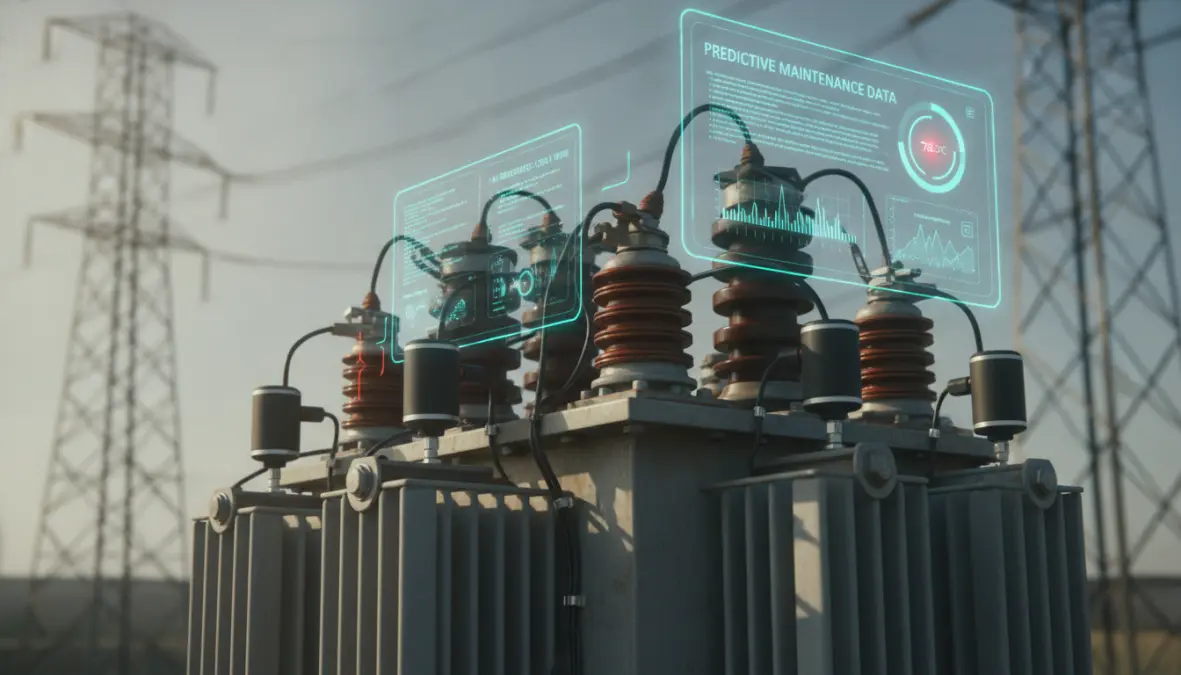
One of the most valuable smart grid AI applications is predicting equipment failures before they occur. Traditional utilities rely on scheduled maintenance or wait for things to break—both expensive and inefficient approaches. AI changes this completely.
Machine learning in power grid optimization analyzes data from sensors monitoring transformers, circuit breakers, and transmission lines. These algorithms detect subtle patterns invisible to human operators: a gradual temperature increase in a transformer, unusual vibration patterns in a generator, or microscopic changes in voltage that signal deteriorating insulation.
By identifying these anomalies early, utilities can schedule maintenance proactively, avoiding costly outages and extending equipment lifespan. Some utilities report reducing unplanned downtime by up to 30% using AI-powered predictive maintenance. That translates to millions in savings and significantly improved reliability for customers.
Demand Forecasting and Load Balancing
Perhaps the most critical challenge in automated power distribution is matching supply with demand in real-time. This becomes exponentially harder with renewable energy integration—solar panels produce power when the sun shines, wind turbines when wind blows, neither on a predictable schedule.
AI excels at demand response and load balancing by analyzing countless variables: historical consumption patterns, weather forecasts, time of day, local events, even social media trends. How AI optimizes smart grid performance becomes apparent when you see these systems predicting demand spikes hours in advance, allowing utilities to adjust generation or tap into distributed energy resources.
Real-time energy distribution with AI also enables dynamic pricing and demand response programs. When the grid is stressed, AI can automatically adjust thermostats in participating buildings, shift industrial loads to off-peak times, or discharge energy storage systems. This intelligent orchestration maintains grid stability while minimizing costs and emissions.
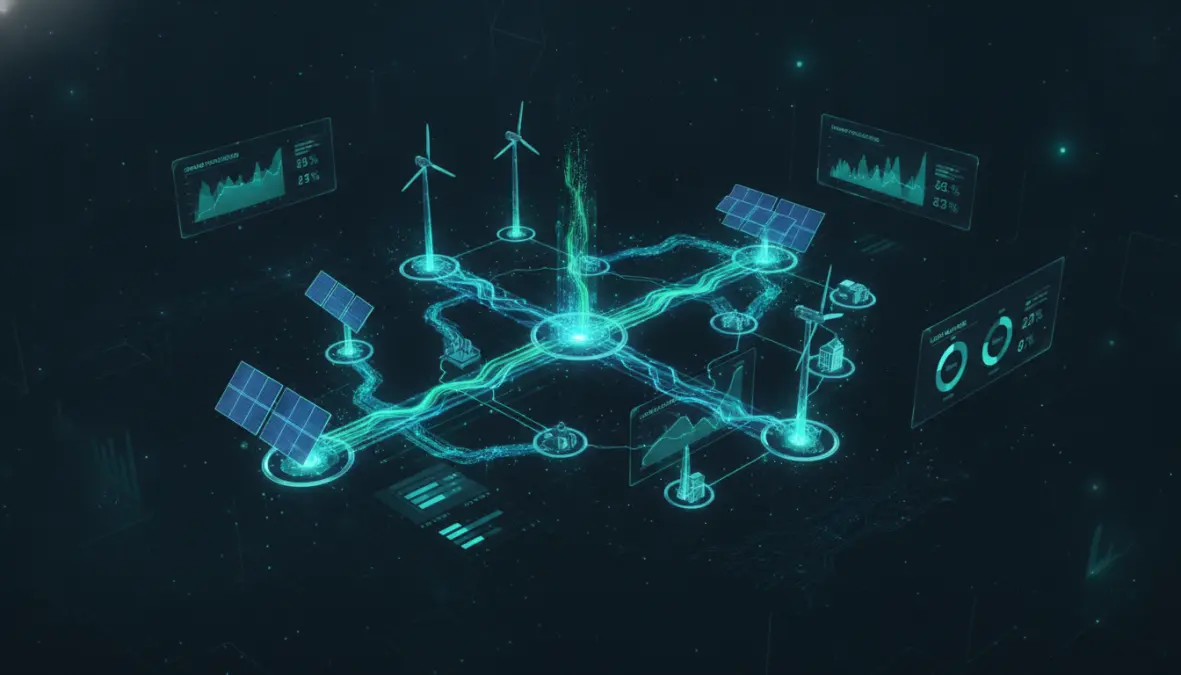
The integration of renewable energy integration becomes smoother too. AI algorithms forecast solar and wind production, coordinate charging for electric vehicle fleets, and manage virtual power plants composed of thousands of small generators. This level of coordination would be impossible without artificial intelligence for electricity distribution.
Benefits and Future of Grid Modernization Technology
The smart grid technology benefits for utilities and consumers are substantial and growing. Utilities report operational cost reductions of 10-20% through improved efficiency and reduced equipment failures. Energy efficiency gains come from minimizing transmission losses, optimizing voltage levels, and eliminating waste throughout the distribution network.
For consumers, smart grids mean fewer outages, lower electricity costs, and easier integration of rooftop solar or home batteries. Some utilities now offer AI-powered demand response in smart grids programs where customers earn credits for allowing automated adjustments during peak periods—managed so subtly you barely notice.
Environmental benefits are equally impressive. Better renewable energy integration means less reliance on fossil fuel peaker plants, while overall system efficiency reduces total generation requirements. Some regions have cut grid-related CO2 emissions by 15% or more through grid modernization technology.
Of course, challenges remain. Cybersecurity is paramount—a hacked power grid could be catastrophic. The initial investment for modernization is substantial, though it typically pays for itself within a decade. Ensuring interoperability between different systems and vendors requires ongoing standardization efforts. Much like microgrids operating independently, smart grid components must work seamlessly together.
Looking forward, the future of intelligent energy management is incredibly promising. Edge computing will push AI processing closer to the grid’s edge, enabling faster responses. Advanced predictive analytics will get even better at forecasting and optimization. Blockchain technology might enable peer-to-peer energy trading between neighbors with solar panels. And as ambient computing becomes more prevalent, our entire built environment will participate in intelligent energy management.
The transformation of electricity infrastructure through smart grid technology and AI isn’t just about modernizing equipment—it’s about fundamentally reimagining how we generate, distribute, and consume energy. As renewable sources proliferate and climate challenges intensify, these intelligent systems become not just beneficial but essential. The grid of the future isn’t just smarter; it’s the foundation for a sustainable energy ecosystem that adapts in real-time to our needs and our planet’s limits. And that future is being built right now, one AI-optimized kilowatt at a time.