Vehicle-to-Grid Technology: How EVs Are Becoming Mobile Energy Storage Solutions
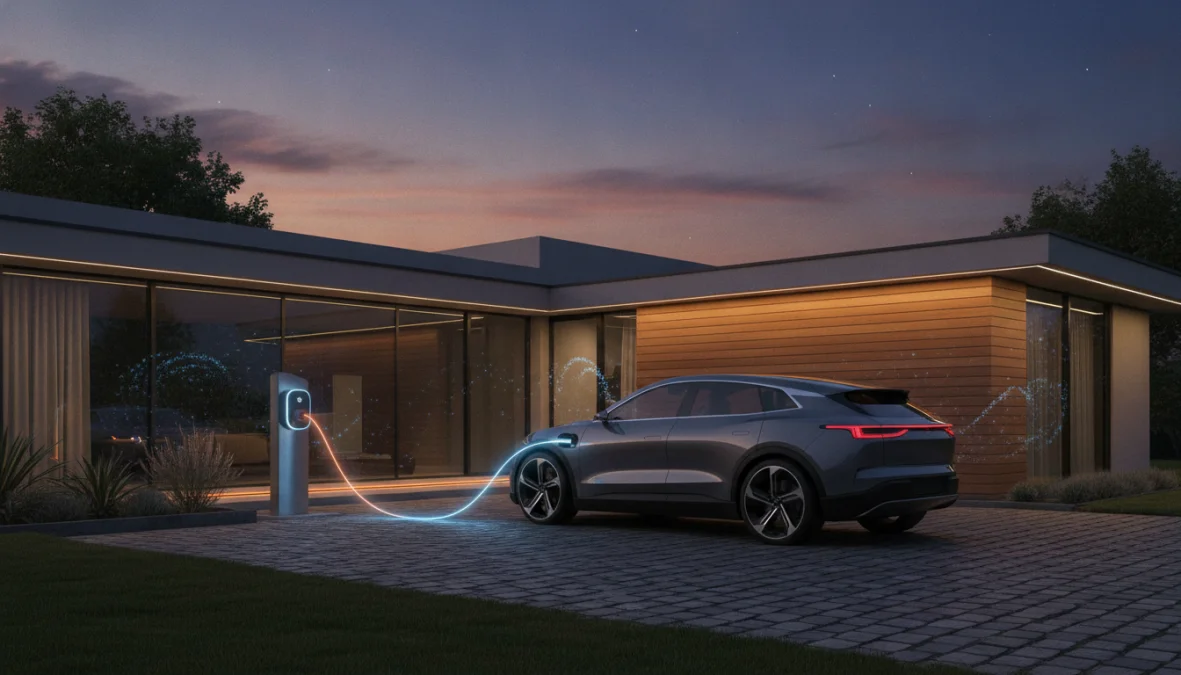
Picture this: your electric car sitting in the driveway, not just charging up for tomorrow’s commute, but actually selling electricity back to the grid while you sleep. Sounds like science fiction? It’s not. Welcome to the world of vehicle to grid technology, where your EV transforms from a simple mode of transportation into a mobile power plant that could help stabilize our entire electrical infrastructure.
What Is Vehicle-to-Grid Technology and How Does It Work
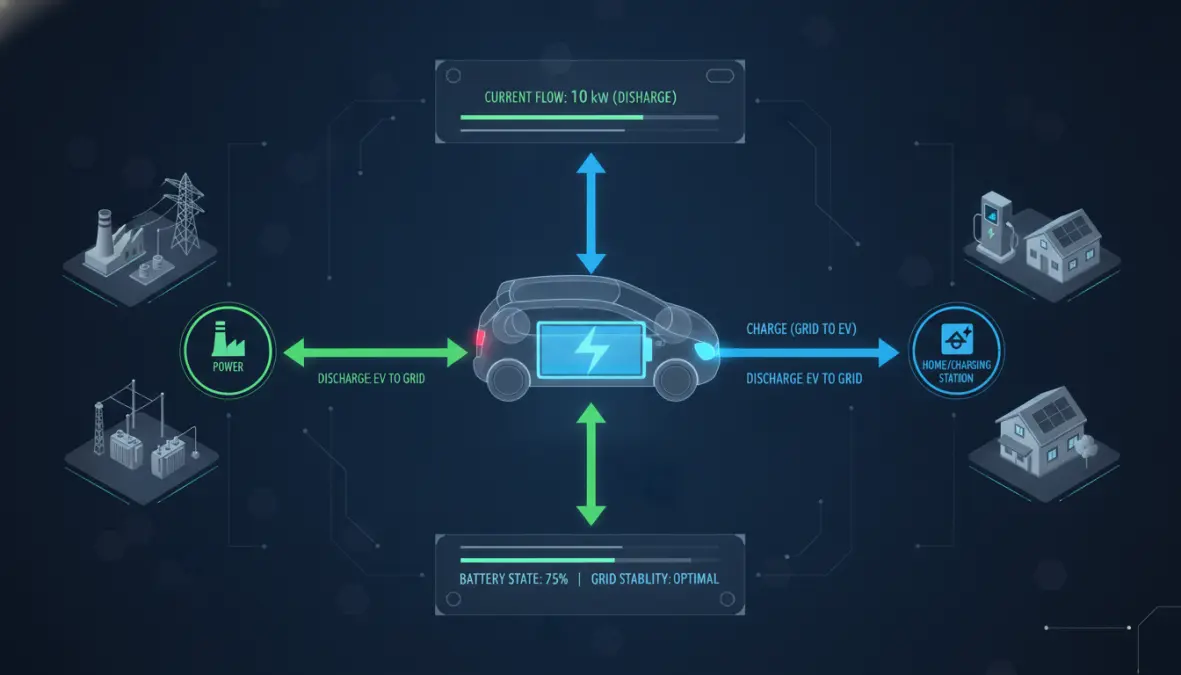
At its core, V2G technology flips the traditional charging model on its head. Instead of electricity flowing just one way—from the grid to your car—bidirectional charging allows power to move in both directions. Your EV doesn’t just consume energy; it becomes part of the grid’s EV energy storage ecosystem.
So how does vehicle to grid technology work exactly? The magic happens through a few key components. First, you need a bidirectional charger capable of managing power flow control in both directions. This specialized equipment communicates with both your vehicle and the power grid, determining when to charge your battery and when to send electricity back. Second, you need a smart grid connection that can coordinate with thousands of other energy sources and consumers in real-time.
The process is surprisingly elegant. When electricity demand is low (like at 2 AM), your car charges at cheaper rates. During peak demand hours—say, when everyone gets home and cranks up the air conditioning—your vehicle can discharge some of its stored energy back to the grid, earning you money in the process. You’re essentially performing energy arbitrage from your garage.
A related concept is vehicle to home (V2H), which works on the same principle but keeps the power local. Instead of feeding the broader grid, V2H systems can power your house during outages or expensive peak hours, similar to how microgrids create localized energy resilience.
Benefits and Applications of V2G Technology
The advantages of smart grid integration with electric vehicles extend far beyond individual cost savings. For the electrical grid itself, V2G offers powerful solutions to some of our biggest infrastructure challenges:
- Grid stabilization: EV batteries act as distributed energy resources that can instantly respond to frequency fluctuations, helping maintain the delicate balance between electricity supply and demand
- Peak demand management: By discharging during high-demand periods, V2G-enabled vehicles reduce strain on power plants and avoid the need for expensive peaker plants that only run a few hours per day
- Frequency regulation: The grid operates at a specific frequency (60 Hz in North America), and V2G systems can provide ancillary services that keep it stable
- Renewable energy integration: Solar and wind power are intermittent, but EV batteries can store excess renewable generation and release it when the sun isn’t shining or wind isn’t blowing
For EV owners, the benefits of V2G for electric vehicle owners include tangible financial rewards. Utility companies and grid operators will pay for the services your battery provides—whether that’s load balancing during peak hours or participating in demand response programs. Early adopters in some regions report earning hundreds of dollars annually just by plugging in their car.
The environmental benefits compound, too. By facilitating greater renewable energy integration, V2G technology accelerates our transition away from fossil fuels. Every megawatt-hour stored in EV batteries is one less megawatt-hour that needs to come from a gas-fired peaker plant.
Real-World Implementation and Current Projects
V2G isn’t just theoretical—it’s happening right now. In Denmark, the company Nuvve has partnered with utilities to create one of the world’s most advanced V2G ecosystems, with fleets of electric vehicles providing grid services. The UK is home to multiple pilot programs testing V2G compatible electric vehicles from manufacturers like Nissan, whose Leaf model was among the first mass-market EVs to support bidirectional charging.
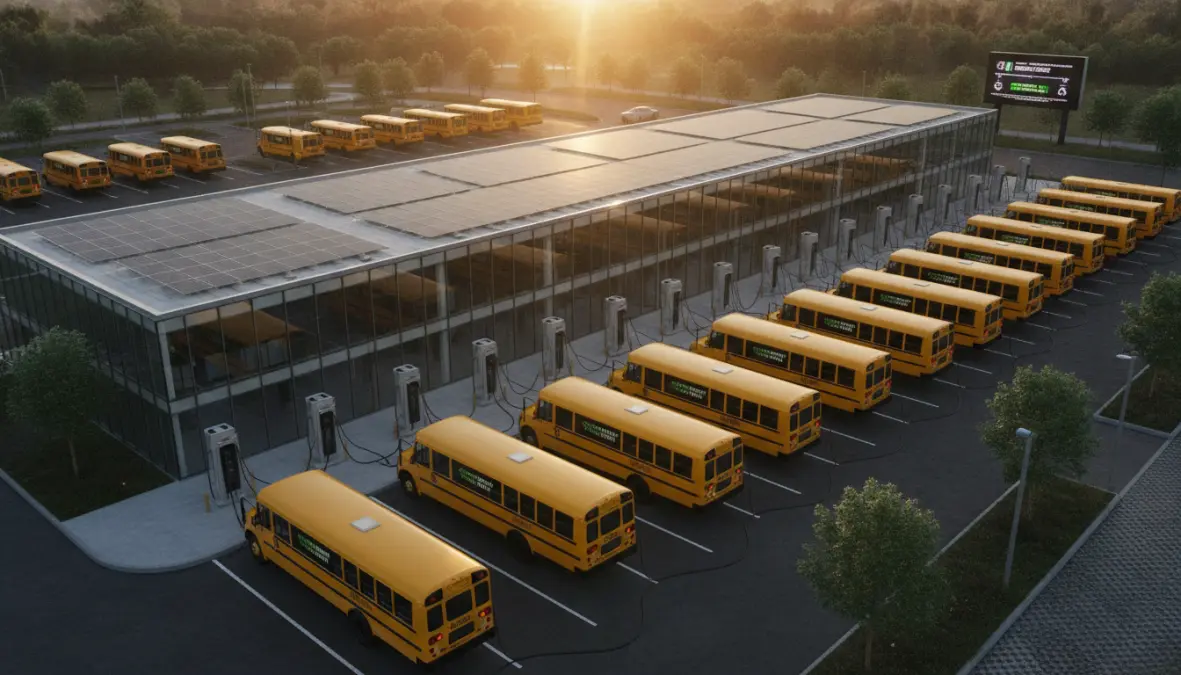
School districts in the United States are deploying electric bus fleets that serve dual purposes: transporting students during the day and stabilizing the grid during evening peak hours. These buses have massive batteries (often 200+ kWh) that make them ideal for grid support applications. One California school district reported significant revenue from allowing their idle buses to participate in the state’s energy market.
Japanese automakers have been particularly aggressive in V2G and V2H deployment, partly driven by concerns about grid resilience after natural disasters. Mitsubishi’s Outlander PHEV can power an entire home for days during an outage—a feature that proved invaluable during typhoon-related blackouts.
Challenges and Future Outlook for Vehicle-to-Grid Systems
Despite the promise, V2G technology faces real hurdles. The elephant in the room is battery degradation. Every charging cycle wears down lithium-ion batteries slightly, and owners worry that frequent bidirectional charging will shorten their expensive battery’s lifespan. Research suggests the impact is minimal with proper management, but the perception remains a barrier. Advances in solid-state battery technology may eventually make this concern obsolete.
Then there’s the infrastructure question. Vehicle to grid charging infrastructure requires significant investment. Bidirectional chargers cost considerably more than standard units, and not all EVs support the necessary protocols. Standardization remains fragmented, with competing standards like CHAdeMO, CCS, and proprietary systems creating compatibility headaches.
Regulatory frameworks haven’t kept pace with the technology either. In many regions, utilities face regulatory barriers to purchasing electricity from vehicle owners, or the compensation mechanisms are poorly defined. Building a robust vehicle to grid energy management system requires utilities, automakers, charging companies, and regulators to align—no small feat.
Cost savings with vehicle to grid technology depend heavily on local electricity rates and incentive programs, which vary dramatically by region. Without supportive policies, the financial case for individual owners can be weak.
Yet the future looks increasingly bright. As EV adoption accelerates, the collective storage capacity of vehicle batteries will dwarf traditional grid storage solutions. Millions of EVs, each with 50-100 kWh of capacity, represent an enormous distributed energy resource. Advanced vehicle to grid energy management systems, leveraging edge computing for real-time optimization, will make participation seamless.
The future of V2G and renewable energy are inextricably linked. As we build out green hydrogen infrastructure and expand solar and wind capacity, V2G will become essential infrastructure rather than a novel feature. The transition from gasoline to electric is about more than cleaner cars—it’s about reimagining our entire energy ecosystem.
Your next electric vehicle might not just get you to work. It might help power your neighborhood, stabilize the grid during a heat wave, and accelerate the renewable energy transition. Not bad for something that spends 95% of its time parked, right?