The Rise of Sleep Tourism: How Hotels Are Designing Stays Around Rest and Recovery
Ever feel like you need a vacation just to recover from your vacation? You’re not alone. While most travelers chase adventure, exotic destinations, and packed itineraries, a growing number are seeking something completely different: the chance to simply sleep well. Welcome to the world of sleep tourism—a rapidly expanding niche where the main attraction isn’t a museum or beach, but a perfectly optimized bed and a pitch-black room designed to help you catch up on years of lost rest.
What Is Sleep Tourism and Why Is It Booming?
Sleep tourism represents a fundamental shift in how we think about travel. Instead of cramming activities into every waking hour, this emerging sector of wellness tourism centers entirely around restorative travel—trips specifically designed to help guests recover from chronic fatigue and improve their sleep quality. The concept might sound indulgent, but the numbers tell a sobering story: according to various health organizations, roughly one-third of adults globally suffer from sleep deprivation, with many getting fewer than the recommended seven to nine hours nightly.
The COVID-19 pandemic accelerated this trend dramatically. Post-pandemic burnout left millions struggling with disrupted sleep patterns, anxiety, and exhaustion. Suddenly, the idea of paying for a vacation focused on rest rather than stimulation didn’t seem so strange. Industry analysts have observed double-digit growth in wellness tourism bookings, with sleep-specific packages becoming particularly popular among burned-out professionals and health-conscious travelers. This shift mirrors broader movements like slow travel, where quality of experience trumps quantity of activities.
What makes sleep tourism different from simply booking a quiet hotel? It’s the intentional, science-backed approach to every aspect of the guest experience, from mattress selection to meal timing, all calibrated to support your body’s natural sleep-wake cycle.
How Sleep Hotels and Retreats Are Redefining the Guest Experience
Sleep hotels and sleep retreats aren’t just quiet places to crash—they’re meticulously engineered environments where every detail supports better rest. These sleep-focused accommodations represent a new category of sleep hospitality that goes far beyond thread count and pillow menus. The best rest and recovery hotels combine cutting-edge sleep science with luxury amenities to create truly transformative experiences.
Specialized Sleep Amenities and Room Design
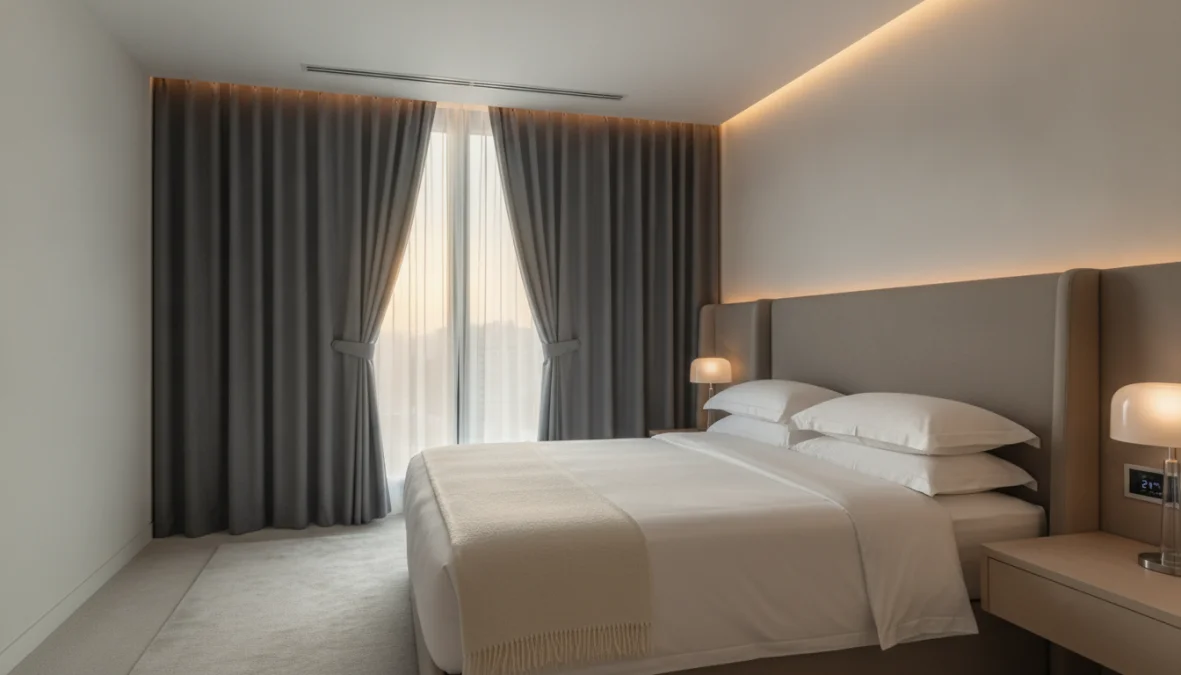
Walk into a sleep-optimized hotel room and you’ll immediately notice the differences. Blackout curtains aren’t just thick—they’re designed to eliminate even the smallest light leak, supporting proper melatonin regulation. Temperature controls maintain the optimal 60-67°F range proven to facilitate deep sleep, while advanced HVAC systems regulate humidity levels.
Mattress quality receives scientific scrutiny, with properties investing in beds tested by sleep researchers rather than simply choosing luxury brands. Some hotels designed for better sleep offer customizable firmness settings or multiple pillow options tailored to different sleep positions. Soundproofing goes beyond standard insulation, incorporating acoustic panels and white noise systems to mask disruptive sounds.
Sleep technology plays an increasingly prominent role. Some rooms feature circadian lighting systems—similar to innovations discussed in our article on circadian lighting benefits—that gradually shift color temperature throughout the day to support your natural circadian rhythm. Sleep-tracking monitors provide guests with detailed reports about their sleep quality, while aromatherapy diffusers release lavender or chamomile at programmed intervals.

Sleep-Enhancing Programs and Services
Beyond the physical room, hotels with sleep concierge services offer comprehensive programs designed to address individual sleep challenges. A sleep concierge might conduct a pre-arrival consultation to understand your specific issues—whether it’s jet lag, insomnia, or simply catching up on rest—then customize your stay accordingly.
Many properties offer specialized sleep menus featuring foods rich in tryptophan, magnesium, and other nutrients that support melatonin regulation. Evening herbal tea services, tart cherry juice (a natural melatonin source), and carefully timed meals help prepare your body for rest. Pre-sleep rituals might include guided meditation sessions, yoga nidra classes, or sound therapy using binaural beats calibrated to induce relaxation.
Forward-thinking establishments provide consultations with sleep experts who can address underlying issues affecting sleep hygiene. Some luxury sleep retreat packages include multi-day programs that gradually adjust your circadian rhythm, particularly beneficial for travelers crossing time zones—an especially relevant consideration for digital nomads constantly on the move. Flexible checkout times remove the stress of early wake-ups, allowing natural sleep cycles to complete undisturbed.
Leading Sleep Hotels and Retreats Around the World
Several pioneering properties have established themselves as sleep tourism destinations around the world, setting new standards for rest and recovery hotels. Park Hyatt New York offers the “Bryte Restorative Sleep Suite,” featuring AI-powered beds that adjust throughout the night based on your movements and sleep stages, representing the pinnacle of sleep technology integration.
Zedwell London takes a minimalist approach, removing televisions and excess stimulation from rooms entirely. Their concept centers on eliminating distractions, with soundproofed “cocoon” rooms designed solely for sleep. The stark simplicity might seem extreme, but guests report remarkably restorative experiences.
Six Senses properties across multiple continents have integrated comprehensive sleep programs into their wellness offerings, combining traditional practices with modern science. Their Sleep Doctor consultations analyze everything from bedroom environment to lifestyle factors, providing personalized recommendations guests can implement at home.
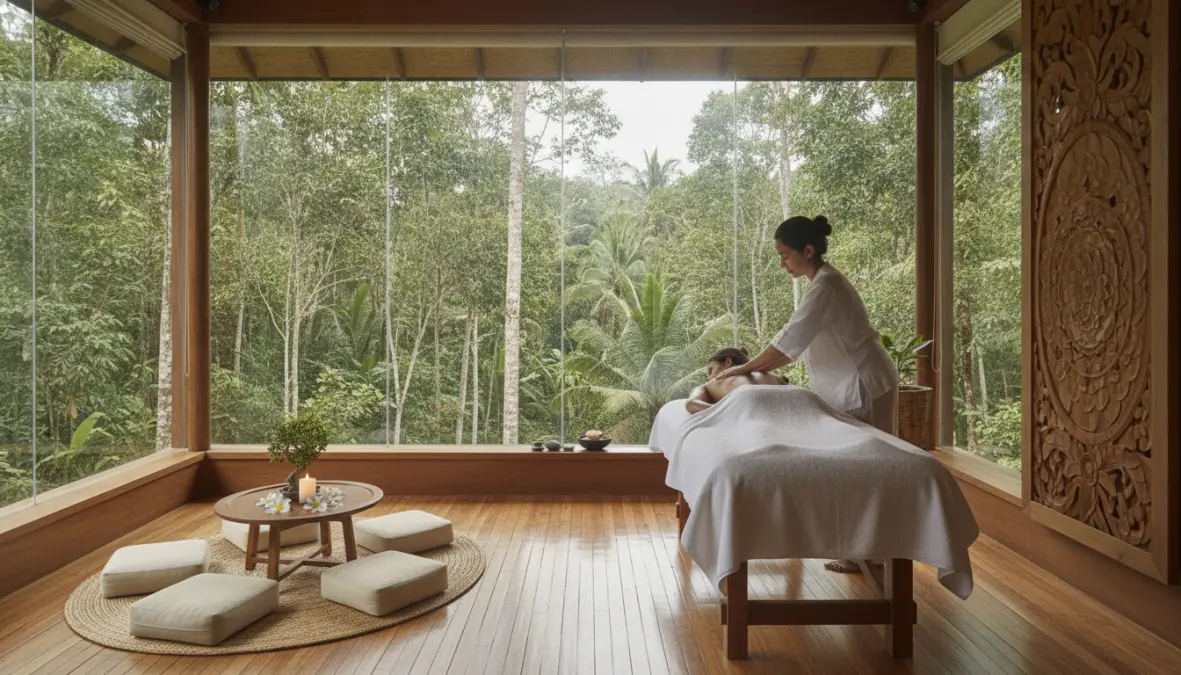
COMO Shambhala Estate in Bali represents the intersection of sleep retreats and holistic wellness, offering multi-day programs that combine sleep optimization with nutrition, movement, and mindfulness practices. The setting itself—surrounded by jungle and flowing water—creates an environment naturally conducive to rest, echoing principles found in forest bathing therapy.
Several Scandinavian properties have pioneered sleep-focused stays, leveraging the region’s expertise in wellness and design. Swedish hotels have introduced “sleep enhancement weeks” during darker winter months, addressing seasonal sleep challenges with specialized lighting, vitamin D supplementation, and adjusted meal timing to support healthy circadian rhythm patterns.
FAQ: Common Questions About Sleep Tourism
How much does sleep tourism cost?
Sleep-focused accommodations range widely in price. Basic sleep-optimized rooms at chains like Zedwell start around $100-150 per night, while luxury sleep retreat packages at properties like COMO Shambhala can exceed $500-1,000 nightly, especially for multi-day programs with consultations and treatments. Most best hotels for sleep and recovery fall in the $200-400 range, positioning themselves as wellness investments rather than standard lodging.
Who benefits most from sleep tourism?
Anyone suffering from chronic sleep deprivation can benefit, but the typical guest includes burned-out professionals, shift workers trying to reset their circadian rhythm, frequent travelers dealing with jet lag, and individuals with mild to moderate insomnia. Those with serious sleep disorders should consult medical professionals, though many sleep hotels work alongside sleep specialists to support clinical treatment plans.
How do I choose the right sleep hotel?
Consider what aspect of sleep you’re targeting. For sleep technology enthusiasts, properties with AI beds and tracking systems might appeal. If you prefer holistic approaches, sleep retreats emphasizing meditation and natural therapies work better. Research how hotels promote better sleep through their specific amenities—some focus on physical environment, others on programming and services. Reading reviews from guests with similar sleep challenges helps identify the best fit.
How long should a sleep tourism stay last?
While even one night in a sleep-optimized hotel room can provide noticeable rest, most experts recommend minimum three-night stays for meaningful impact on sleep quality. This allows your body to adjust to the new environment and establish a rhythm. Week-long programs at dedicated sleep retreats offer the most comprehensive results, particularly for addressing entrenched sleep issues or completely resetting your circadian rhythm. Understanding your own chronotype can help optimize timing and duration.
Does sleep tourism create lasting improvements?
The best rest and recovery hotels don’t just offer temporary refuge—they educate guests about sustainable sleep hygiene practices to maintain at home. Many provide take-home resources, follow-up consultations, and recommendations for replicating key environmental factors. While you can’t transport the entire experience home, learning proper sleep practices, understanding your needs, and experiencing what quality rest feels like creates a blueprint for long-term improvement. Think of it as a reset button that, combined with ongoing lifestyle changes, can produce lasting benefits.
As our always-on culture continues to erode natural rest patterns, sleep tourism offers more than just a trendy escape—it represents a necessary correction. Whether you’re desperately sleep-deprived or simply curious about optimizing rest, these specialized properties demonstrate that sometimes the most productive thing you can do on vacation is absolutely nothing at all. Sweet dreams.